Precision CNC Components | High-Quality Parts

precision cnc components

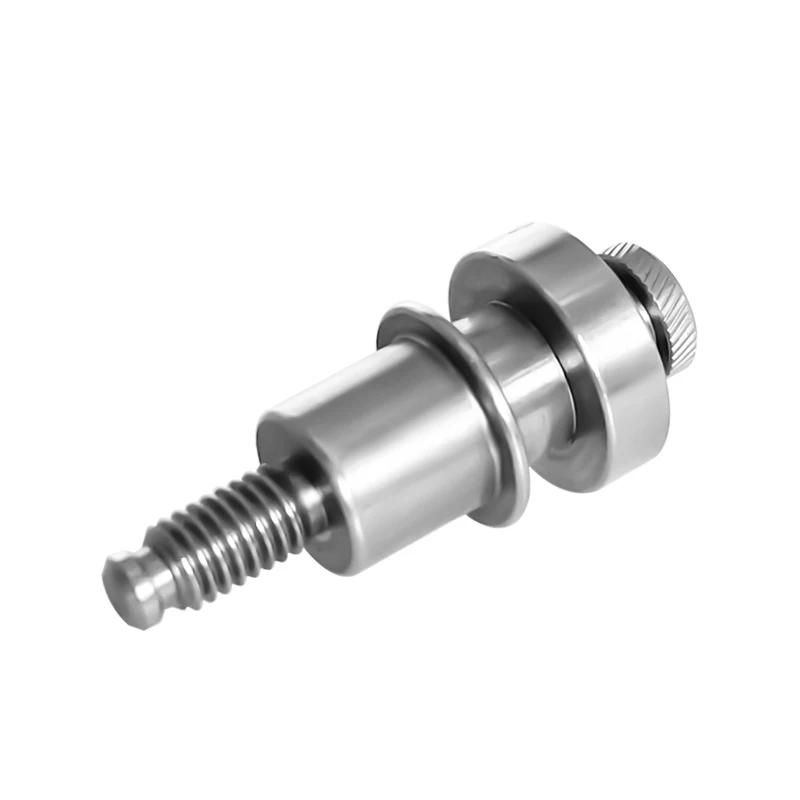
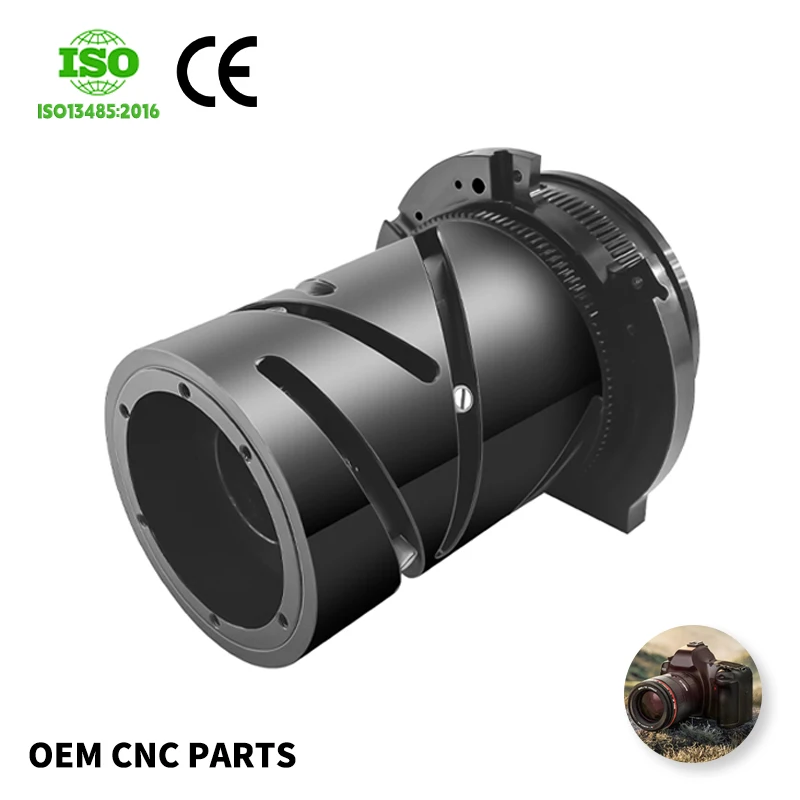
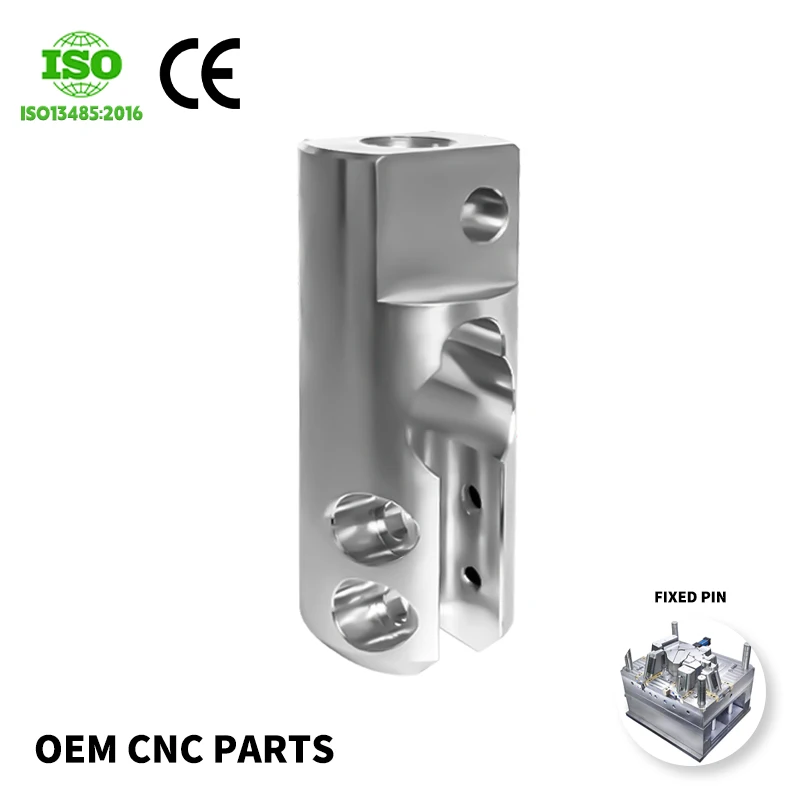
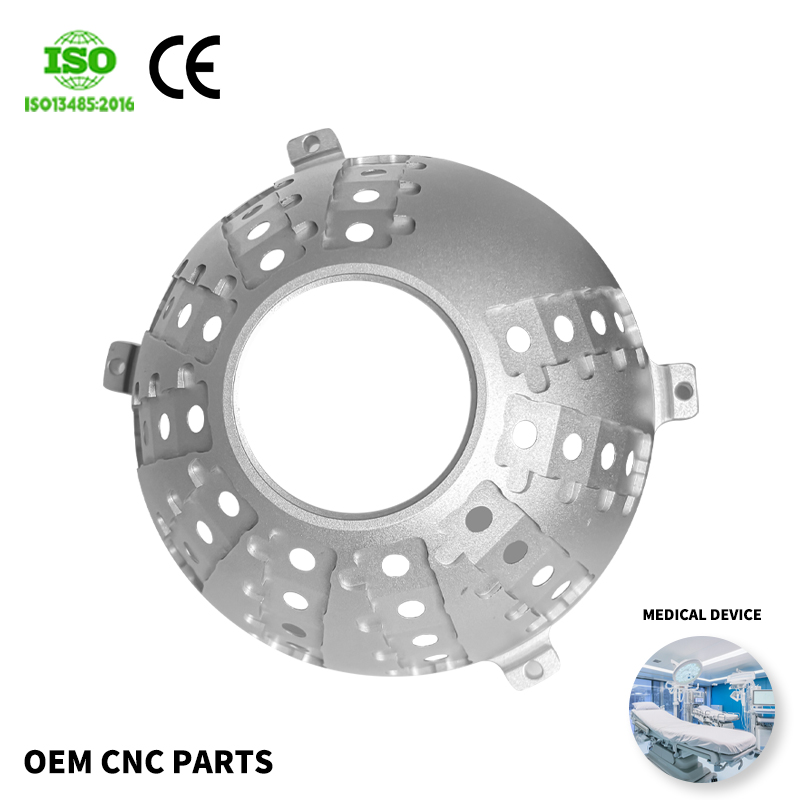
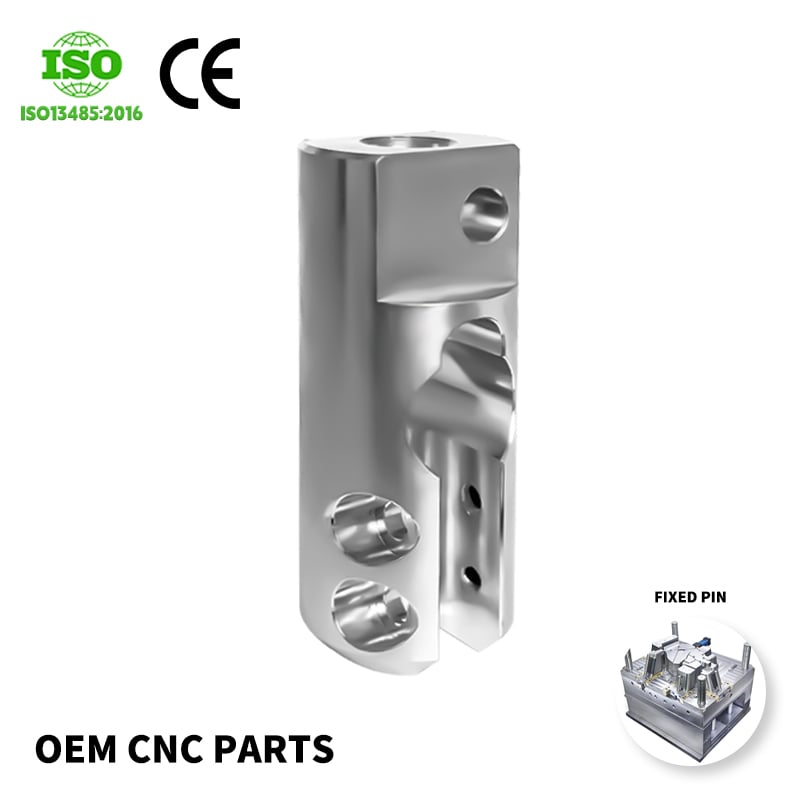
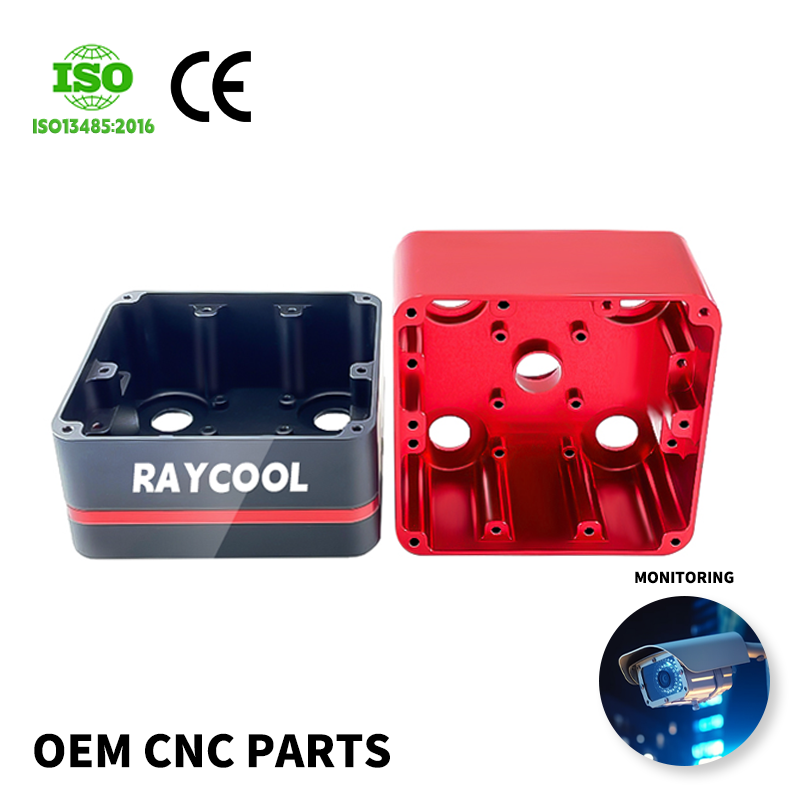
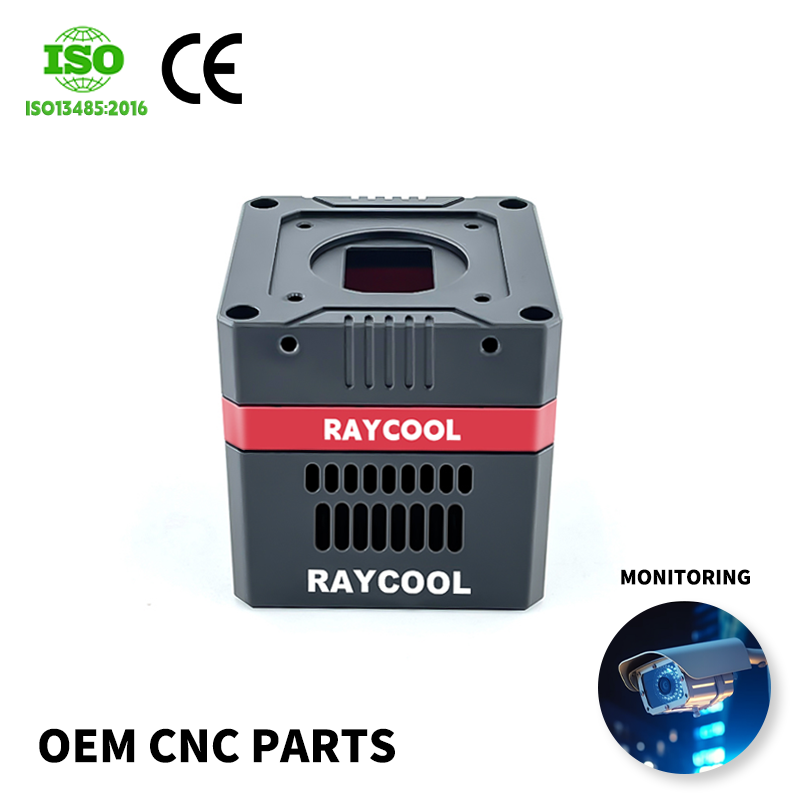
Precision CNC components are highly accurate machined parts manufactured using Computer Numerical Control technology to meet exacting specifications across diverse industries. These components are produced through automated machining processes that remove material from solid blocks of metal, plastic, or composite materials with exceptional accuracy, typically achieving tolerances as tight as 0.001 inches or better. The main function of precision CNC components is to provide reliable, dimensionally accurate parts that fit seamlessly into complex assemblies, ensuring optimal performance in critical applications. Technologically, precision CNC components benefit from advanced multi-axis machining capabilities, automated tool changing systems, and sophisticated CAD/CAM programming that translates digital designs into physical parts with minimal human intervention. Modern CNC manufacturing employs real-time monitoring systems, precision measuring instruments, and quality control protocols to maintain consistency across production runs. These components find applications in aerospace engineering, medical device manufacturing, automotive systems, electronics, defense equipment, robotics, and industrial machinery. From surgical instruments requiring biocompatible materials to aerospace brackets demanding lightweight strength, precision CNC components serve as foundational elements in products where failure is not an option. The versatility of CNC machining allows manufacturers to work with various materials including aluminum, stainless steel, titanium, brass, engineering plastics, and exotic alloys, making precision CNC components adaptable to virtually any technical requirement or environmental condition.

Popular Products

Choosing precision CNC components delivers substantial practical benefits that directly impact your bottom line and operational efficiency. First, you gain exceptional dimensional accuracy that eliminates costly fitting problems and assembly delays, meaning your products work correctly the first time without expensive rework or adjustments. The repeatability of CNC manufacturing ensures every precision CNC component matches specifications exactly, whether you order ten pieces or ten thousand, providing consistency that manual machining simply cannot achieve. This reliability reduces waste, lowers rejection rates, and builds customer confidence in your final products. From an operational perspective, precision CNC components accelerate your production timeline because they arrive ready to install with minimal finishing work required. The tight tolerances and smooth surface finishes produced by CNC machining often eliminate secondary operations like grinding or polishing, saving labor costs and reducing time-to-market. You also benefit from design flexibility, as CNC technology handles complex geometries and intricate features that would be impossible or prohibitively expensive with conventional methods. This capability allows engineers to optimize designs for performance rather than manufacturing limitations. Material efficiency represents another significant advantage, as precision CNC components are machined with optimized tool paths that minimize waste and reduce raw material costs. The durability and longevity of properly machined precision CNC components mean fewer replacements and lower maintenance expenses over the product lifecycle. Whether you need prototypes for testing or full production runs, precision CNC components offer scalability that adapts to your business growth without compromising quality standards or requiring new manufacturing infrastructure.

Tips And Tricks

Future Trends in CNC Machining Precision Parts: What to Expect

26

Nov

Future Trends in CNC Machining Precision Parts: What to Expect

Global CNC Machining Market Growth and Projections Current Valuation and Forecasted Expansion (2023-2030) The global CNC machining market is projected to undergo significant growth, building upon its current valuation of approximately $55.1 billion ...
View More
How to Machine Aluminum Alloys for High-Precision Industrial Parts

05

Dec

How to Machine Aluminum Alloys for High-Precision Industrial Parts

Aluminum alloy machining has become an essential process in modern manufacturing, particularly for industries requiring lightweight yet durable components. The unique properties of aluminum alloys make them ideal for applications ranging from aerospa...
View More
Best Practices for Machining Titanium Alloy Components in Precision Manufacturing

05

Dec

Best Practices for Machining Titanium Alloy Components in Precision Manufacturing

Titanium alloys have become indispensable materials in precision manufacturing, particularly in aerospace, medical, and automotive industries where exceptional strength-to-weight ratios and corrosion resistance are paramount. The unique properties of...
View More
Key Considerations When Sourcing Anodized Parts from Manufacturers?

06

Feb

Key Considerations When Sourcing Anodized Parts from Manufacturers?

Manufacturing industries increasingly rely on anodized components to enhance product durability, aesthetic appeal, and corrosion resistance. The anodizing process creates a protective oxide layer on aluminum surfaces, making these parts essential for...
View More

Get a Free Quote

Our representative will contact you soon.
Email
Name
Company Name
Message
0/1000

precision cnc components

Unmatched Accuracy and Consistency

Unmatched Accuracy and Consistency

The defining characteristic of precision CNC components lies in their extraordinary dimensional accuracy and batch-to-batch consistency that conventional manufacturing methods cannot replicate. Advanced CNC machining centers utilize servo-controlled axes, linear encoders, and thermal compensation systems to maintain positioning accuracy within microns throughout extended production runs. This level of precision ensures that every precision CNC component meets exact specifications regardless of complexity or quantity ordered. For engineers and product designers, this consistency eliminates the variability that causes assembly problems, performance issues, and field failures. You can design products with tight-fitting parts knowing they will assemble smoothly every time. Quality control becomes simpler and more predictable because statistical process control confirms that precision CNC components remain within specification limits automatically. This reliability proves particularly valuable in regulated industries like medical devices and aerospace where documentation and traceability requirements demand proven dimensional conformity. The investment in precision CNC components pays dividends through reduced inspection time, lower scrap rates, and enhanced product reputation in markets where quality differentiation matters most to discriminating customers.
Versatile Material and Design Capabilities

Versatile Material and Design Capabilities

Precision CNC components offer unparalleled versatility in both material selection and geometric complexity, enabling engineers to specify exactly the right combination of properties for each application. CNC machining centers process metals ranging from soft aluminum alloys to hardened tool steels, exotic superalloys like Inconel and Hastelloy, engineering plastics including PEEK and Delrin, and composite materials with specialized characteristics. This material flexibility means you can optimize precision CNC components for specific performance requirements such as corrosion resistance, thermal conductivity, electrical insulation, weight reduction, or biocompatibility without changing manufacturing processes. Equally important, CNC technology handles complex three-dimensional geometries, undercuts, internal cavities, and intricate surface details that challenge or defeat traditional machining methods. Multi-axis machining centers rotate workpieces and cutting tools simultaneously, creating compound angles and organic shapes in single setups that maintain positional relationships accurately. This geometric freedom allows designers to consolidate multiple parts into single precision CNC components, reducing assembly operations, eliminating potential leak paths, and improving structural integrity. The ability to prototype complex designs quickly and then scale to production quantities without tooling changes accelerates innovation cycles and reduces development risks substantially.
Cost-Effective Production Scalability

Cost-Effective Production Scalability

Precision CNC components deliver exceptional economic value through scalable production capabilities that serve both prototype development and high-volume manufacturing without compromising quality or requiring significant capital investment changes. Unlike forming processes that demand expensive dedicated tooling, CNC machining uses programmable operations that adapt to different designs simply by loading new code, making small batch production economically viable. This flexibility proves invaluable during product development phases when designs evolve rapidly and tooling commitments would be premature and wasteful. As demand grows, precision CNC components scale smoothly to larger production volumes by optimizing cycle times, implementing multi-cavity fixturing, and scheduling lights-out machining that maximizes equipment utilization. The absence of minimum order quantities or tooling amortization requirements means you pay only for the parts you need when you need them, improving cash flow and reducing inventory carrying costs. Automated operation of CNC equipment also minimizes labor content per part, stabilizing costs even as wage rates fluctuate. For businesses managing multiple product lines or serving diverse markets, precision CNC components provide manufacturing agility that responds quickly to changing demand without the lead times and commitments associated with alternative production methods.

Get a Free Quote

Our representative will contact you soon.
Email
Name
Company Name
Message
0/1000

Copyright © 2026 China Shanghai Raycool Industrial Co., Ltd. All rights reserved  -  Privacy policy