Precision Machining Components | High Accuracy Parts

precision machining components

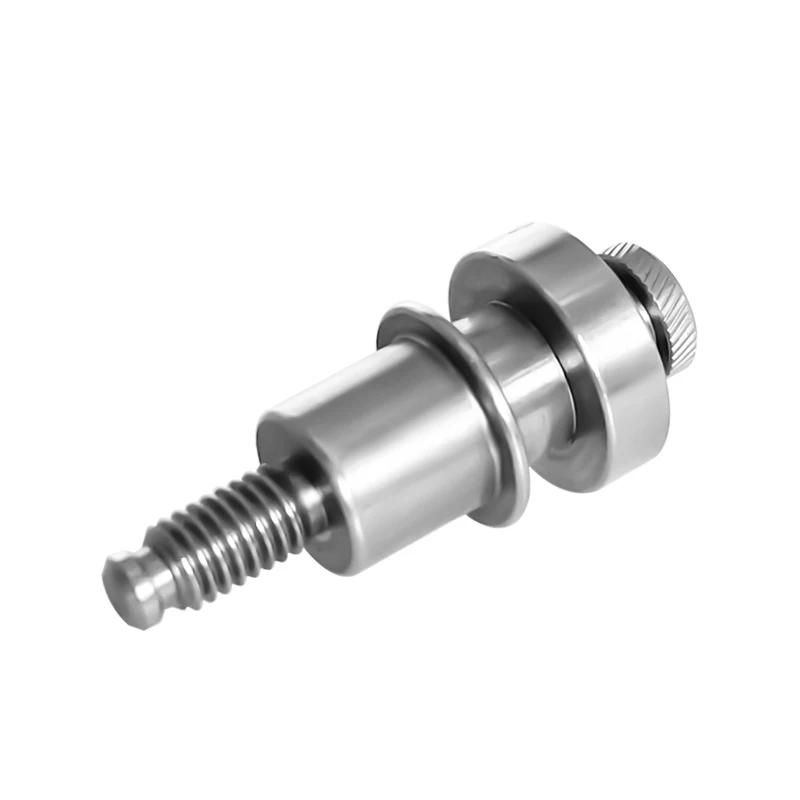
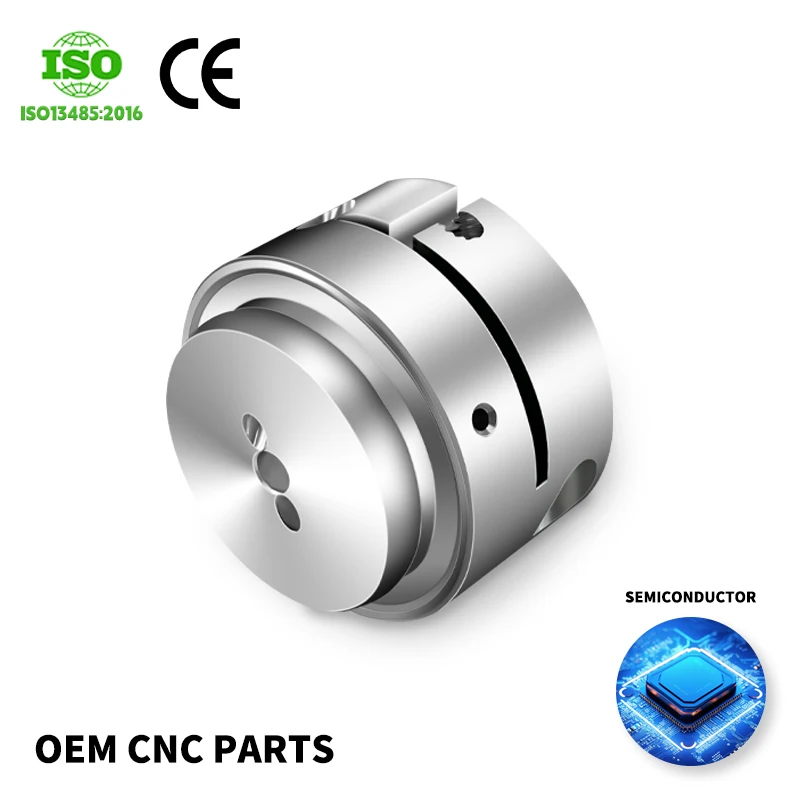
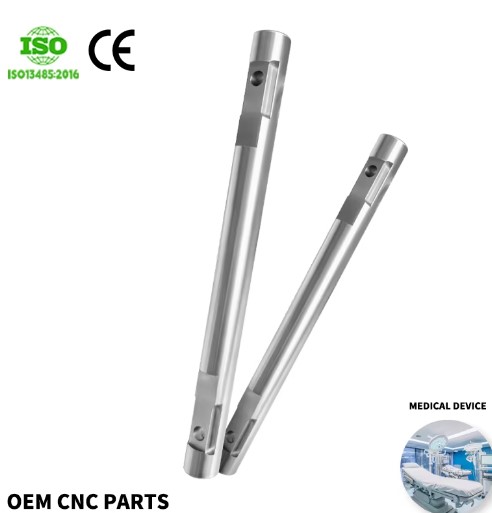
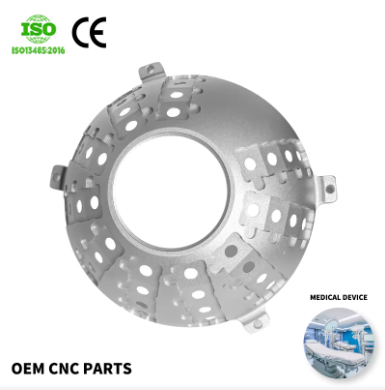
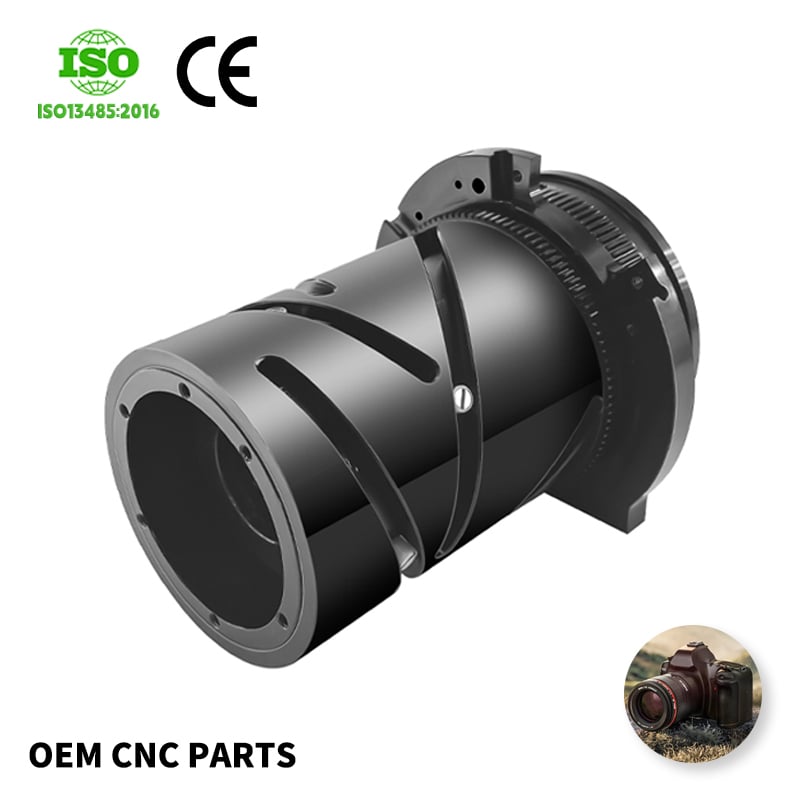
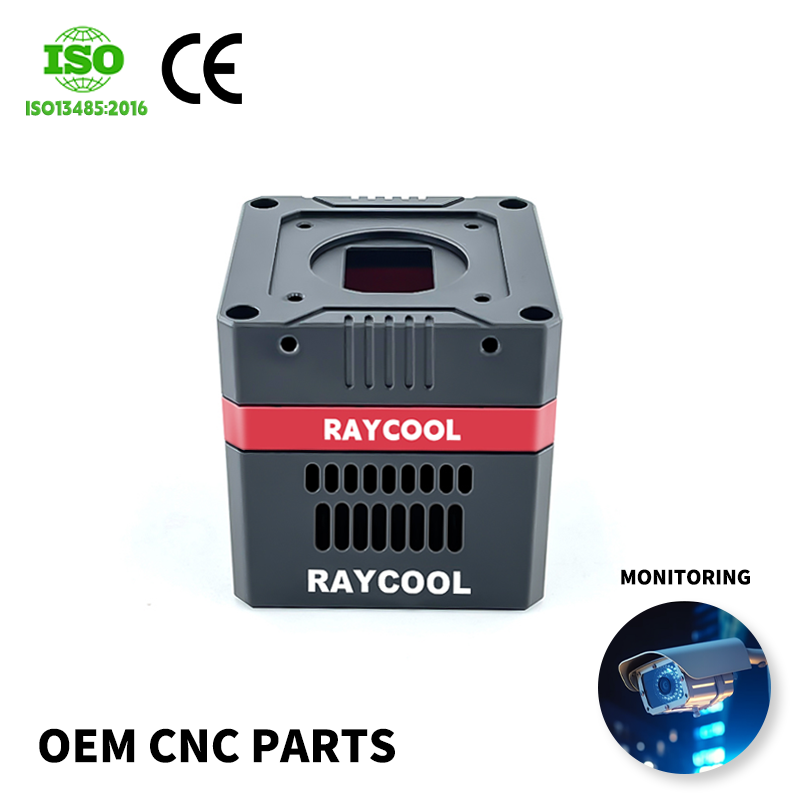
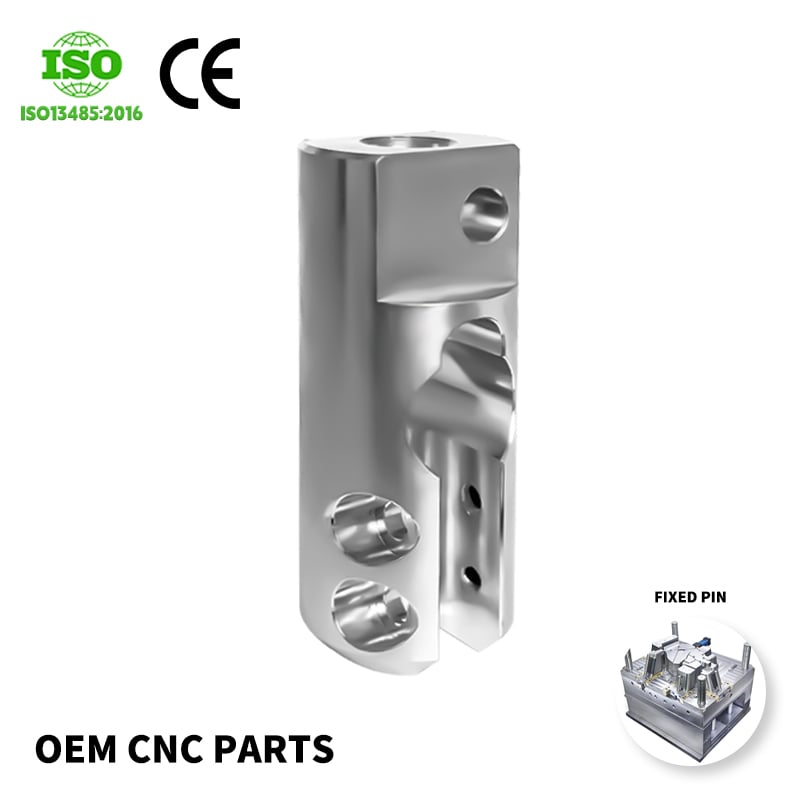
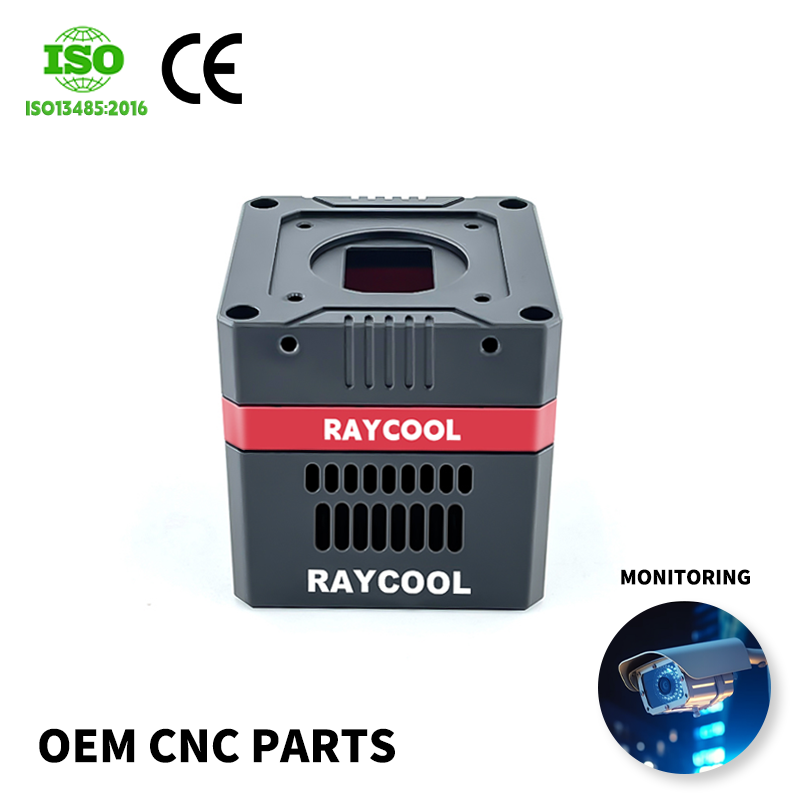
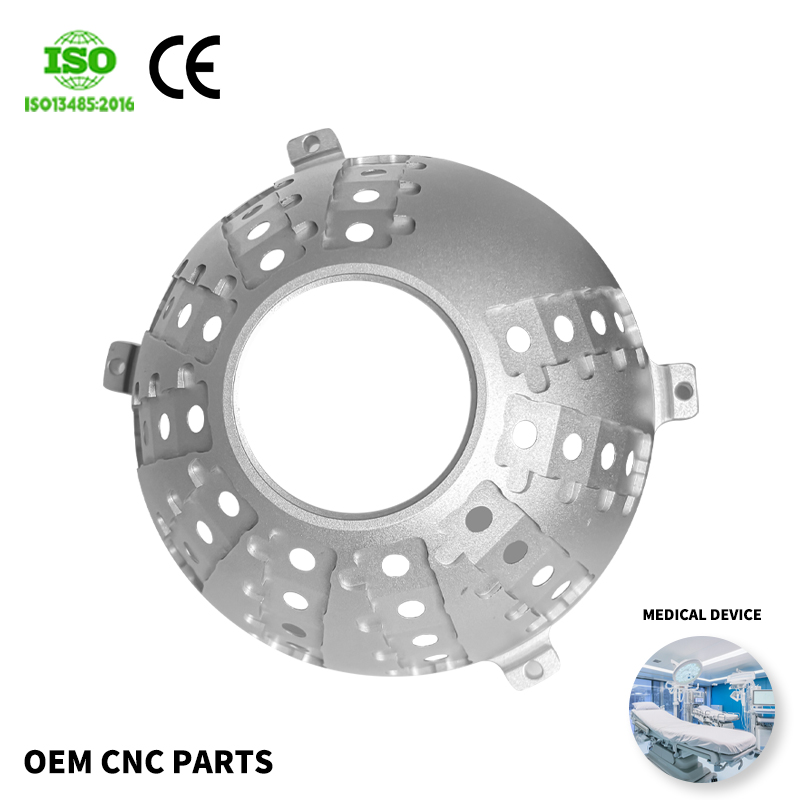
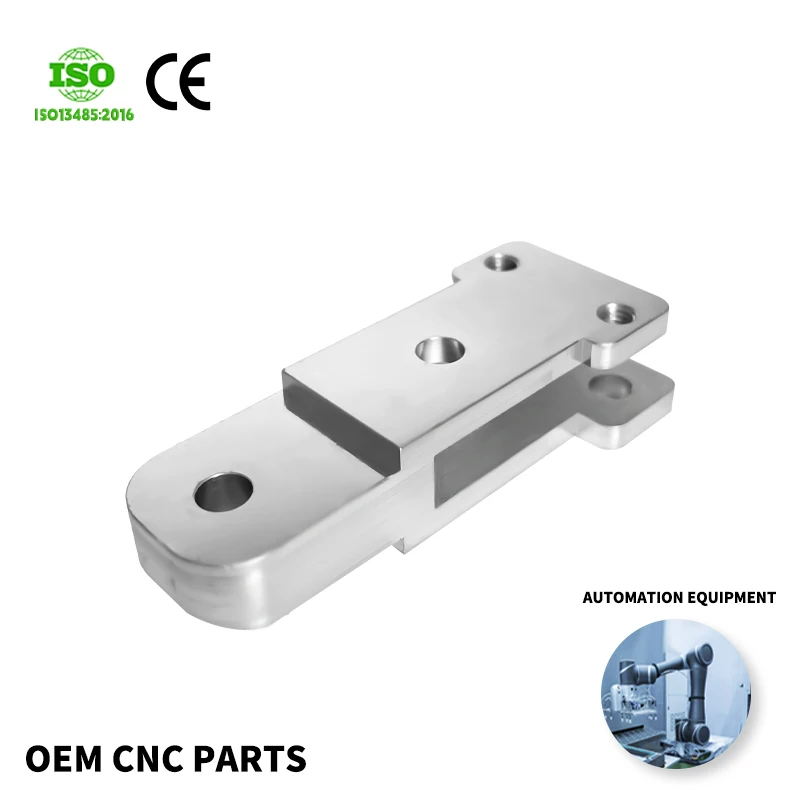
Precision machining components are engineered parts manufactured through advanced cutting, milling, turning, and grinding processes to achieve tight tolerances and superior surface finishes. These components serve as critical building blocks in mechanical assemblies across numerous industries, where dimensional accuracy and consistency directly impact product performance and reliability. The main function of precision machining components is to enable seamless integration within complex systems, ensuring smooth operation, reduced wear, and extended service life. Technological features include multi-axis CNC machining capabilities, micron-level accuracy, surface roughness control, and material versatility ranging from aluminum and stainless steel to titanium and specialized alloys. These components undergo rigorous quality control measures, including coordinate measuring machine inspection and surface analysis, to verify conformance to exact specifications. Applications span aerospace assemblies requiring lightweight yet durable parts, medical device manufacturing demanding biocompatible materials and sterile production environments, automotive systems needing high-volume consistency, industrial automation equipment, semiconductor fabrication tools, and defense applications where failure is not an option. Precision machining components also find extensive use in robotics, optical instruments, telecommunications hardware, and energy sector equipment. The manufacturing process combines computer-aided design with state-of-the-art machining centers, enabling the production of complex geometries, intricate internal features, and tight-fitting assemblies that traditional manufacturing methods cannot achieve. This technological sophistication ensures that precision machining components meet the demanding requirements of modern engineering applications while maintaining cost-effectiveness through optimized production workflows and minimal material waste.

New Product Recommendations

Investing in precision machining components delivers substantial value through enhanced product performance and operational efficiency. The tight tolerances achieved during manufacturing eliminate fit issues and reduce assembly time, translating to lower labor costs and faster production cycles for your operations. These components ensure consistent quality across production runs, minimizing defects and reducing costly rework or warranty claims that can damage your reputation and bottom line. The superior surface finishes characteristic of precision machining components reduce friction between moving parts, leading to decreased energy consumption, quieter operation, and significantly extended equipment lifespan. This durability means fewer replacement parts and reduced maintenance schedules, allowing your team to focus on productive activities rather than constant repairs. Material versatility provides flexibility to select the optimal substrate for your specific application, whether you need corrosion resistance for marine environments, temperature stability for aerospace use, or biocompatibility for medical devices. The accuracy of precision machining components enables tighter assemblies and improved seals, which is particularly valuable in hydraulic systems, vacuum equipment, and pressure vessels where leakage can cause safety hazards or performance degradation. Scalability represents another key advantage, as the same digital specifications can produce identical components whether you need prototype quantities or full production volumes, ensuring consistency from development through mass manufacturing. Advanced machining techniques also enable complex geometries that reduce part counts by integrating multiple functions into single components, simplifying your supply chain and inventory management. The dimensional stability of precision machining components ensures reliable performance across temperature variations and mechanical stress, making them suitable for demanding environments. Quality documentation and traceability provide peace of mind for regulated industries, supporting compliance requirements and facilitating audits while demonstrating your commitment to excellence.

Practical Tips

Future Trends in Custom CNC Machining: What to Expect

26

Nov

Future Trends in Custom CNC Machining: What to Expect

AI and Machine Learning Revolutionizing Custom CNC Machining Adaptive Machining Processes for Custom CNC Parts AI is playing a pivotal role in revolutionizing custom CNC machining through adaptive processes. By leveraging AI algorithms, CNC machines...
View More
Why 5-Axis CNC Machining Is Ideal for Complex Part Manufacturing

06

Jan

Why 5-Axis CNC Machining Is Ideal for Complex Part Manufacturing

Modern manufacturing demands precision, efficiency, and the ability to create intricate geometries that traditional machining methods simply cannot achieve. The evolution of computer numerical control technology has revolutionized how manufacturers a...
View More
5-Axis Machining Advantages for Complex Parts and Precision Manufacturing

06

Feb

5-Axis Machining Advantages for Complex Parts and Precision Manufacturing

Modern manufacturing demands have pushed the boundaries of traditional machining methods, leading to revolutionary advances in precision engineering. 5-Axis Machining has emerged as the gold standard for producing complex geometries and intricate com...
View More
How to Choose Anodized Materials for Industrial Applications?

06

Feb

How to Choose Anodized Materials for Industrial Applications?

Selecting the right anodized materials for industrial applications requires careful consideration of multiple factors that directly impact performance, durability, and cost-effectiveness. Anodized aluminum and other metals have revolutionized manufac...
View More

Get a Free Quote

Our representative will contact you soon.
Email
Name
Company Name
Message
0/1000

precision machining components

Micron-Level Dimensional Accuracy

Micron-Level Dimensional Accuracy

The defining characteristic of precision machining components is their exceptional dimensional accuracy, typically maintaining tolerances within plus or minus five microns or tighter depending on application requirements. This level of precision is achieved through computer numerical control technology that eliminates human error and ensures repeatability across thousands of parts. Such accuracy is critical for applications where even minor deviations can cause catastrophic failures, such as aerospace flight control mechanisms, medical surgical instruments, or semiconductor manufacturing equipment. The tight tolerances enable proper mating of components without excessive clearance that could lead to vibration, misalignment, or premature wear. Manufacturing facilities employ climate-controlled environments and use thermally stable materials to prevent dimensional changes during production and subsequent use. Advanced measurement systems verify every critical dimension, providing certified inspection reports that document compliance with your specifications. This accuracy reduces the need for manual fitting or adjustment during assembly, streamlining your production process and ensuring that components are truly interchangeable. The precision also enables optimal performance of sealing surfaces, bearing fits, and threaded connections, contributing to leak-free operation and secure fastening that withstands operational stresses over extended service periods.
Superior Surface Finish Quality

Superior Surface Finish Quality

Precision machining components feature exceptional surface finish quality, with roughness values often measured in microinches or nanometers, far surpassing conventional manufacturing methods. This smooth surface texture is achieved through precision grinding, lapping, or polishing operations that remove microscopic irregularities left by initial machining processes. Superior surface finishes deliver multiple practical benefits that directly enhance component performance and longevity. Smooth surfaces reduce friction coefficients between moving parts, minimizing heat generation and wear while improving mechanical efficiency and reducing energy consumption in rotating or sliding applications. The refined surface also provides better corrosion resistance by eliminating microscopic crevices where moisture and contaminants can accumulate and initiate degradation. For hydraulic and pneumatic systems, smooth bore finishes enable better sealing with O-rings and gaskets, preventing fluid leakage that compromises performance and creates safety hazards. In optical and medical applications, surface quality affects light transmission, biocompatibility, and ease of sterilization. The aesthetic appeal of finely finished precision machining components also enhances product presentation, particularly important for visible components in consumer products or high-end equipment. Manufacturing processes can be tailored to achieve specific surface characteristics, whether mirror-polished finishes for optical applications or controlled roughness patterns that promote lubrication retention in bearing surfaces.
Comprehensive Material Selection

Comprehensive Material Selection

Precision machining components can be manufactured from an extensive range of materials, each selected to match specific performance requirements, environmental conditions, and cost parameters of your application. Common materials include aluminum alloys offering excellent strength-to-weight ratios for aerospace and automotive applications, various stainless steel grades providing corrosion resistance for food processing and medical equipment, titanium alloys delivering exceptional strength and biocompatibility for implantable devices, brass and bronze for electrical conductivity and wear resistance, and engineering plastics like PEEK for chemical resistance and electrical insulation. Specialized materials such as Inconel withstand extreme temperatures in turbine applications, while tool steels provide hardness for cutting and forming operations. The machining process accommodates both standard and exotic materials, including composites and ceramics when application demands exceed what metals can provide. Material selection considers factors beyond basic mechanical properties, including thermal expansion coefficients for assemblies operating across temperature ranges, magnetic properties for electronic applications, and compliance with industry-specific regulations such as FDA requirements for medical components or RoHS directives for electronic assemblies. Expert material guidance ensures you specify the optimal substrate that balances performance requirements with cost considerations, avoiding over-engineering that inflates expenses or under-specification that compromises reliability. This flexibility in material selection makes precision machining components adaptable to virtually any engineering challenge across diverse industries.

Get a Free Quote

Our representative will contact you soon.
Email
Name
Company Name
Message
0/1000

Copyright © 2026 China Shanghai Raycool Industrial Co., Ltd. All rights reserved  -  Privacy policy