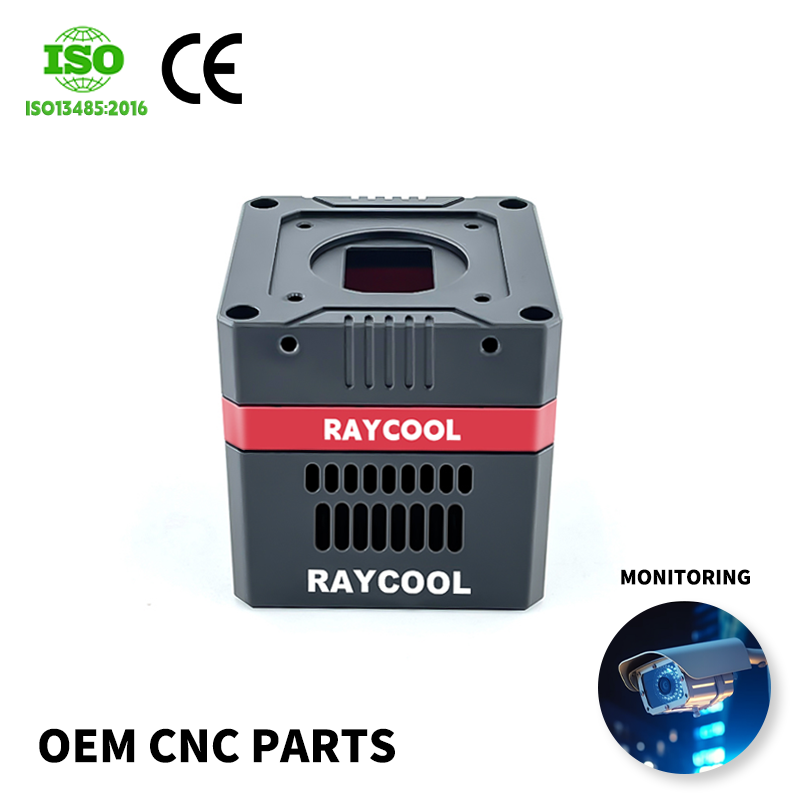
Material Diversity for Authentic Performance Testing
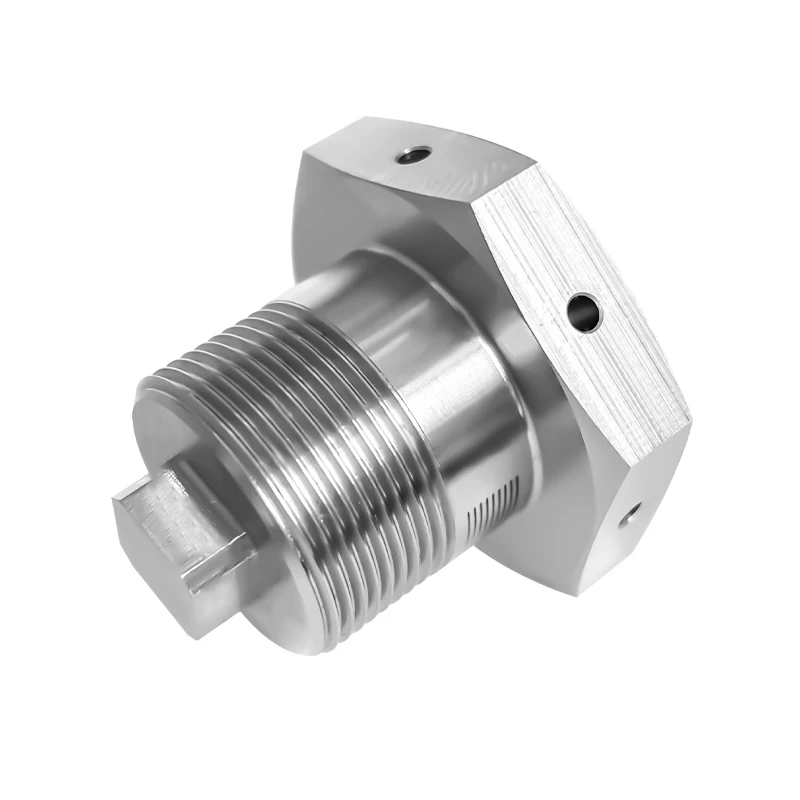
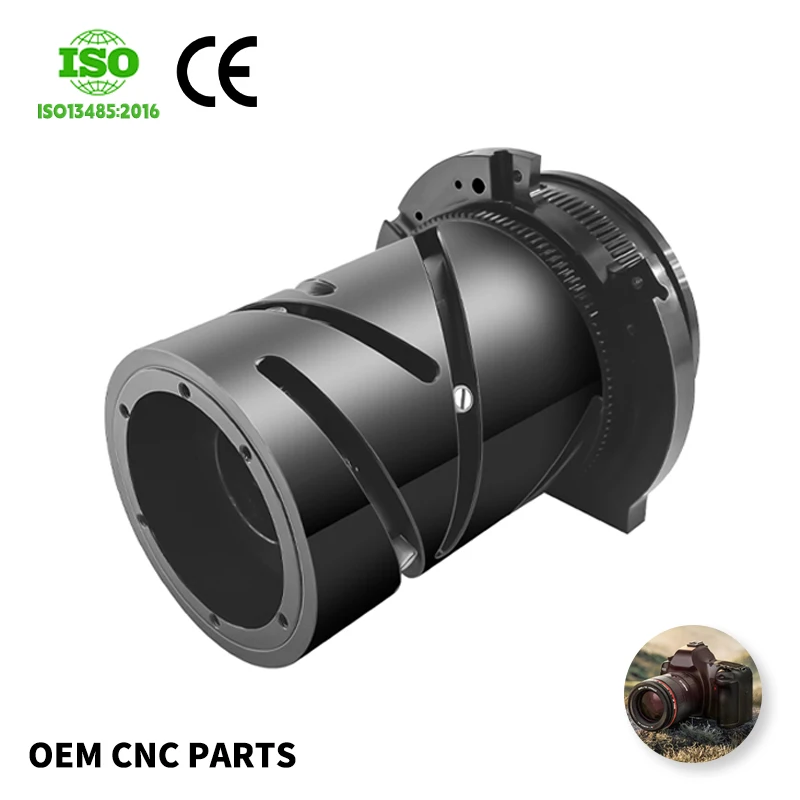
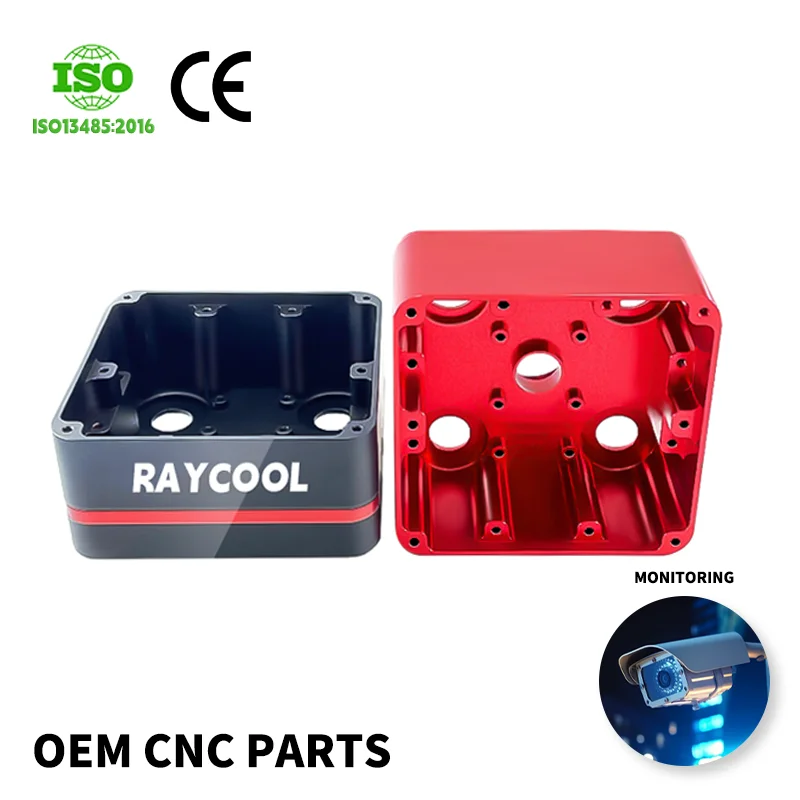
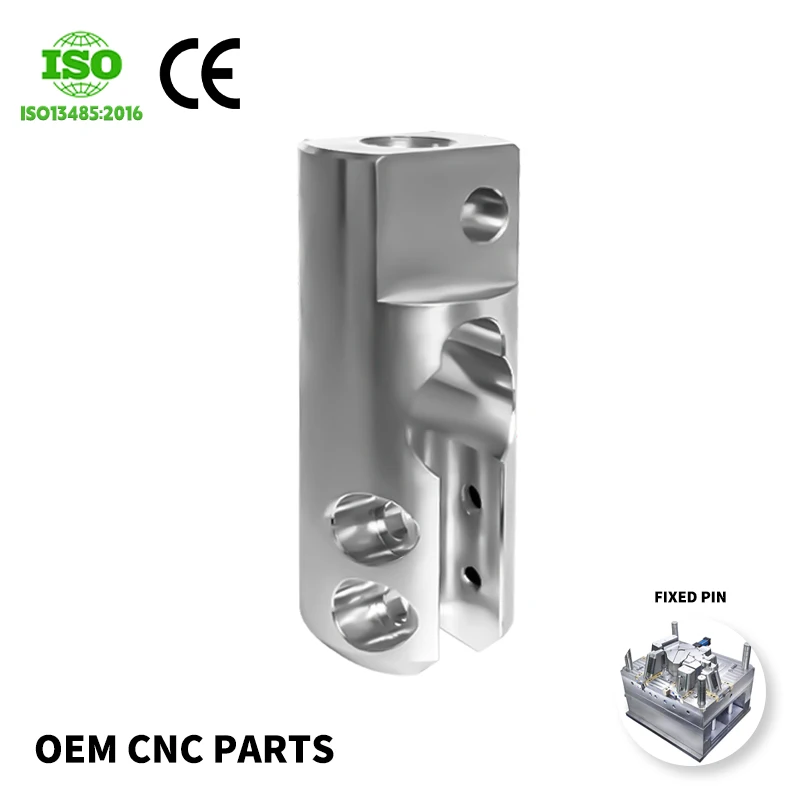
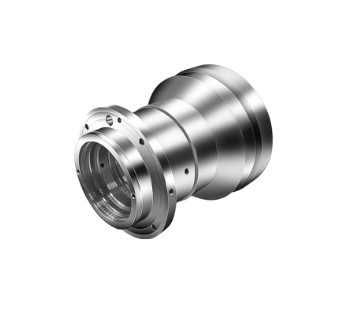
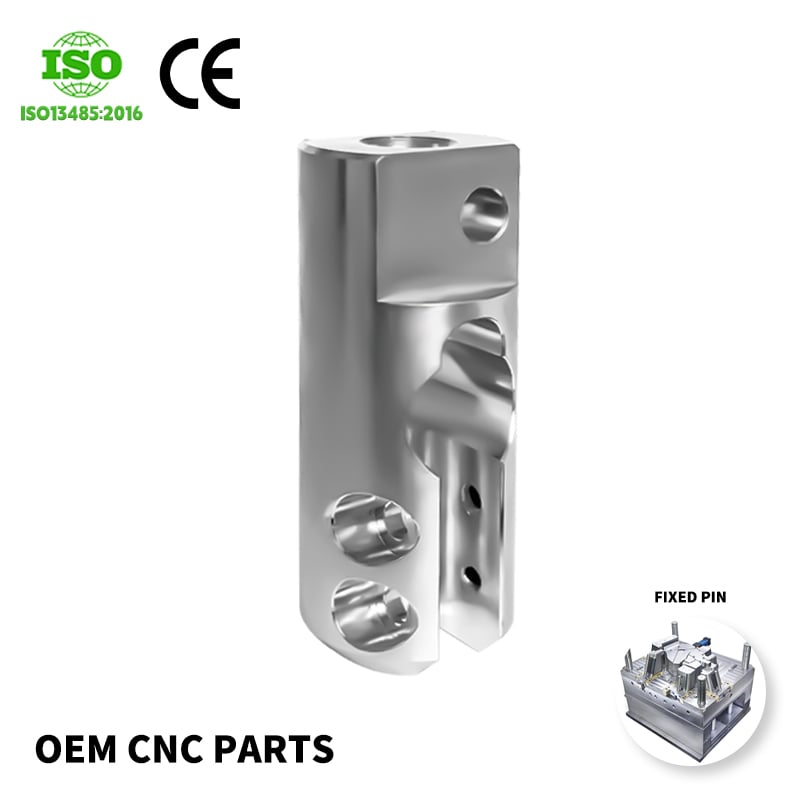
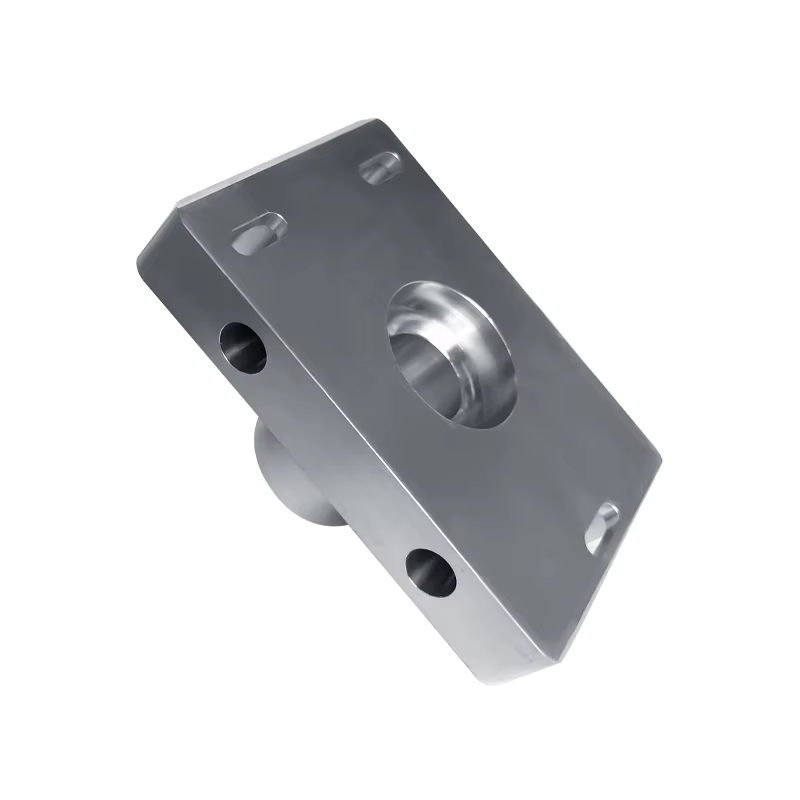
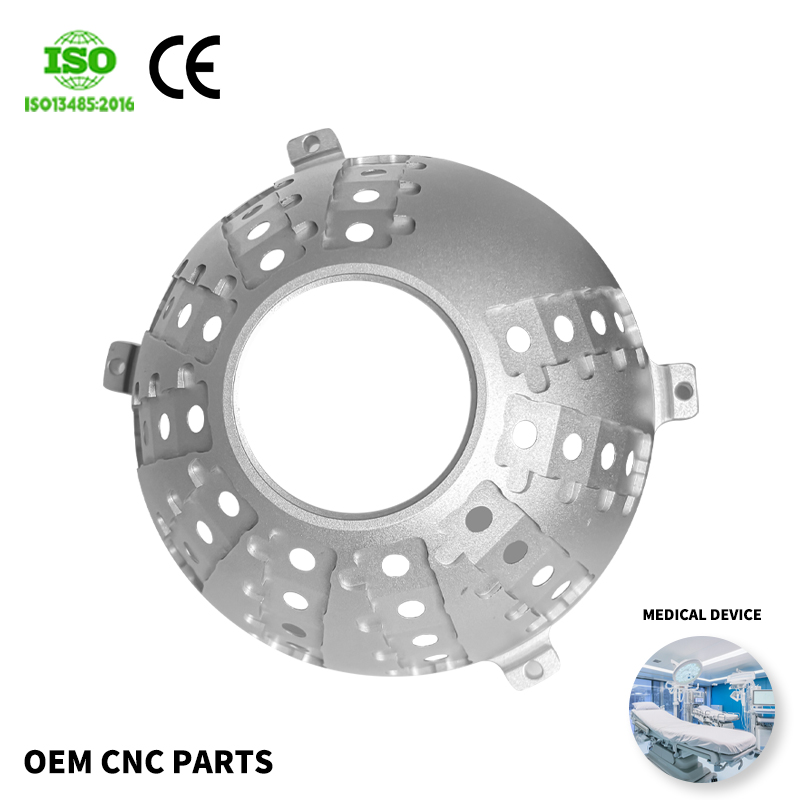
Prototype CNC parts can be manufactured from virtually any machinable material, providing authentic performance data that reflects how your final product will behave in real-world applications. This material flexibility is crucial because different materials exhibit distinct properties regarding strength, weight, thermal characteristics, chemical resistance, and wear patterns that significantly impact product performance. By prototyping with production-intent materials, you eliminate guesswork and gain confidence that test results will translate accurately to manufactured products. Metal prototype CNC parts can be machined from aluminum alloys for lightweight applications, stainless steel for corrosion resistance, titanium for aerospace requirements, or brass for electrical conductivity. Engineering plastics including ABS, polycarbonate, PEEK, and nylon offer alternatives for applications requiring specific chemical resistance, insulation properties, or reduced weight. This diversity enables direct comparison testing between material options to optimize your design for performance, cost, and manufacturability simultaneously. The ability to machine prototype CNC parts from exotic or specialty materials also supports niche applications in medical, military, and extreme environment sectors where material performance is non-negotiable. Authentic material testing reveals critical insights about machining challenges, surface finish requirements, and post-processing needs that will affect production planning, helping you develop realistic manufacturing strategies and accurate cost projections before committing to volume production.