Prototype CNC Milling Solutions | Precision Parts

prototype cnc milling

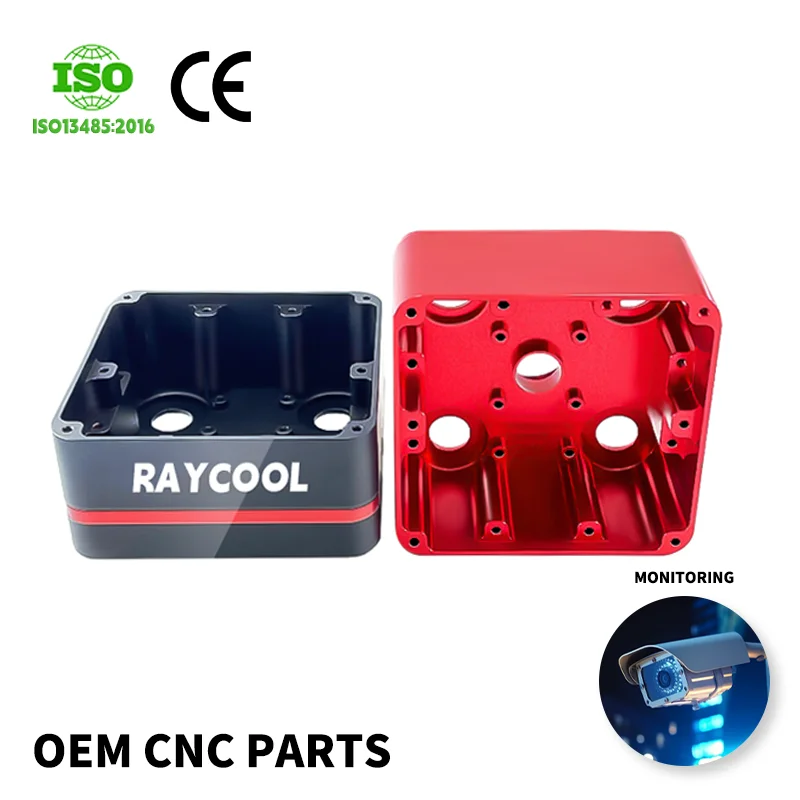
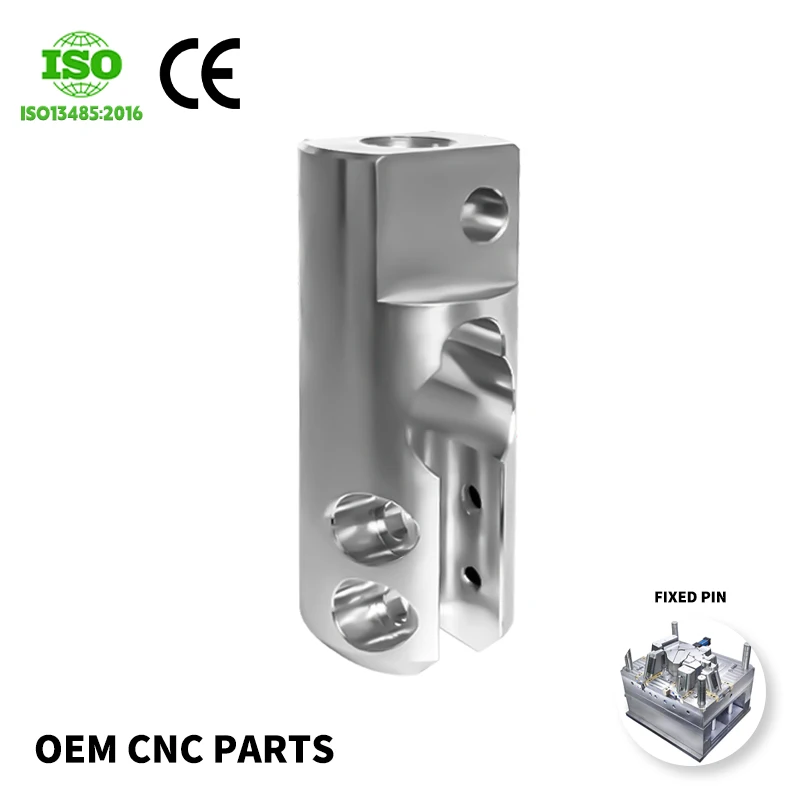
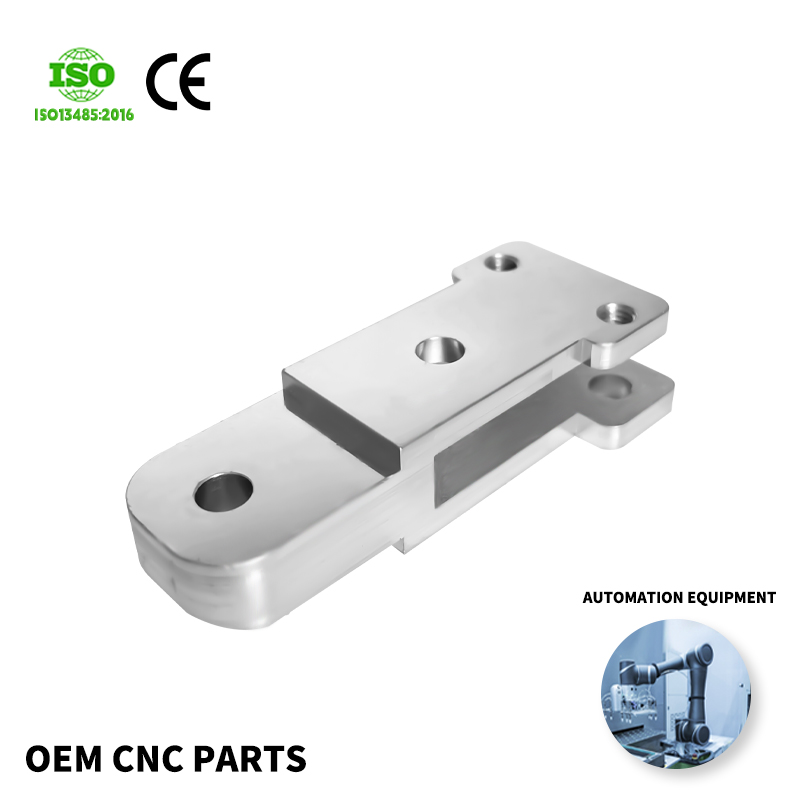
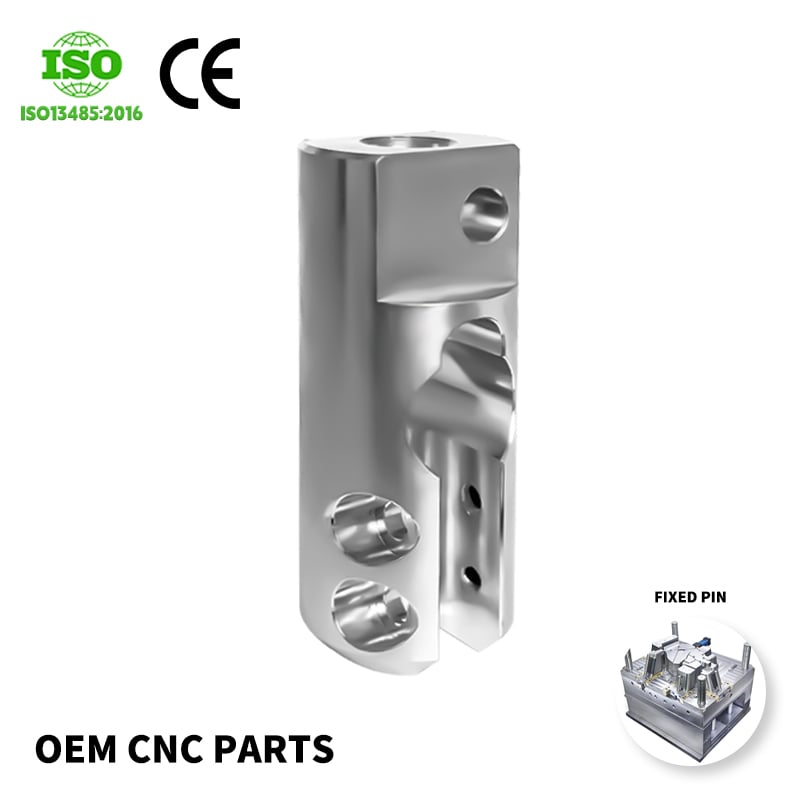
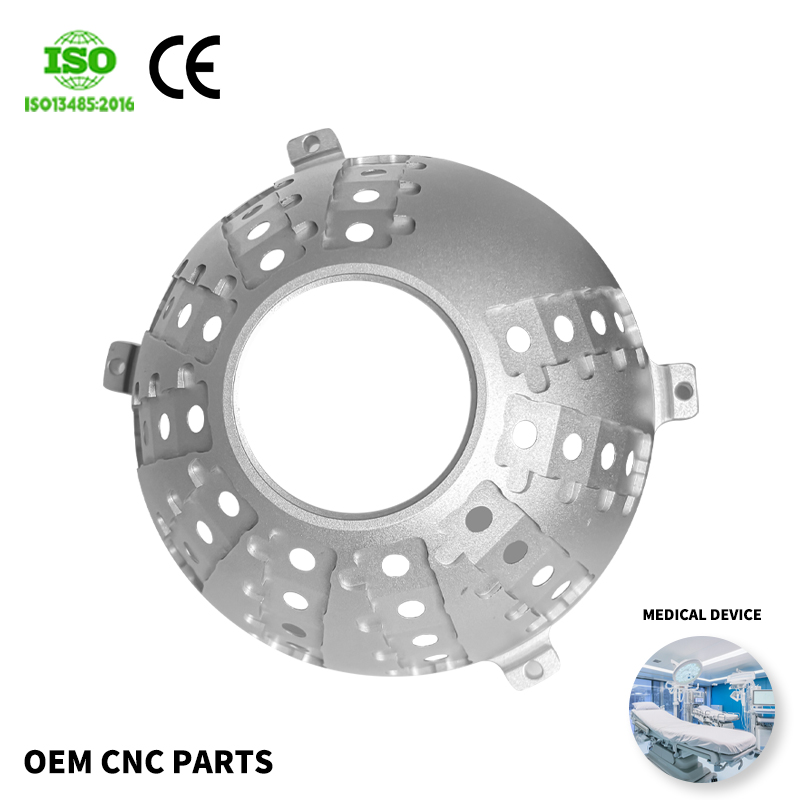
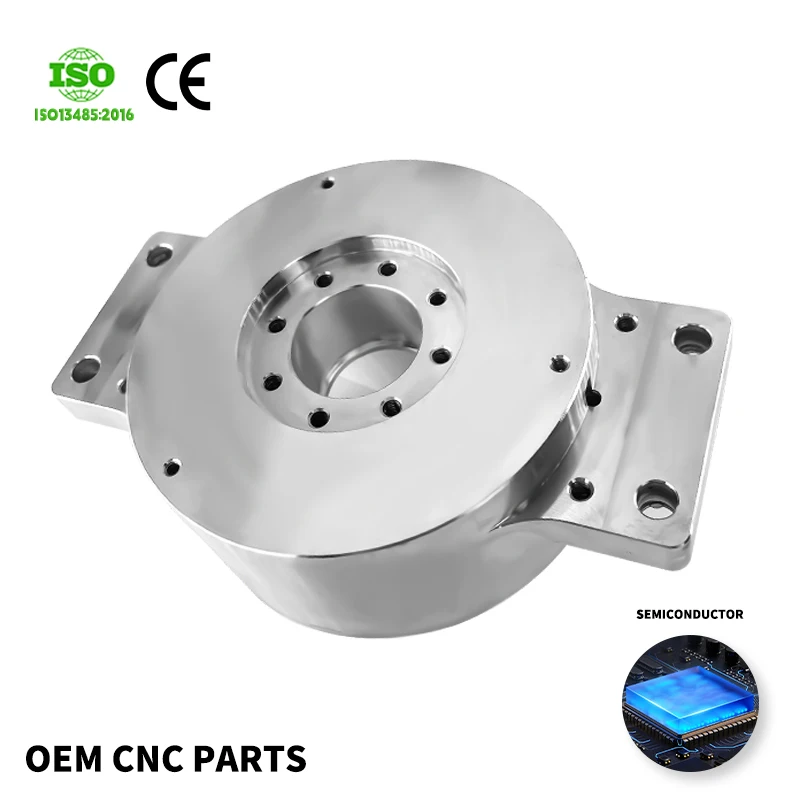
Prototype CNC milling is an advanced manufacturing process that uses computer-controlled machines to create precise physical models and functional prototypes from digital designs. This technology enables designers and engineers to transform their CAD files into tangible parts with exceptional accuracy and repeatability. The main functions of prototype CNC milling include removing material from solid blocks through rotating cutting tools, creating complex geometries with tight tolerances, and producing both simple and intricate components across various materials including metals, plastics, and composites. The technological features of prototype CNC milling encompass multi-axis capabilities ranging from 3-axis to 5-axis systems, allowing for comprehensive part machining in a single setup. Advanced CNC controllers provide real-time monitoring and adjustment of cutting parameters, ensuring optimal surface finishes and dimensional accuracy. The process supports rapid iteration, enabling quick design modifications without expensive tooling changes. Applications for prototype CNC milling span numerous industries including aerospace, automotive, medical device manufacturing, consumer electronics, and industrial equipment development. Engineers rely on this technology for functional testing, design verification, form-and-fit evaluations, and small-batch production runs. The versatility of prototype CNC milling makes it ideal for creating everything from simple brackets to complex housings, mechanical assemblies, and custom fixtures, delivering production-quality prototypes that accurately represent final manufactured parts.

New Product Releases

Choosing prototype CNC milling offers significant practical benefits that directly impact your product development timeline and budget. First, this manufacturing method delivers exceptional precision with tolerances as tight as plus or minus 0.001 inches, ensuring your prototypes match design specifications exactly. This accuracy eliminates costly revisions and accelerates the path from concept to market-ready product. The speed advantage is substantial as prototype CNC milling can produce parts within days rather than weeks, allowing you to test designs quickly and make informed decisions about product improvements. You gain operational flexibility since the same machine can handle diverse materials and geometries without requiring specialized tooling, reducing your investment in equipment and setup costs. The digital nature of prototype CNC milling means design changes are implemented instantly by updating the program file, avoiding the delays and expenses associated with traditional manufacturing methods. Your prototypes emerge with excellent surface finishes and mechanical properties that closely mirror production parts, enabling realistic functional testing under actual operating conditions. This manufacturing approach scales efficiently from single prototypes to low-volume production runs, providing continuity as your project progresses from development to market introduction. You maintain better control over intellectual property since parts can be produced in-house or with trusted partners rather than relying on overseas suppliers. The consistency of prototype CNC milling ensures every part matches the first, supporting reliable testing protocols and quality assurance processes. Budget predictability improves because digital manufacturing eliminates tooling costs and minimizes material waste through optimized cutting paths. These combined advantages make prototype CNC milling the preferred choice for companies seeking competitive advantages through faster innovation cycles and superior product quality.

Practical Tips

The Global Impact of Custom CNC Machining

26

Nov

The Global Impact of Custom CNC Machining

Economic Transformation Through CNC Automation Global Market Growth and Projections The CNC automation market is on a promising growth trajectory, with projections indicating it will reach $140.78 billion by 2028, marking a compound annual growth ra...
View More
Unlocking Precision: The Power of Custom CNC Machining

26

Nov

Unlocking Precision: The Power of Custom CNC Machining

Precision and Accuracy in Custom CNC Operations Achieving Micron-Level Tolerances Micron-level tolerances are crucial in high-precision industries like aerospace and medical devices, where even minute discrepancies can impact performance and safety....
View More
CNC Machining Process Guide: Turning, Milling, and 5-Axis Explained

06

Feb

CNC Machining Process Guide: Turning, Milling, and 5-Axis Explained

Modern manufacturing relies heavily on precision engineering and automated production techniques. CNC machining stands at the forefront of this technological revolution, transforming raw materials into complex components with exceptional accuracy. Fr...
View More
How to Choose Anodized Materials for Industrial Applications?

06

Feb

How to Choose Anodized Materials for Industrial Applications?

Selecting the right anodized materials for industrial applications requires careful consideration of multiple factors that directly impact performance, durability, and cost-effectiveness. Anodized aluminum and other metals have revolutionized manufac...
View More

Get a Free Quote

Our representative will contact you soon.
Email
Name
Company Name
Message
0/1000

prototype cnc milling

Rapid Turnaround for Accelerated Product Development

Rapid Turnaround for Accelerated Product Development

Prototype CNC milling dramatically shortens the time between design completion and physical part delivery, providing a critical competitive advantage in fast-paced markets. Traditional manufacturing methods often require weeks or months for tooling fabrication before the first prototype can be produced, but prototype CNC milling eliminates these delays entirely. Your CAD files translate directly into machine instructions, allowing production to begin within hours of design finalization. Complex parts that once took weeks to manufacture now complete in days, enabling rapid design iteration and testing cycles. This speed advantage proves especially valuable when facing tight launch deadlines or responding to market opportunities that require quick action. Engineers can test multiple design variations in the time previously required for a single prototype, leading to better-optimized final products. The ability to identify and correct design flaws early in the development process prevents costly mistakes during full-scale production. Companies using prototype CNC milling report significantly reduced time-to-market, often gaining months of advantage over competitors still using conventional prototyping methods, translating directly into increased market share and revenue opportunities.
Material Versatility for Comprehensive Testing

Material Versatility for Comprehensive Testing

Prototype CNC milling accommodates an extensive range of materials, enabling you to create prototypes using the exact substances planned for final production. This material flexibility ensures testing results accurately predict real-world performance rather than relying on substitute materials that behave differently. You can work with aluminum alloys for lightweight structural components, stainless steel for corrosion-resistant applications, titanium for aerospace requirements, engineering plastics like ABS and polycarbonate for consumer products, and specialized materials including composites and exotic alloys. Each material machines according to optimized parameters programmed into the CNC system, delivering consistent quality regardless of substrate characteristics. The ability to test prototypes in actual production materials provides invaluable data about strength, durability, thermal properties, and chemical resistance that cannot be accurately simulated. Prototype CNC milling handles both soft and hard materials with equal proficiency, from flexible thermoplastics to hardened tool steels. This versatility eliminates compromises during the prototyping phase, ensuring your testing environment mirrors production conditions exactly. Design engineers gain confidence in their material selections, reducing the risk of expensive changes after production tooling has been committed.
Complex Geometry Capabilities with Precision Control

Complex Geometry Capabilities with Precision Control

Prototype CNC milling excels at creating intricate geometries and complex features that challenge or exceed the capabilities of other manufacturing processes. Multi-axis CNC systems can approach workpieces from multiple angles simultaneously, producing undercuts, compound curves, and detailed surface textures in single setups. This capability proves essential for modern product designs featuring organic shapes, integrated assembly features, and optimized structural elements. The precision control inherent in prototype CNC milling maintains tight tolerances across all surfaces, ensuring proper fit and function when parts assemble into larger systems. Complex internal cavities, thin walls, and fine details emerge accurately from solid material blocks, matching your digital designs with remarkable fidelity. Engineers can incorporate functional features like threaded holes, precise bearing surfaces, and intricate cooling channels directly into prototype parts without secondary operations. The repeatability of prototype CNC milling guarantees that multiple prototypes match identically, supporting parallel testing programs and eliminating variables caused by part-to-part variation. This geometric freedom encourages innovative design approaches, allowing engineers to optimize part performance without constraints imposed by simpler manufacturing methods, ultimately leading to superior products.

Get a Free Quote

Our representative will contact you soon.
Email
Name
Company Name
Message
0/1000

Copyright © 2026 China Shanghai Raycool Industrial Co., Ltd. All rights reserved  -  Privacy policy