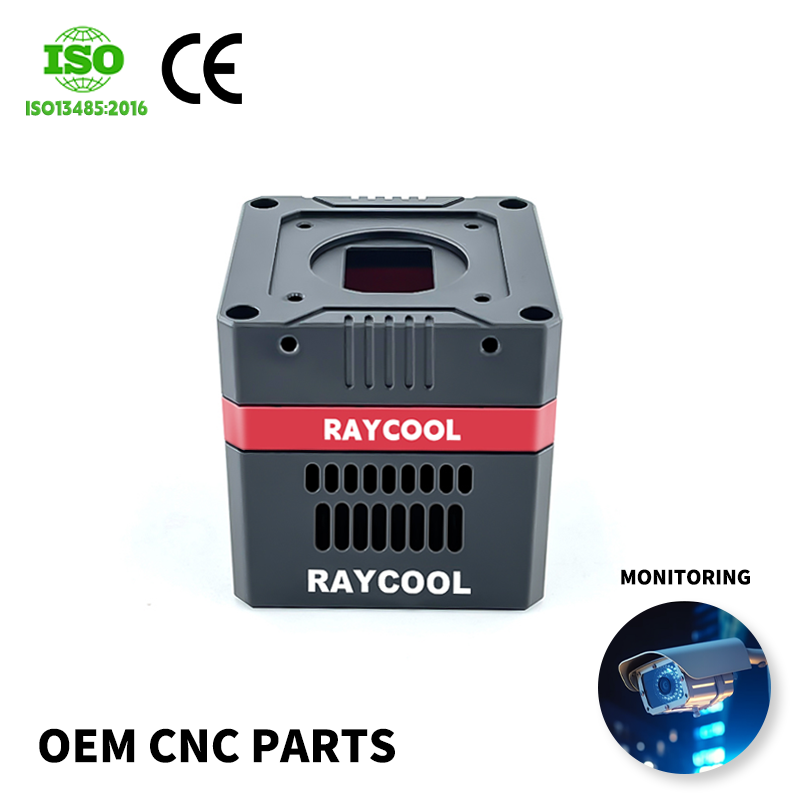
prototype cnc machining
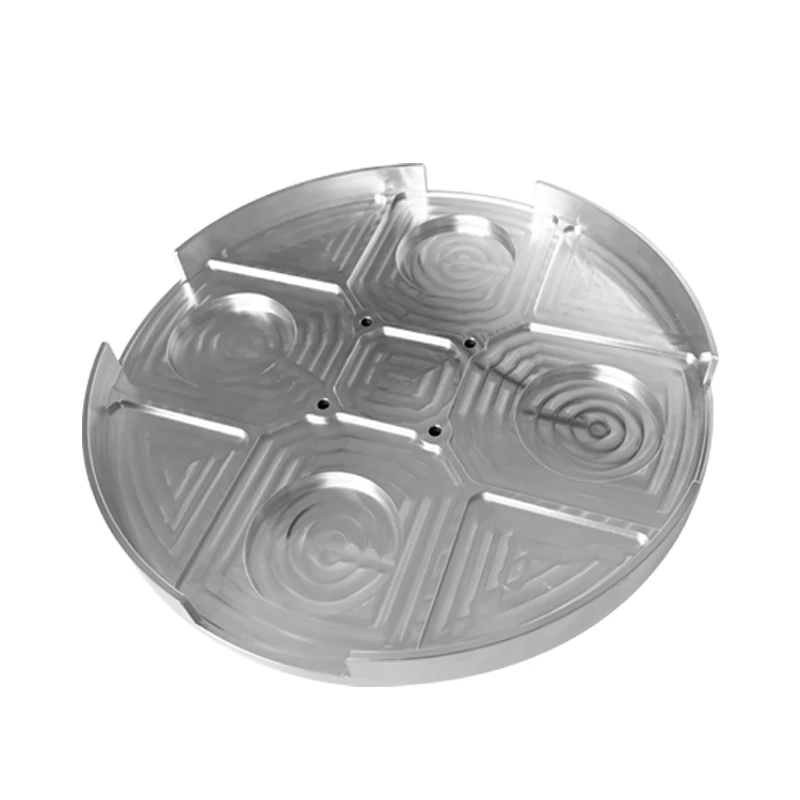
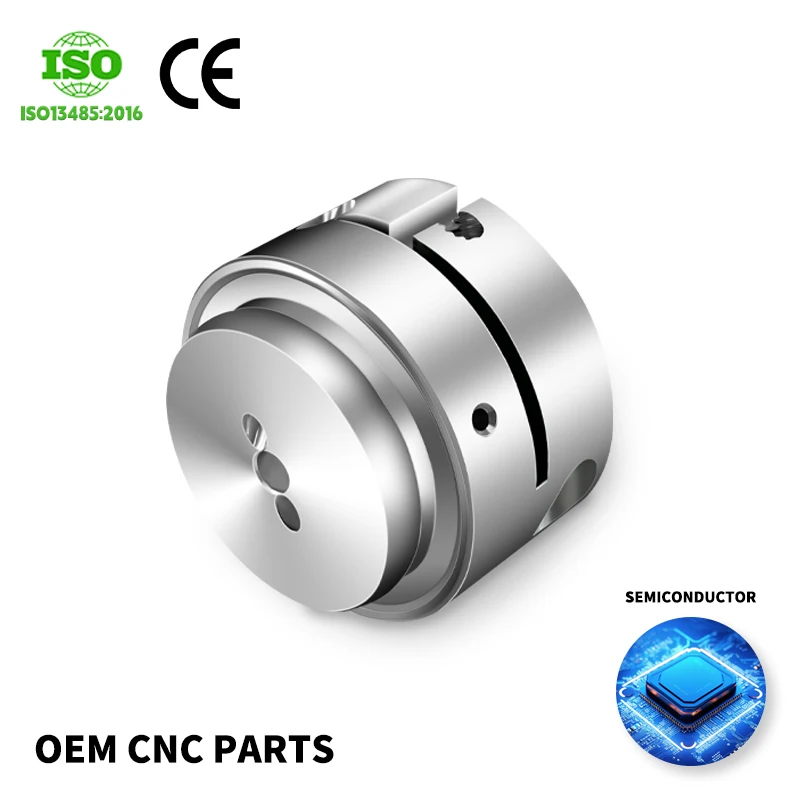
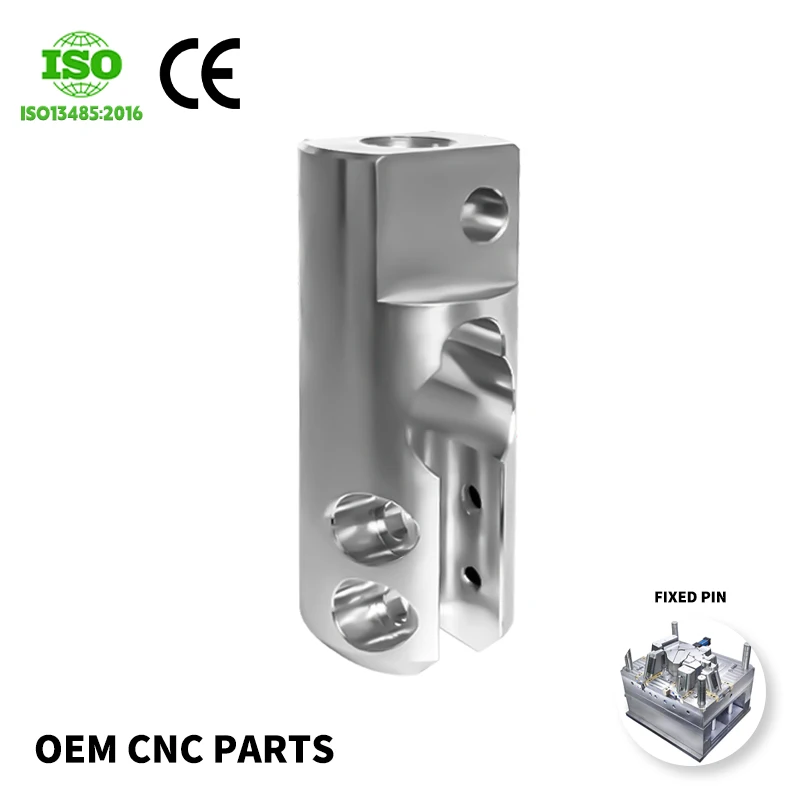
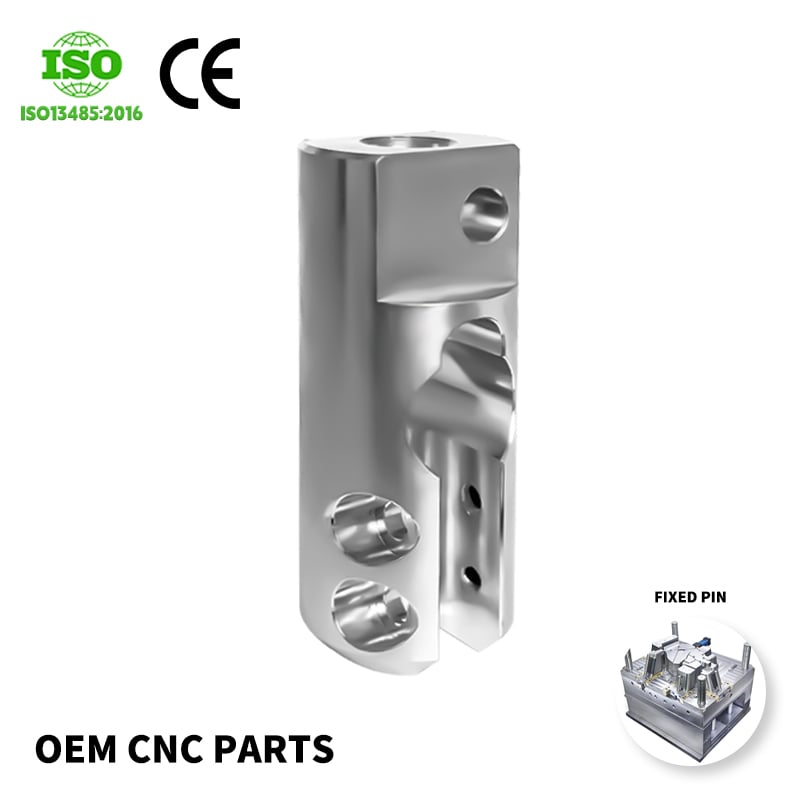
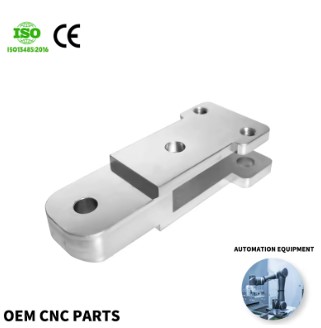
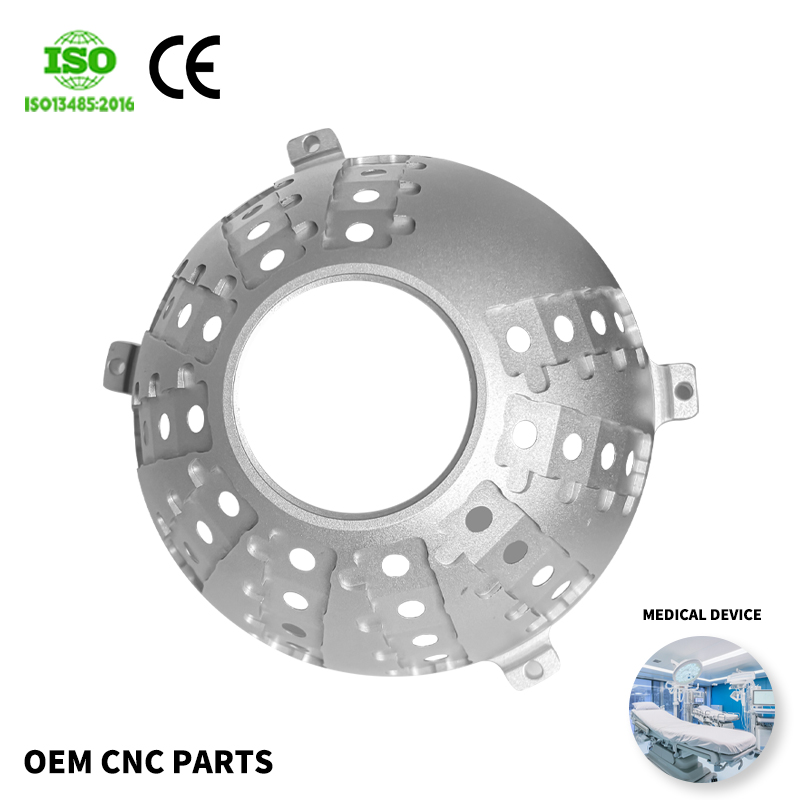
Prototype CNC machining is an advanced manufacturing process that transforms digital designs into precise physical parts using computer-controlled cutting tools. This technology enables engineers and product developers to create functional prototypes rapidly from various materials including metals, plastics, and composites. The main functions of prototype CNC machining include producing one-off samples, small-batch production runs, and proof-of-concept models that validate design specifications before full-scale manufacturing begins. This process utilizes multi-axis machining centers that can execute complex geometries with exceptional accuracy, typically achieving tolerances as tight as plus or minus 0.005 inches. Technological features include automated tool changing, real-time quality monitoring, and CAD/CAM integration that streamlines the transition from concept to physical prototype. The applications span numerous industries such as aerospace, medical devices, automotive, consumer electronics, and industrial equipment. Engineers rely on prototype CNC machining to test mechanical fit, evaluate material performance, and identify potential design flaws early in the development cycle. This manufacturing method supports iterative design processes where modifications can be implemented quickly based on testing feedback. The versatility of prototype CNC machining allows manufacturers to work with both simple and intricate part geometries, from basic brackets to complex multi-feature components. By combining precision, speed, and material flexibility, this technology has become essential for companies seeking to reduce product development timelines while maintaining rigorous quality standards throughout the prototyping phase.