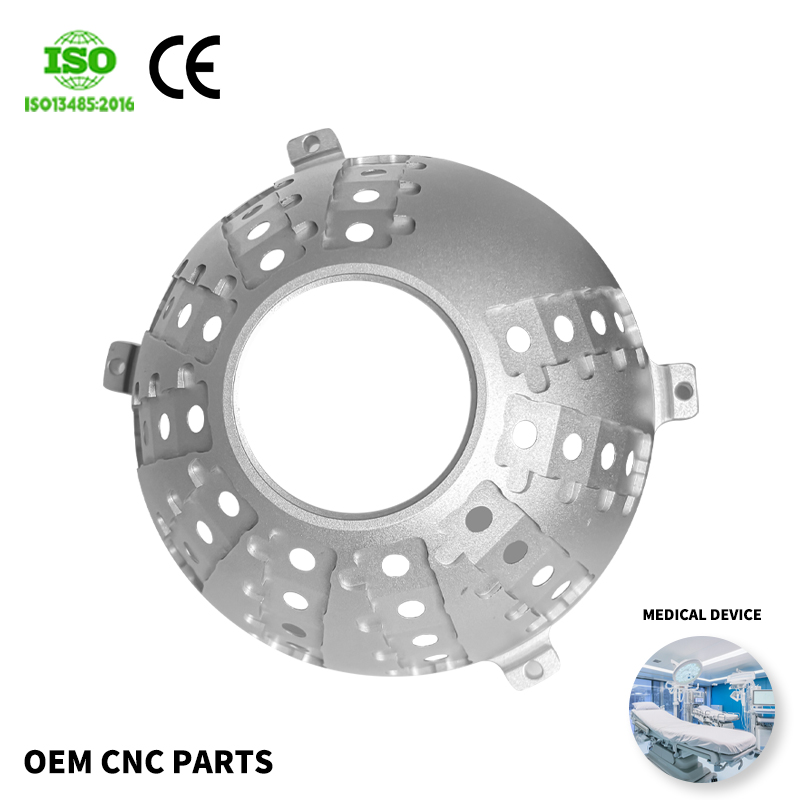
CNC Machining for Medical Devices | Precision

cnc machining for medical devices

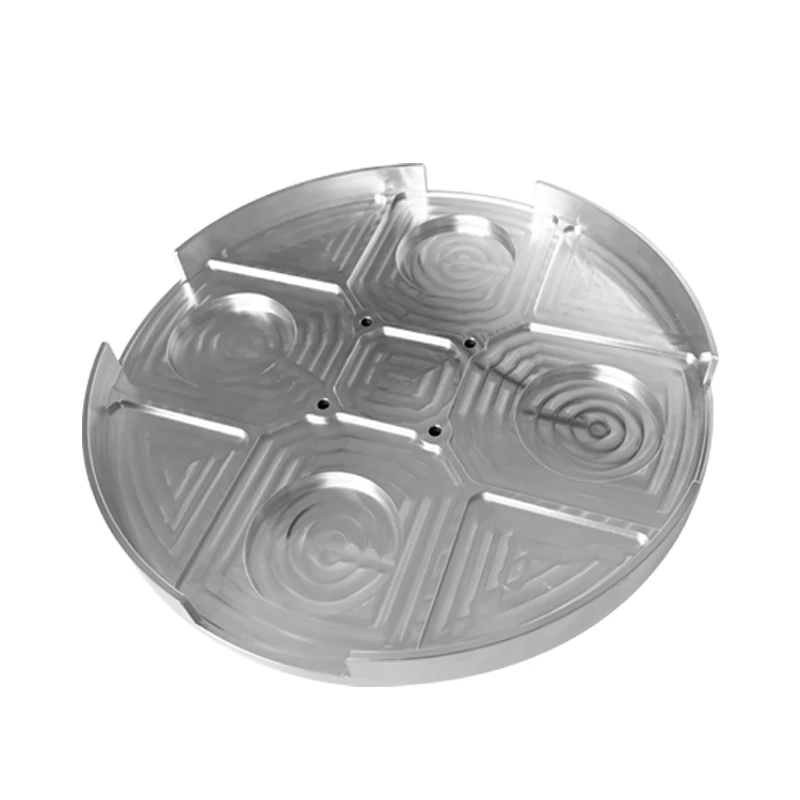
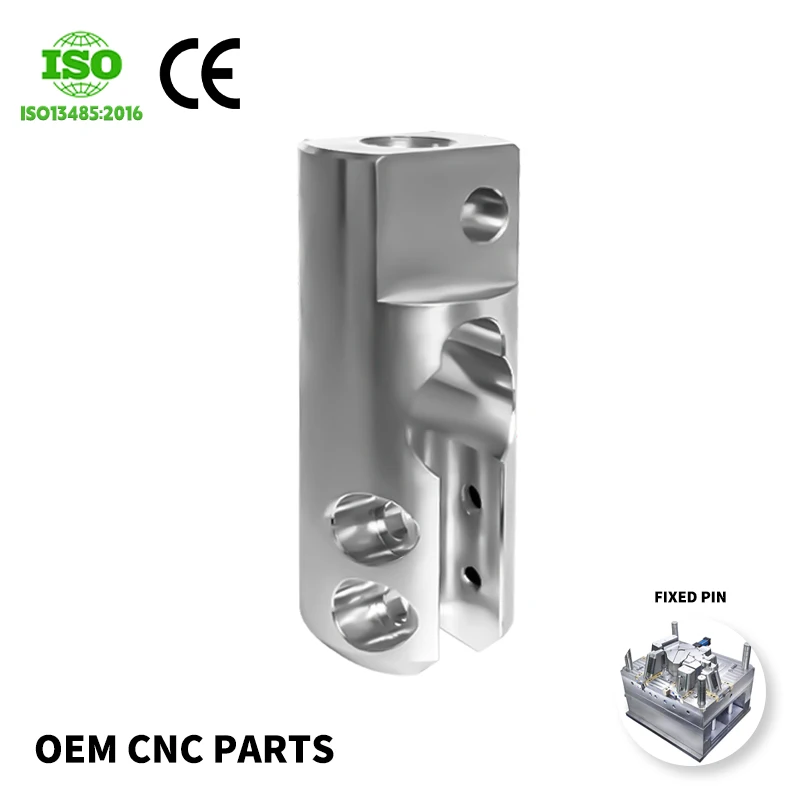
CNC machining for medical devices represents a cornerstone manufacturing technology in the healthcare industry, delivering precision-engineered components that meet the strictest quality and safety standards. This advanced subtractive manufacturing process uses computer-controlled machine tools to remove material from solid blocks of metal, plastic, or composite materials, creating intricate parts with exceptional accuracy. CNC machining for medical devices encompasses multiple operations including milling, turning, drilling, and grinding, all guided by digital instructions to produce consistent results. The technology serves critical functions in producing surgical instruments, implantable devices, diagnostic equipment components, and prosthetic parts. Key technological features include multi-axis capabilities that enable complex geometries, tolerances as tight as 0.0001 inches, and compatibility with biocompatible materials such as titanium, stainless steel, PEEK, and medical-grade plastics. CNC machining for medical devices supports both prototype development and high-volume production runs, offering flexibility throughout product lifecycles. The process maintains sterile manufacturing environments and traceable documentation required for regulatory compliance with FDA and ISO 13485 standards. Applications span cardiovascular devices, orthopedic implants, dental prosthetics, surgical tools, and diagnostic equipment housings. The technology enables manufacturers to translate complex CAD designs into physical components while maintaining repeatable precision across production batches, making CNC machining for medical devices indispensable for companies developing life-saving and life-enhancing medical solutions.

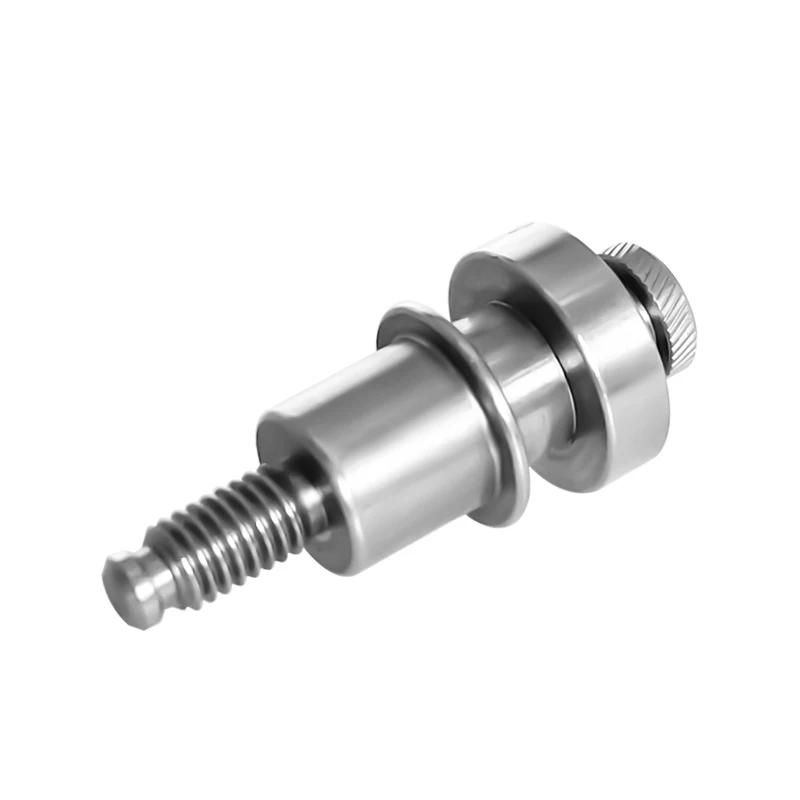
New Product Releases

Choosing CNC machining for medical devices delivers tangible value through unmatched precision that directly impacts patient safety and treatment outcomes. You gain the ability to produce components with tolerances measured in microns, ensuring perfect fit and function in critical applications where dimensional accuracy can mean the difference between success and failure. The technology reduces your time-to-market significantly, as rapid prototyping capabilities allow you to test designs quickly and move from concept to production without costly tooling delays. Your operational efficiency improves through automated processes that run continuously with minimal supervision, reducing labor costs while maintaining consistent quality across thousands of parts. Material versatility gives you freedom to work with any biocompatible material your application demands, from titanium alloys for implants to medical-grade polymers for disposable instruments. CNC machining for medical devices supports your regulatory compliance efforts with built-in traceability, documented processes, and validated equipment that auditors expect to see. You benefit from design flexibility that accommodates last-minute engineering changes without expensive retooling, protecting your investment when modifications become necessary. The technology scales with your business, handling prototype quantities or production volumes with equal competence, so you avoid switching manufacturing methods as demand grows. Cost predictability improves because CNC machining for medical devices eliminates many variables found in manual processes, giving you reliable quotes and consistent per-part pricing. Your quality assurance becomes simpler as automated inspection can occur during machining cycles, catching deviations before parts leave the machine. Surface finish quality meets the highest standards without secondary operations, reducing processing steps and associated costs while delivering components ready for sterilization and immediate use in medical settings.

Latest News

The Global Impact of Custom CNC Machining

26

Nov

The Global Impact of Custom CNC Machining

Economic Transformation Through CNC Automation Global Market Growth and Projections The CNC automation market is on a promising growth trajectory, with projections indicating it will reach $140.78 billion by 2028, marking a compound annual growth ra...
View More
Choosing CNC Aluminium Parts for Research and Development

26

Nov

Choosing CNC Aluminium Parts for Research and Development

Why CNC Aluminium Parts Excel in Research and Development Superior Strength-to-Weight Ratio for Prototyping CNC aluminium parts are crucial for creating lightweight prototypes that maintain strength and durability. Their exceptional strength-to-weig...
View More
CNC Machining Guide: Turning, Milling, and 5-Axis Processes Explained

06

Jan

CNC Machining Guide: Turning, Milling, and 5-Axis Processes Explained

CNC machining represents the backbone of modern manufacturing, transforming raw materials into precision components through computer-controlled cutting processes. This advanced manufacturing technique has revolutionized industries from aerospace to m...
View More
Key Considerations When Sourcing Anodized Parts from Manufacturers?

06

Feb

Key Considerations When Sourcing Anodized Parts from Manufacturers?

Manufacturing industries increasingly rely on anodized components to enhance product durability, aesthetic appeal, and corrosion resistance. The anodizing process creates a protective oxide layer on aluminum surfaces, making these parts essential for...
View More

Get a Free Quote

Our representative will contact you soon.
Email
Name
Company Name
Message
0/1000

cnc machining for medical devices

Biocompatibility and Material Certification

Biocompatibility and Material Certification

CNC machining for medical devices excels in working with materials specifically certified for medical applications and direct patient contact. This capability proves essential because medical device manufacturers must demonstrate that every component meets biocompatibility standards defined by ISO 10993 and USP Class VI testing protocols. The machining process preserves the integrity of certified materials without introducing contaminants or altering surface chemistry that could compromise biocompatibility. You receive components machined from materials with full traceability documentation, including material certifications, lot numbers, and test reports that regulators require during device approval processes. The technology accommodates specialized alloys like cobalt-chromium for joint replacements, surgical-grade stainless steel for instruments, and titanium alloys for implants, each requiring specific cutting parameters to maintain material properties. CNC machining for medical devices also processes advanced polymers including PEEK, Ultem, and Radel that offer strength-to-weight advantages in structural applications. This material expertise ensures your devices perform reliably in demanding biological environments while meeting all regulatory requirements for patient safety and long-term performance.
Complex Geometry Manufacturing Capability

Complex Geometry Manufacturing Capability

Modern CNC machining for medical devices utilizes multi-axis equipment that produces geometries impossible to achieve through conventional methods, opening new possibilities for device design and functionality. Five-axis machines simultaneously control cutting tool position and orientation, enabling manufacturers to create undercuts, compound angles, and organic shapes that match human anatomy precisely. This capability proves invaluable when producing custom orthopedic implants tailored to individual patient anatomy or surgical instruments with ergonomic handles that reduce surgeon fatigue during lengthy procedures. You gain the freedom to design components optimized for function rather than manufacturing limitations, knowing that CNC technology can translate your vision into physical reality. The technology machines complete features in single setups, eliminating multiple repositioning operations that introduce cumulative errors and extend production time. Complex internal channels for fluid delivery, intricate lattice structures for bone integration, and precisely angled cutting surfaces all become manufacturable realities. CNC machining for medical devices combines this geometric flexibility with the tight tolerances medical applications demand, ensuring that complex shapes maintain dimensional accuracy throughout all features and surfaces.
Regulatory Compliance and Quality Documentation

Regulatory Compliance and Quality Documentation

CNC machining for medical devices integrates seamlessly with quality management systems that regulatory agencies expect from medical device manufacturers, providing documentation and process control that simplify audits and approvals. The technology generates comprehensive production records automatically, capturing machine parameters, tool changes, inspection results, and operator actions for every part produced. This digital trail creates the traceability regulators require to demonstrate manufacturing consistency and identify root causes if quality issues emerge. You benefit from validated processes where machine performance undergoes regular calibration and verification against known standards, with documentation proving equipment capability throughout production runs. Statistical process control integrates directly with machining operations, monitoring critical dimensions in real-time and alerting operators before parts drift out of specification limits. CNC machining for medical devices supports cleanroom manufacturing environments with enclosed work zones that minimize particulate contamination and facilitate sterilization protocols. The technology aligns perfectly with Design History File requirements, maintaining version control of machining programs that correspond to specific device iterations and design changes. Your quality system becomes more robust because CNC processes eliminate human variables that introduce inconsistency, while automated inspection verifies that every component meets acceptance criteria before moving to subsequent manufacturing stages or final packaging.

Get a Free Quote

Our representative will contact you soon.
Email
Name
Company Name
Message
0/1000

Copyright © 2026 China Shanghai Raycool Industrial Co., Ltd. All rights reserved  -  Privacy policy