Medical Device Components Manufacturer Solutions

medical device components manufacturer

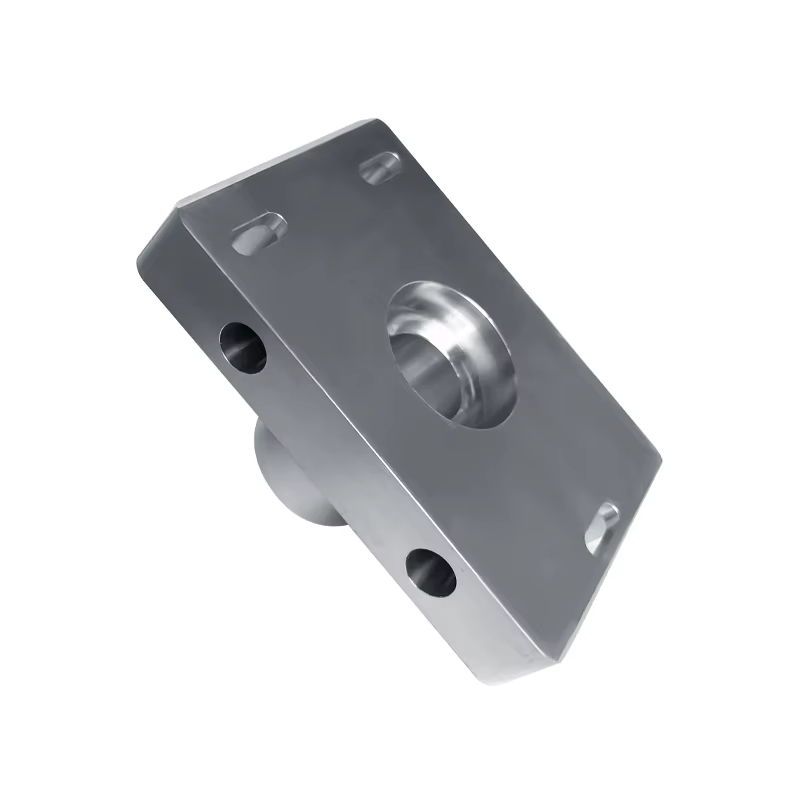
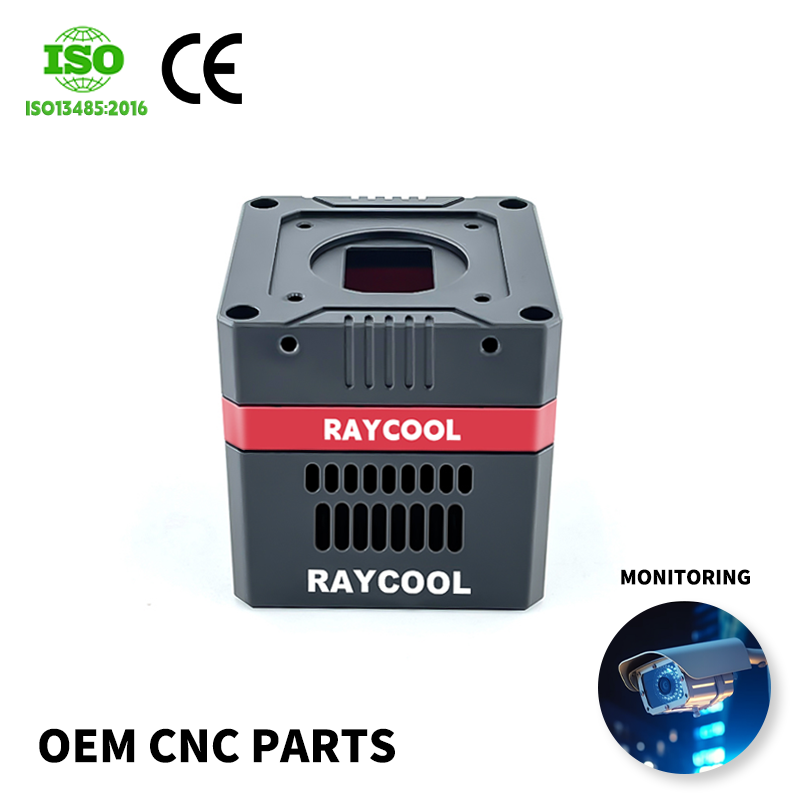
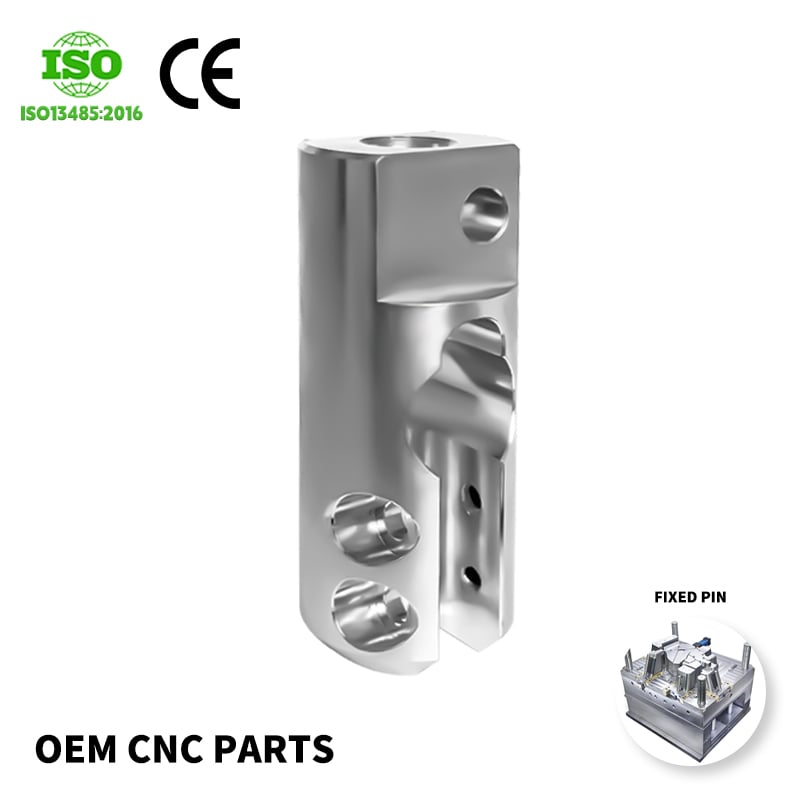
A medical device components manufacturer specializes in producing precision-engineered parts and assemblies that form the foundation of critical healthcare equipment and diagnostic instruments. These manufacturers operate under stringent regulatory frameworks, including ISO 13485 and FDA compliance standards, ensuring every component meets the highest quality and safety requirements. The main functions encompass design collaboration, prototype development, precision machining, injection molding, assembly services, and quality validation testing. A medical device components manufacturer leverages advanced manufacturing technologies such as CNC machining, micro-molding, cleanroom assembly, and automated inspection systems to deliver components with tolerances measured in microns. Technological features include biocompatible material selection, sterilization compatibility, traceability systems, and documentation protocols that support regulatory submissions. Applications span across surgical instruments, diagnostic equipment, patient monitoring systems, drug delivery devices, implantable components, and laboratory analysis tools. These manufacturers serve as strategic partners to OEMs, providing scalable production from prototype quantities to full commercial volumes. By combining engineering expertise with manufacturing capabilities, a medical device components manufacturer enables medical device companies to accelerate time-to-market while maintaining compliance with international standards. The integration of quality management systems throughout production ensures consistent performance, reliability, and patient safety across every manufactured component, making these manufacturers indispensable partners in the global healthcare supply chain.

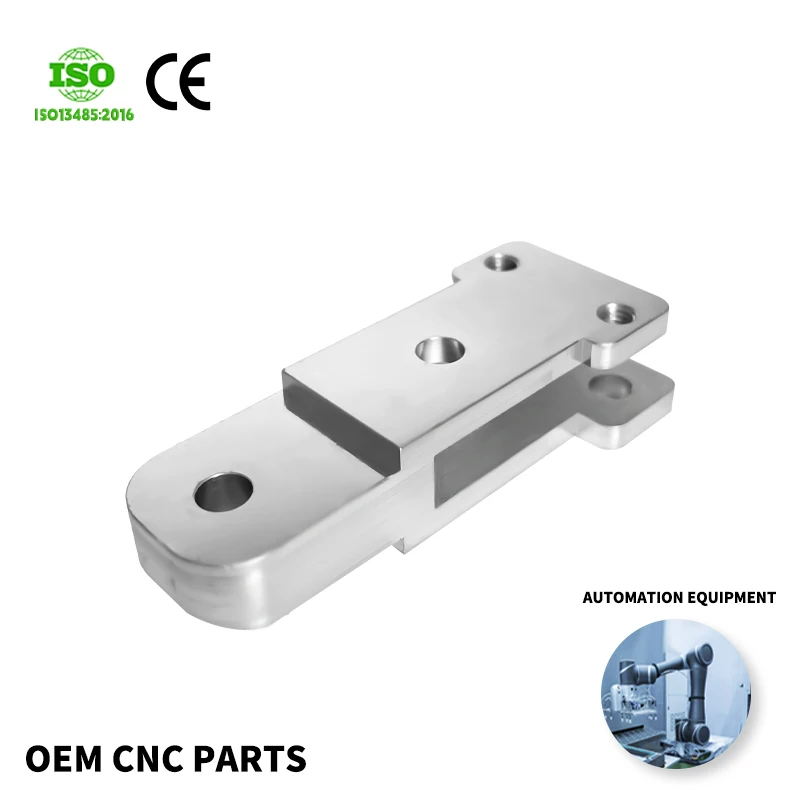
New Product Recommendations

Partnering with a specialized medical device components manufacturer delivers tangible value through reduced development costs and faster product launch timelines. These manufacturers maintain established quality systems and regulatory documentation, eliminating the need for device companies to build internal manufacturing infrastructure. This translates directly into lower capital expenditure and operational overhead. Operational benefits include access to specialized equipment and technical expertise without long-term investment commitments. A medical device components manufacturer operates dedicated cleanroom facilities, precision machining centers, and validation laboratories that would require millions in capital for individual companies to establish independently. Production flexibility allows buyers to scale volumes according to market demand without capacity constraints or inventory risks. When launching new products, manufacturers provide engineering support that optimizes designs for manufacturability, reducing material waste and production cycle times. Application suitability spans the full spectrum of medical devices, from simple consumable components to complex implantable assemblies requiring biocompatibility testing and sterilization validation. The manufacturer's experience across multiple device categories brings cross-industry insights that improve component performance and reliability. Supply chain stability represents another critical advantage, as established manufacturers maintain qualified supplier networks for raw materials and maintain business continuity protocols. Quality assurance processes include statistical process control, automated inspection, and comprehensive documentation that supports regulatory submissions and audits. Risk mitigation occurs through validated processes, material traceability, and change control procedures that ensure consistent component performance. Cost predictability improves through established pricing models and long-term partnership agreements. Ultimately, choosing an experienced medical device components manufacturer allows device companies to focus resources on innovation and market development while entrusting component production to proven manufacturing specialists.

Tips And Tricks

Material Customization: How to Select Aluminum, Stainless Steel, Titanium, Copper, or Plastic

05

Dec

Material Customization: How to Select Aluminum, Stainless Steel, Titanium, Copper, or Plastic

Selecting the right material for manufacturing components requires careful consideration of multiple factors including mechanical properties, environmental conditions, cost constraints, and specific application requirements. Material customization ha...
View More
5-Axis Machining Advantages for Complex Parts and Precision Manufacturing

06

Feb

5-Axis Machining Advantages for Complex Parts and Precision Manufacturing

Modern manufacturing demands have pushed the boundaries of traditional machining methods, leading to revolutionary advances in precision engineering. 5-Axis Machining has emerged as the gold standard for producing complex geometries and intricate com...
View More
When to Choose 5-Axis Machining for High-Tolerance CNC Components?

06

Feb

When to Choose 5-Axis Machining for High-Tolerance CNC Components?

Modern manufacturing demands precision components that meet increasingly stringent specifications across industries from aerospace to medical devices. Traditional 3-axis CNC machining, while effective for many applications, faces limitations when dea...
View More
How to Choose Anodized Materials for Industrial Applications?

06

Feb

How to Choose Anodized Materials for Industrial Applications?

Selecting the right anodized materials for industrial applications requires careful consideration of multiple factors that directly impact performance, durability, and cost-effectiveness. Anodized aluminum and other metals have revolutionized manufac...
View More

Get a Free Quote

Our representative will contact you soon.
Email
Name
Company Name
Message
0/1000

medical device components manufacturer

Advanced Precision Manufacturing Capabilities

Advanced Precision Manufacturing Capabilities

A leading medical device components manufacturer invests continuously in state-of-the-art manufacturing technologies that deliver exceptional precision and consistency. Multi-axis CNC machining centers achieve tolerances within 0.001 inches, essential for components in surgical instruments and implantable devices where dimensional accuracy directly impacts patient outcomes. Micro-injection molding capabilities produce intricate plastic components weighing mere milligrams with repeatable quality across millions of units. Cleanroom manufacturing environments ranging from ISO Class 7 to Class 8 prevent particulate contamination during assembly and packaging operations. Automated optical inspection systems utilize machine vision and artificial intelligence to detect defects invisible to human inspectors, ensuring zero-defect delivery. Laser marking and etching provide permanent traceability without compromising component integrity or biocompatibility. Advanced material processing includes precision grinding, electropolishing, and specialized coating applications that enhance surface finishes and functional performance. The combination of human expertise and automated precision creates manufacturing capabilities that meet the exacting standards of cardiac devices, orthopedic implants, and minimally invasive surgical tools, providing device companies with components they can trust in life-critical applications.
Comprehensive Regulatory Compliance and Quality Systems

Comprehensive Regulatory Compliance and Quality Systems

An established medical device components manufacturer operates under fully validated quality management systems that satisfy global regulatory requirements including FDA 21 CFR Part 820, ISO 13485, and EU Medical Device Regulation. These comprehensive systems encompass document control, design history files, device master records, and complaint handling procedures that align with customer regulatory strategies. Internal audit programs and management review processes ensure continuous improvement and compliance maintenance. Validation protocols cover equipment qualification, process validation, cleaning validation, and software validation according to industry best practices. Material traceability systems track every component from raw material receipt through final shipment, creating complete genealogy records that support field actions if required. Supplier qualification programs ensure upstream material consistency and compliance. Environmental monitoring in controlled manufacturing areas maintains contamination control. Calibration management keeps measurement systems accurate and traceable to national standards. The manufacturer's compliance infrastructure becomes an extension of the customer's quality system, providing audit-ready documentation and supporting regulatory submissions worldwide. This established compliance framework significantly reduces the regulatory burden on device companies, accelerates approval timelines, and minimizes compliance risks throughout the product lifecycle.
Strategic Partnership and Engineering Support

Strategic Partnership and Engineering Support

A professional medical device components manufacturer functions as a true strategic partner rather than merely a supplier, offering engineering collaboration that enhances product development and commercial success. Application engineers work alongside customer design teams during concept development, providing design for manufacturability guidance that prevents costly redesigns and production delays. Material selection expertise helps identify biocompatible polymers, metals, and elastomers that balance performance requirements with regulatory compliance and cost considerations. Prototyping services with rapid iteration cycles allow functional testing and design validation before committing to production tooling investments. Failure mode and effects analysis conducted jointly identifies potential risks and implements preventive controls. Value engineering initiatives continuously seek cost reduction opportunities through material optimization, process improvements, and design refinements without compromising quality or performance. Scalability planning ensures smooth transitions from initial production through commercial volumes, avoiding supply disruptions during critical launch phases. Technical documentation support assists with design control records and regulatory submission requirements. Long-term partnership orientation means the manufacturer invests in understanding customer roadmaps and aligning capabilities accordingly. This collaborative approach transforms the medical device components manufacturer from a transactional vendor into an integral part of the customer's product development ecosystem, driving innovation and competitive advantage.

Get a Free Quote

Our representative will contact you soon.
Email
Name
Company Name
Message
0/1000

Copyright © 2026 China Shanghai Raycool Industrial Co., Ltd. All rights reserved  -  Privacy policy