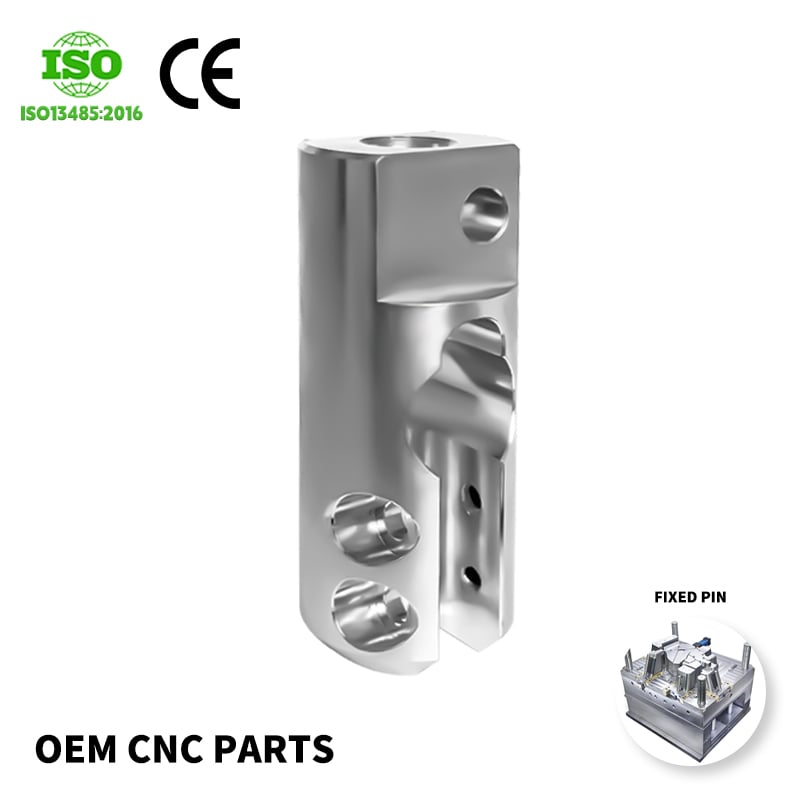
machining medical parts
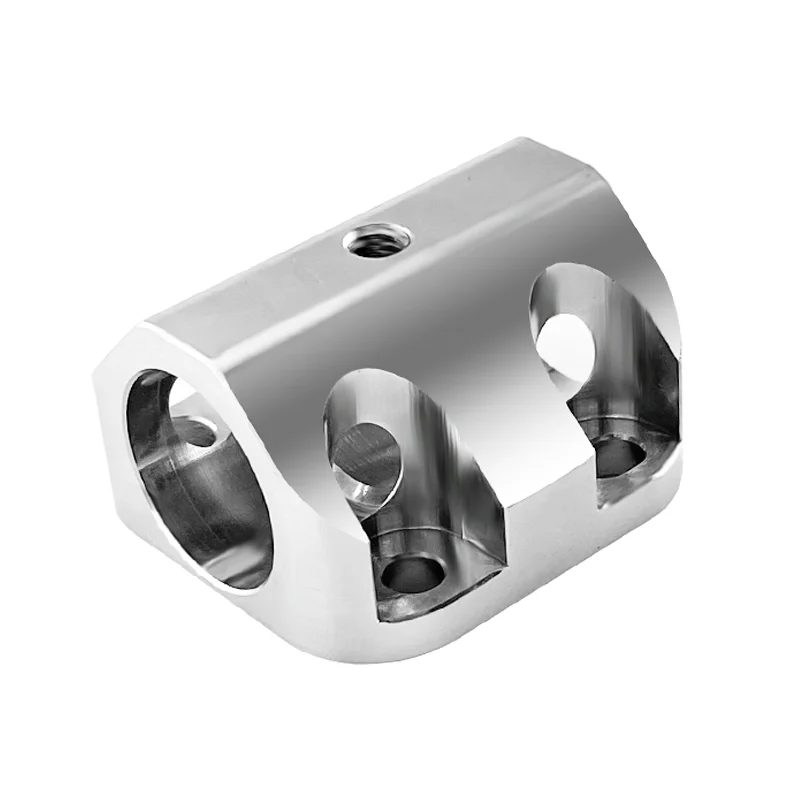
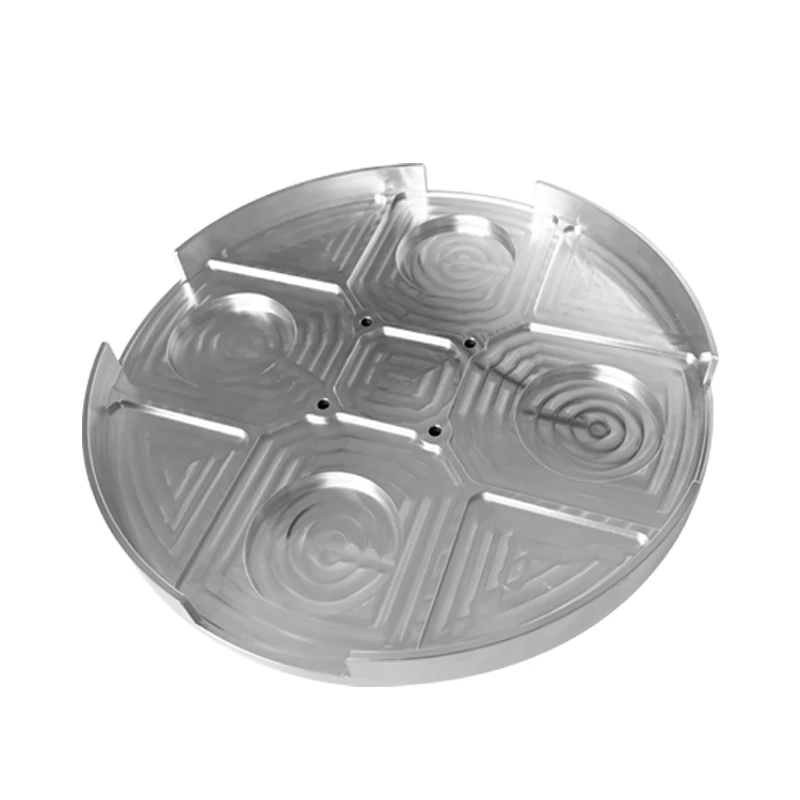
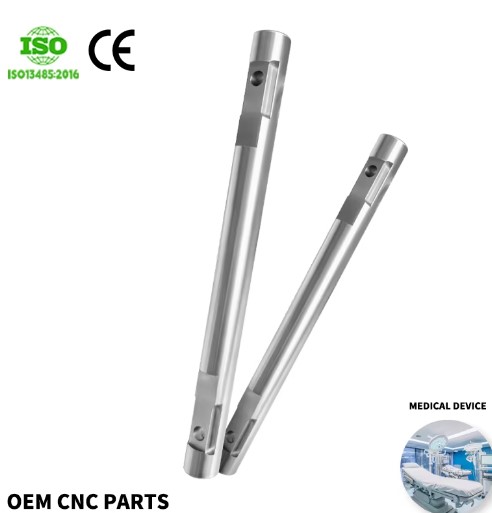
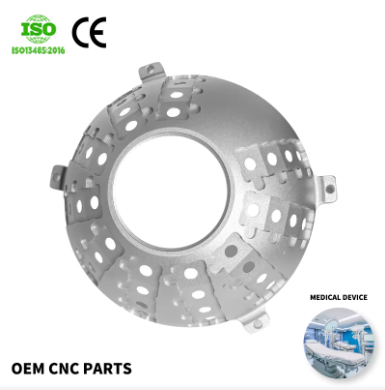
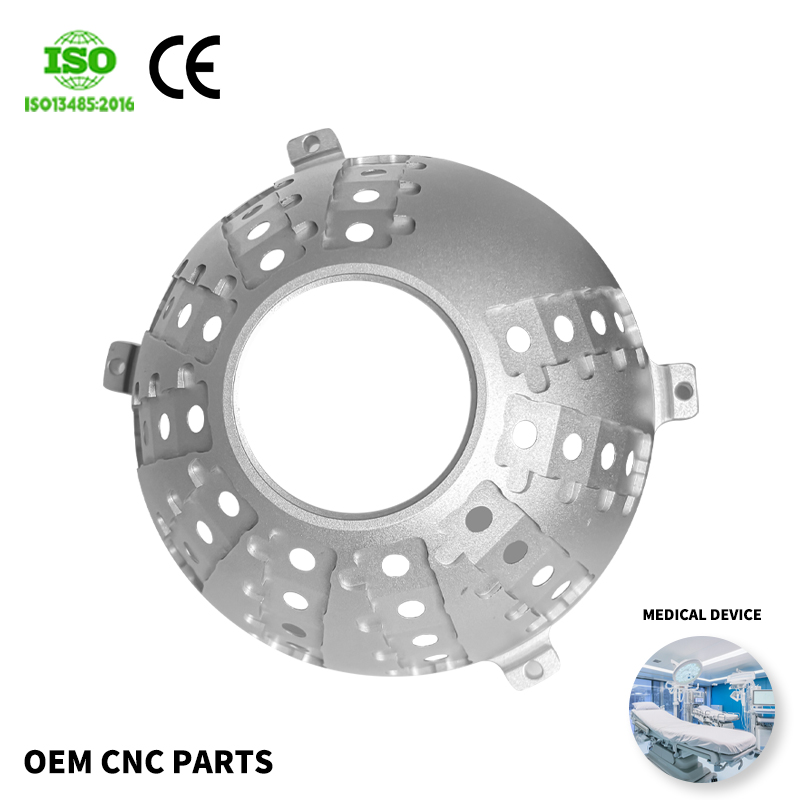
Machining medical parts involves the precision manufacturing of critical components used in healthcare devices and equipment through advanced subtractive processes. This specialized field combines cutting-edge CNC technology with strict quality standards to produce implants, surgical instruments, diagnostic equipment components, and prosthetic devices. Machining medical parts requires exceptional accuracy, biocompatibility, and adherence to rigorous regulatory standards such as ISO 13485 and FDA requirements. The process utilizes materials like titanium, stainless steel, PEEK, and medical-grade plastics that meet stringent safety and performance criteria. Modern machining medical parts operations employ multi-axis CNC mills, Swiss-type lathes, and EDM equipment capable of achieving tolerances within micrometers. These manufacturing capabilities enable the production of complex geometries including threaded bone screws, articulating joints, catheter components, and intricate surgical tool heads. Surface finishing is equally critical, as machining medical parts often requires mirror-polished surfaces or specific roughness parameters to ensure proper tissue integration and minimize bacterial adhesion. Quality assurance throughout the machining medical parts process includes dimensional verification, surface analysis, material certification, and comprehensive documentation. Manufacturers must maintain cleanroom environments and implement traceability systems that track every component from raw material to final delivery. The growing demand for personalized medicine and minimally invasive procedures continues to drive innovation in machining medical parts, with technologies like 5-axis machining and automated inspection systems becoming industry standards for producing life-saving medical devices.