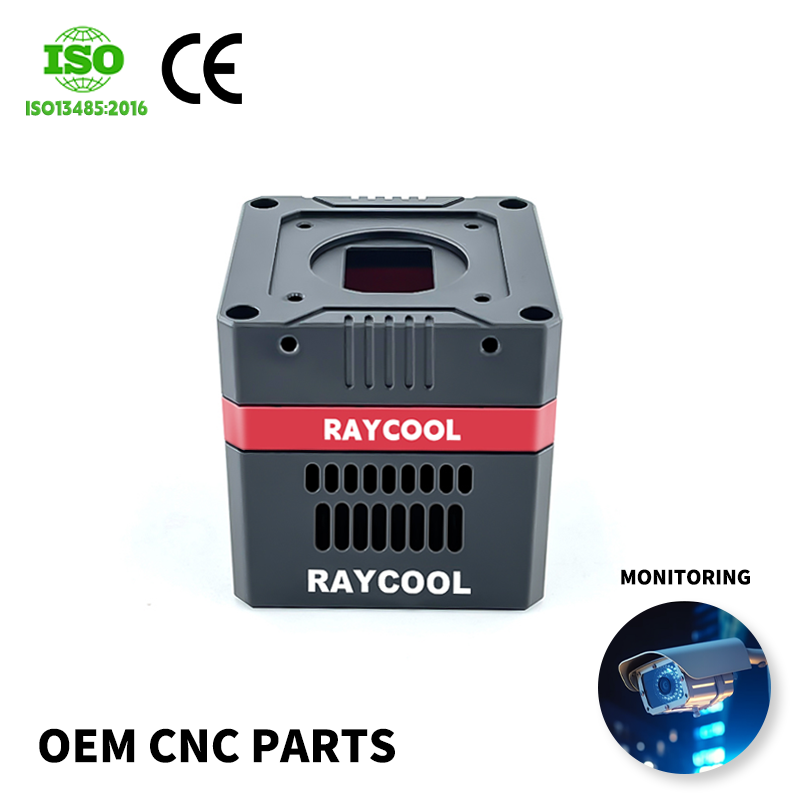
cnc precision turning
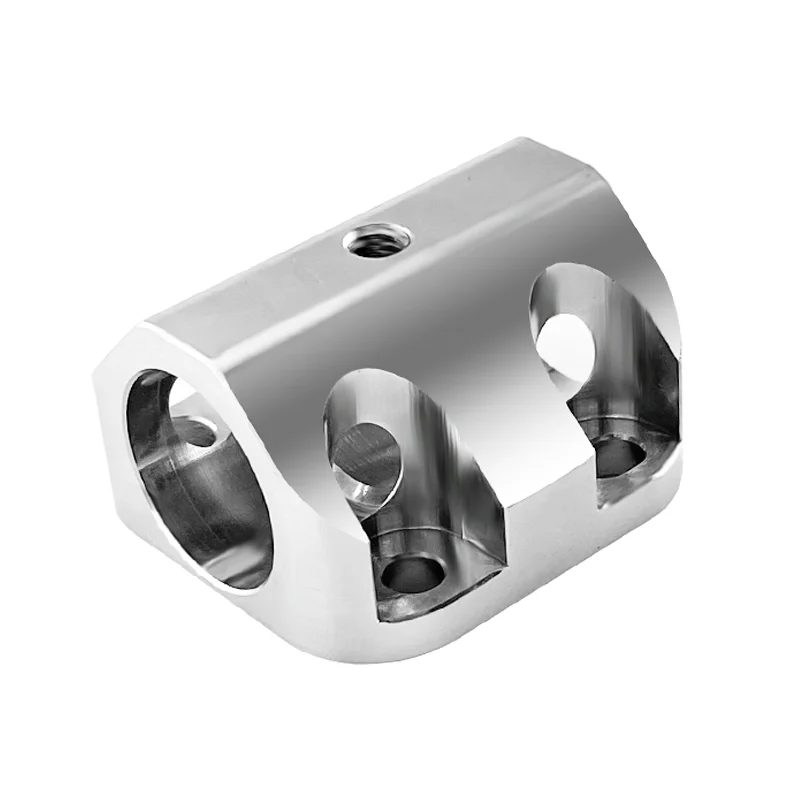
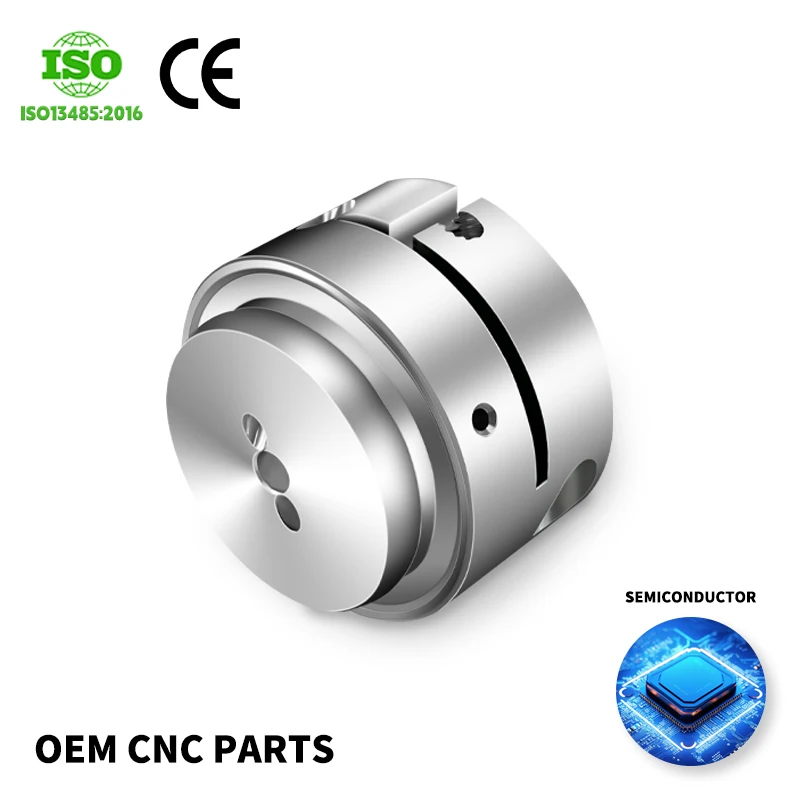
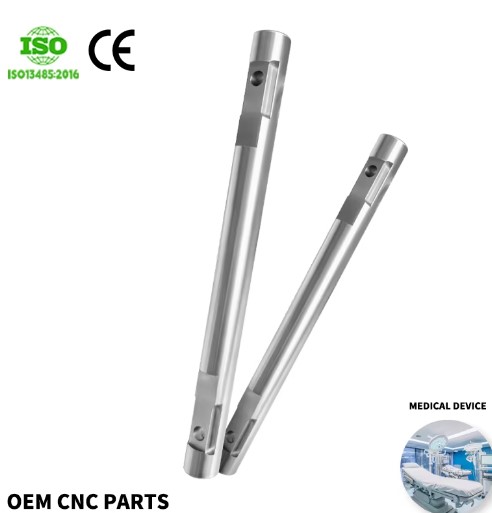
CNC precision turning is an advanced manufacturing process that uses computer-controlled lathes to create highly accurate cylindrical parts and components. This machining method combines sophisticated software programming with automated machinery to produce parts with exceptional dimensional accuracy and surface finish quality. The technology enables manufacturers to transform raw materials such as metal, plastic, and composite materials into precisely engineered components through controlled rotational cutting operations. CNC precision turning operates by securing the workpiece in a rotating spindle while cutting tools move along multiple axes to remove material and shape the part according to programmed specifications. This process excels at producing round or tubular components including shafts, pins, bushings, fittings, and threaded fasteners. The main functions of CNC precision turning include creating complex geometries, maintaining tight tolerances within microns, producing consistent thread patterns, and achieving superior surface finishes. Technological features include multi-axis control systems, automatic tool changers, live tooling capabilities, and real-time quality monitoring systems. Modern CNC precision turning centers incorporate adaptive control technology that adjusts cutting parameters automatically to compensate for tool wear and material variations. Applications span numerous industries including aerospace, automotive, medical device manufacturing, electronics, oil and gas, and industrial machinery production. The versatility of CNC precision turning makes it indispensable for both prototype development and high-volume production runs, delivering precision components that meet stringent quality standards and exact specifications required in critical applications.