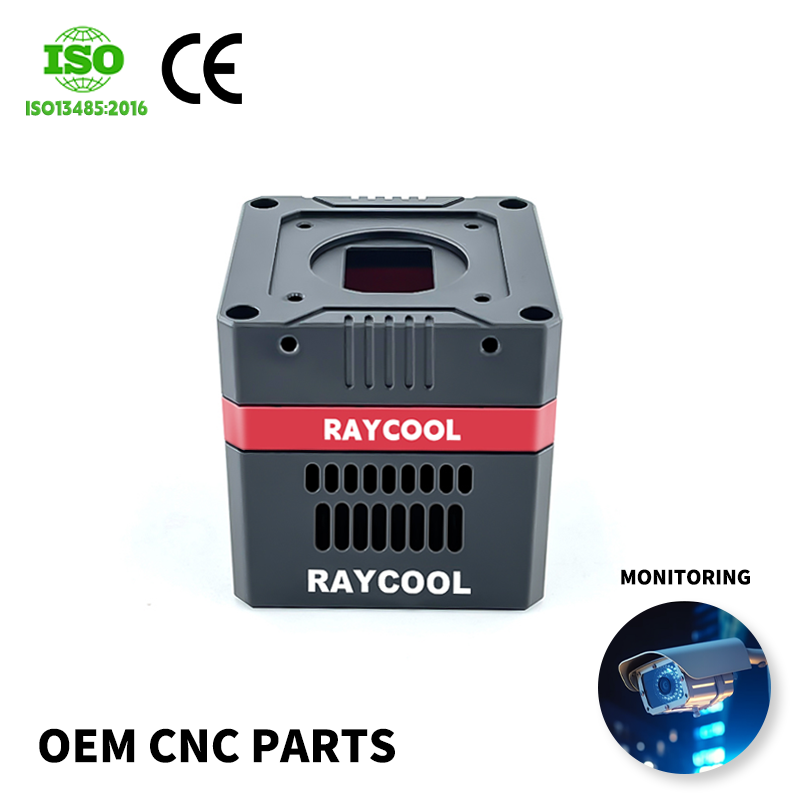
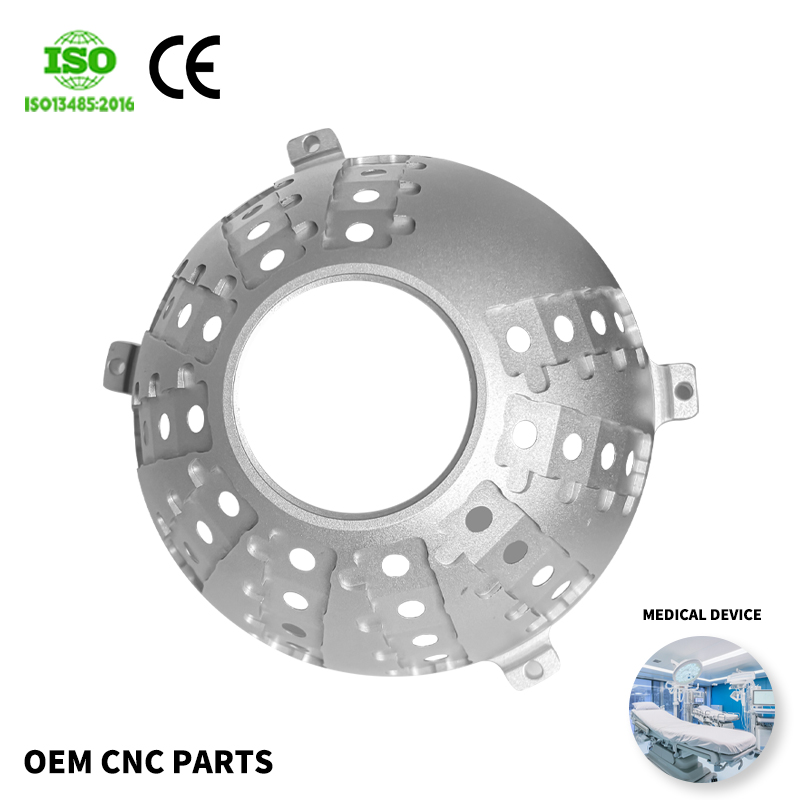
Precision Engineered Components | Manufacturing Excellence

precision engineered components

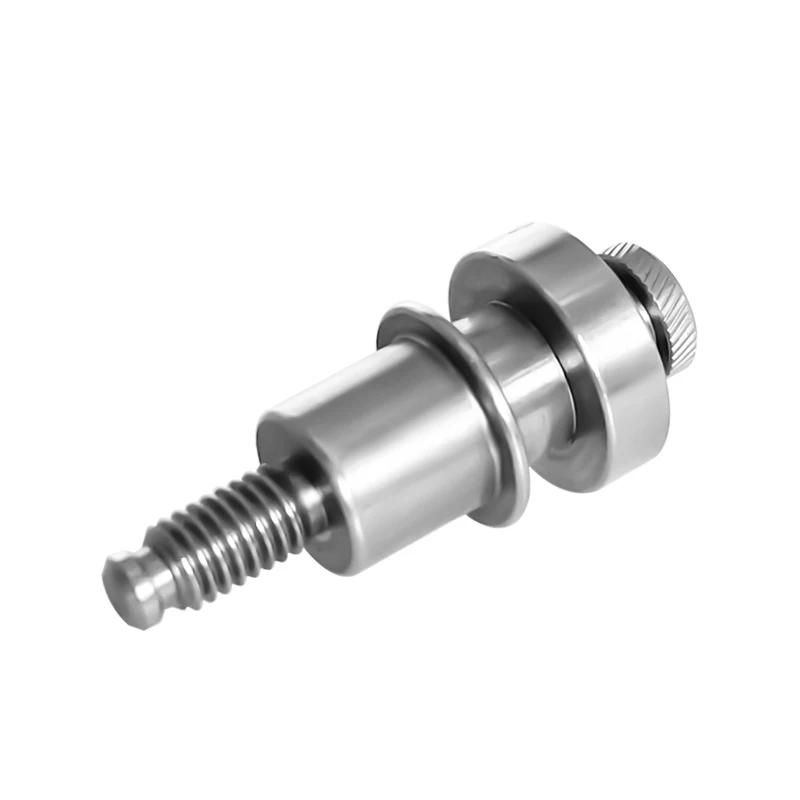
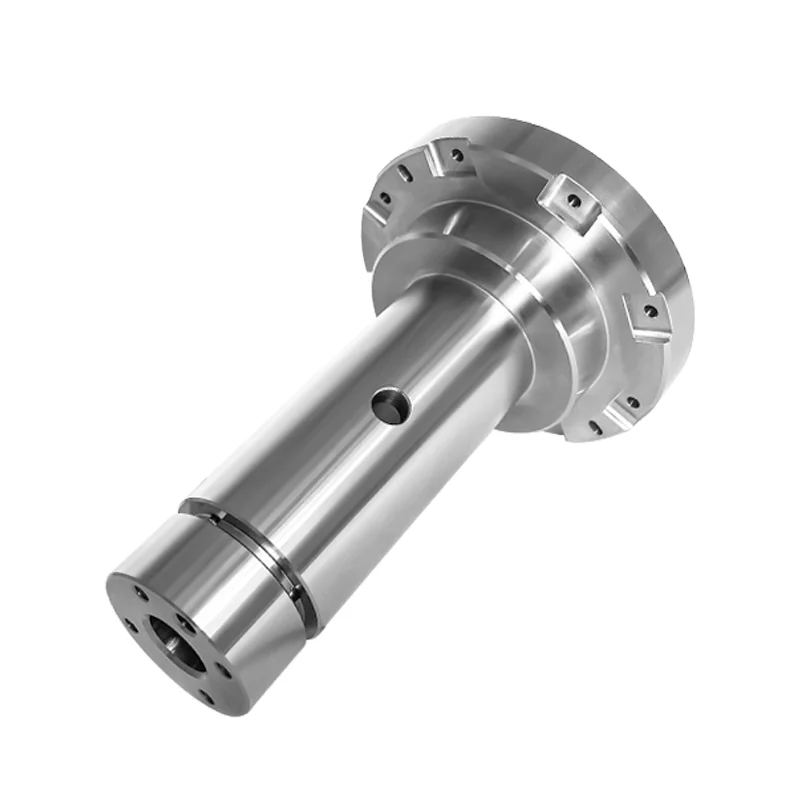
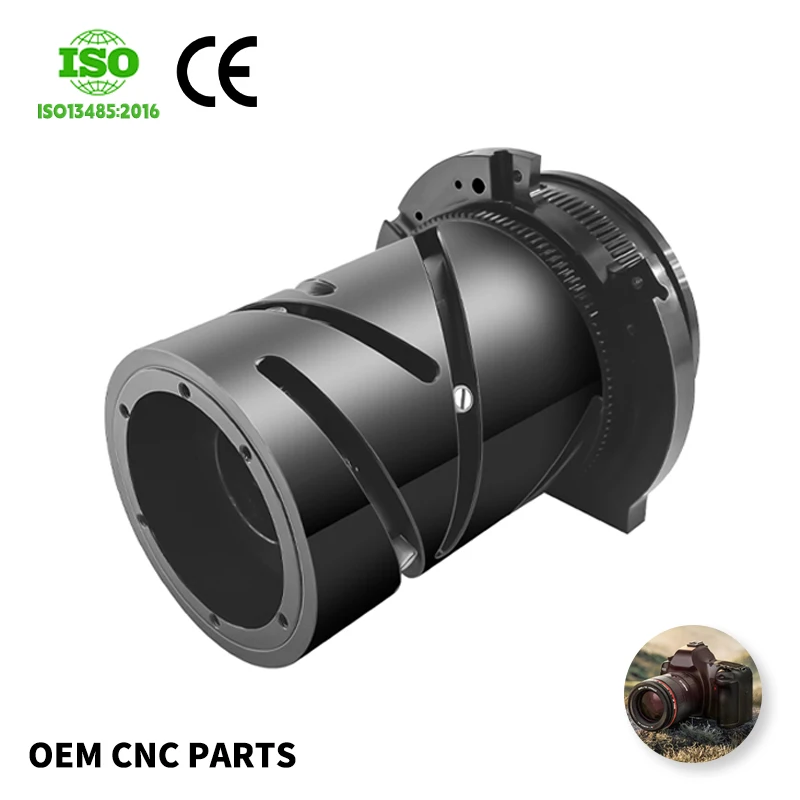
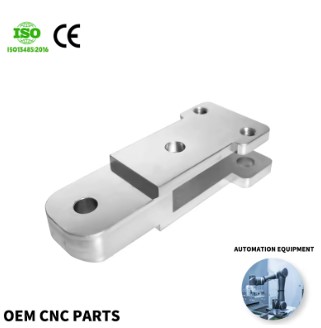
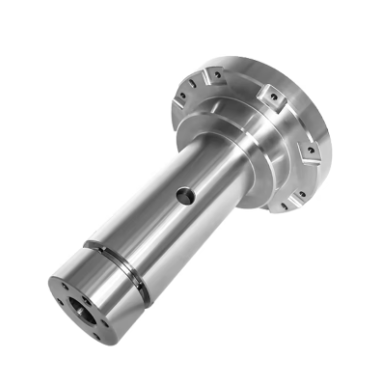
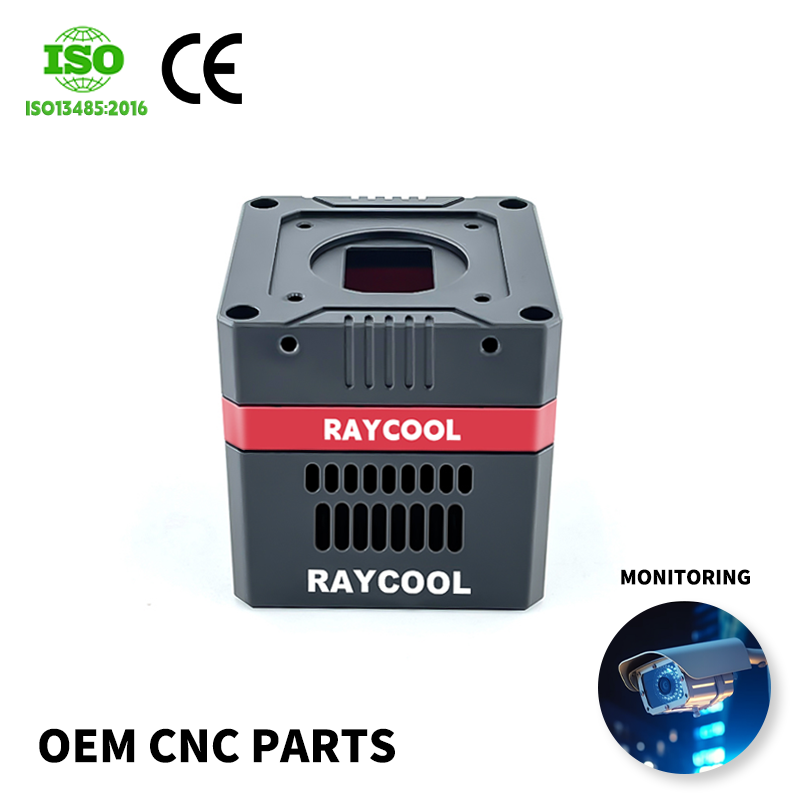
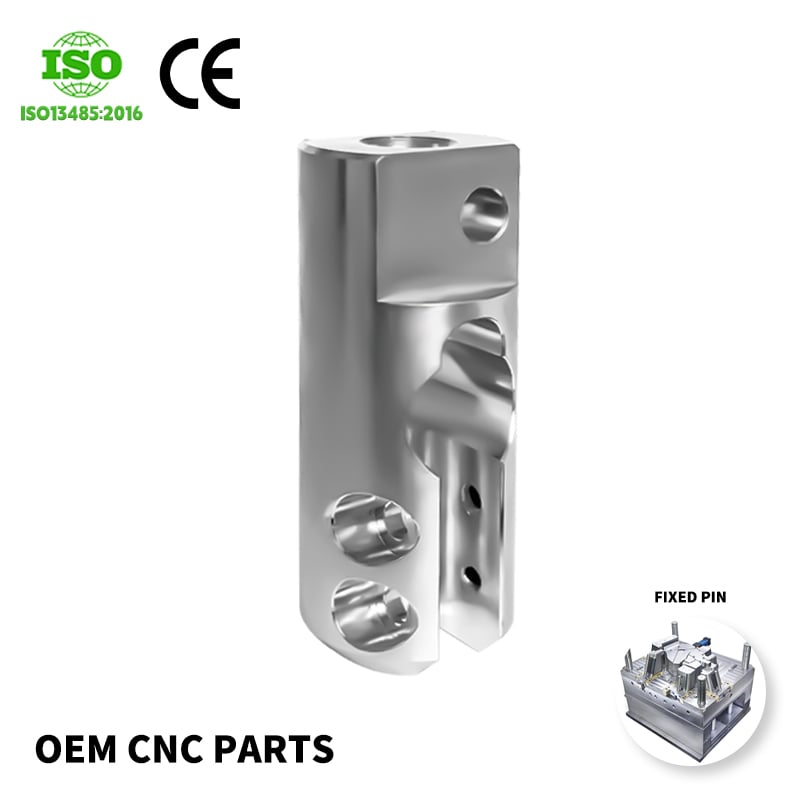
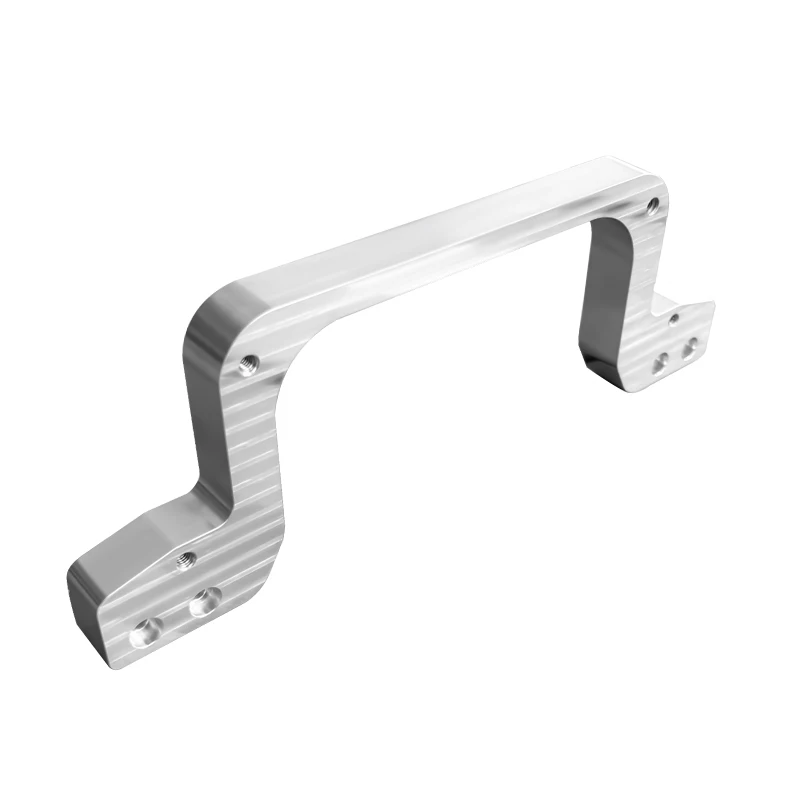
Precision engineered components are specialized parts manufactured to exact specifications using advanced machining processes and stringent quality control measures. These components serve as critical building blocks in countless industrial applications, from aerospace and automotive systems to medical devices and robotics. Manufactured with tight tolerances often measured in microns, precision engineered components ensure reliable performance in demanding environments where accuracy is paramount. The manufacturing process combines computer numerical control machining, advanced materials science, and meticulous inspection protocols to produce parts that meet exacting dimensional and functional requirements. These components encompass a wide range of products including gears, shafts, bearings, bushings, fasteners, housings, and custom-designed parts tailored to specific applications. Modern precision engineered components leverage cutting-edge technologies such as multi-axis CNC machining, electrical discharge machining, and coordinate measuring machines to achieve unprecedented levels of accuracy. The technological features include surface finishes down to nanometer levels, geometric tolerances that ensure perfect fitment, and material properties optimized for strength, wear resistance, and thermal stability. Industries rely on precision engineered components to maintain operational efficiency, reduce downtime, and ensure product quality. Whether supporting high-speed rotating assemblies, providing structural integrity in critical systems, or enabling precise motion control, these components form the foundation of modern manufacturing and engineering excellence, delivering consistency and reliability across millions of operational cycles.

Popular Products

Investing in precision engineered components delivers substantial value through enhanced operational performance and long-term cost savings. These components significantly reduce maintenance requirements because their accurate dimensions and superior surface finishes minimize wear and friction, extending service life far beyond standard parts. Businesses experience fewer unexpected breakdowns and costly production interruptions when using components manufactured to precise specifications. The exceptional dimensional accuracy ensures perfect assembly fitment, eliminating time-consuming adjustments during installation and reducing labor costs. Precision engineered components improve overall system efficiency by minimizing energy losses caused by misalignment, vibration, or excessive clearances. This translates directly to lower operating costs and improved productivity. The consistent quality of these components means predictable performance characteristics, allowing engineers to design systems with confidence and tighter performance margins. Companies benefit from faster time-to-market because precision engineered components integrate seamlessly into assemblies without modification or rework. The superior material selection and heat treatment processes used in manufacturing these parts provide excellent resistance to harsh operating conditions including extreme temperatures, corrosive environments, and high mechanical stresses. Buyers gain competitive advantage through improved product reliability and customer satisfaction. The versatility of precision engineered components makes them suitable for diverse applications, from high-volume automotive production to specialized aerospace projects requiring traceability and certification. Decision-makers appreciate the risk reduction that comes with components backed by comprehensive quality documentation and rigorous testing. Ultimately, choosing precision engineered components represents a strategic investment in operational excellence, product quality, and brand reputation that pays dividends through reduced total cost of ownership and enhanced market position.

Latest News

Future Trends in CNC Machining Precision Parts: What to Expect

26

Nov

Future Trends in CNC Machining Precision Parts: What to Expect

Global CNC Machining Market Growth and Projections Current Valuation and Forecasted Expansion (2023-2030) The global CNC machining market is projected to undergo significant growth, building upon its current valuation of approximately $55.1 billion ...
View More
Optimizing Low-Volume Production with Multi-Process CNC Machining

06

Jan

Optimizing Low-Volume Production with Multi-Process CNC Machining

Manufacturing precision components for specialized industries requires sophisticated approaches that balance quality, efficiency, and cost-effectiveness. Multi-process CNC machining has emerged as a transformative solution for low-volume production r...
View More
CNC Solutions for High-End Industries: Medical and Semiconductor Cases

06

Jan

CNC Solutions for High-End Industries: Medical and Semiconductor Cases

The precision manufacturing landscape has evolved dramatically over recent decades, with 5-axis CNC machined custom parts becoming the cornerstone of advanced industrial applications. Industries such as medical device manufacturing and semiconductor ...
View More
How to Choose Anodized Materials for Industrial Applications?

06

Feb

How to Choose Anodized Materials for Industrial Applications?

Selecting the right anodized materials for industrial applications requires careful consideration of multiple factors that directly impact performance, durability, and cost-effectiveness. Anodized aluminum and other metals have revolutionized manufac...
View More

Get a Free Quote

Our representative will contact you soon.
Email
Name
Company Name
Message
0/1000

precision engineered components

Unmatched Dimensional Accuracy

Unmatched Dimensional Accuracy

Precision engineered components deliver dimensional accuracy that sets new standards in manufacturing excellence. Using state-of-the-art CNC machining centers and advanced metrology equipment, manufacturers achieve tolerances as tight as plus or minus two microns, ensuring components fit together perfectly every time. This extraordinary accuracy eliminates the gaps, misalignments, and inconsistencies that plague standard parts, resulting in assemblies that operate smoothly with minimal vibration and noise. The precision achieved through controlled manufacturing environments and temperature-stable machining processes means that every component matches its design specifications exactly. This consistency is particularly valuable in high-volume production where interchangeability is essential. Engineers can design complex assemblies with confidence, knowing that precision engineered components will perform as specified without requiring selective fitting or manual adjustment. The dimensional stability of these components remains consistent throughout their service life, maintaining critical clearances and relationships even under thermal cycling and mechanical stress. This reliability translates to predictable system performance, reduced scrap rates during assembly, and lower warranty costs. Industries such as aerospace, medical devices, and semiconductor manufacturing depend on this level of precision to meet regulatory requirements and performance specifications that simply cannot be achieved with conventional components.
Superior Material Performance

Superior Material Performance

Precision engineered components utilize carefully selected materials and advanced heat treatment processes to deliver exceptional mechanical properties and durability. Manufacturers choose from high-grade alloys, specialized steels, titanium, ceramics, and engineering polymers based on specific application requirements such as strength-to-weight ratio, corrosion resistance, or thermal stability. Each material undergoes rigorous testing and certification to verify its composition and properties meet demanding specifications. Heat treatment processes including carburizing, nitriding, and vacuum hardening enhance surface hardness while maintaining core toughness, providing components with excellent wear resistance and fatigue life. The superior material quality of precision engineered components means they withstand harsh operating conditions that would quickly degrade standard parts. Components maintain their dimensional integrity and mechanical properties across wide temperature ranges, from cryogenic applications to high-temperature environments exceeding several hundred degrees. Surface treatments and coatings further enhance performance by providing additional protection against corrosion, friction, and chemical attack. This comprehensive approach to material engineering ensures precision engineered components deliver reliable performance over extended service intervals, reducing replacement frequency and maintenance costs. The traceable material certifications accompanying these components provide quality assurance and documentation essential for regulated industries and critical applications where component failure could have serious consequences.
Comprehensive Quality Assurance

Comprehensive Quality Assurance

Precision engineered components undergo extensive quality control processes that verify every critical dimension, surface finish, and performance characteristic before delivery. Manufacturing facilities employ advanced inspection technologies including coordinate measuring machines, optical comparators, surface profilometers, and non-destructive testing methods to validate component quality at multiple production stages. Statistical process control techniques monitor manufacturing trends and detect variations before they produce out-of-specification parts, ensuring consistent quality across production runs. Each precision engineered component is traceable through comprehensive documentation that records material certifications, manufacturing parameters, inspection results, and quality approvals. This documentation provides the audit trail required for aerospace, medical, and automotive applications where regulatory compliance is mandatory. First article inspection reports validate that new components meet all drawing requirements before full production begins. Manufacturers of precision engineered components typically maintain ISO certifications and industry-specific quality standards demonstrating their commitment to excellence. The rigorous quality assurance processes eliminate defective parts from reaching customers, reducing costly field failures and protecting brand reputation. Buyers receive components with certified performance characteristics and dimensional accuracy, enabling them to assemble products with confidence. This comprehensive quality approach differentiates precision engineered components from commodity parts and justifies their value through proven reliability and reduced total cost of ownership.

Get a Free Quote

Our representative will contact you soon.
Email
Name
Company Name
Message
0/1000

Copyright © 2026 China Shanghai Raycool Industrial Co., Ltd. All rights reserved  -  Privacy policy