Expert Precision Machining Services | CNC Solutions

precision machining services

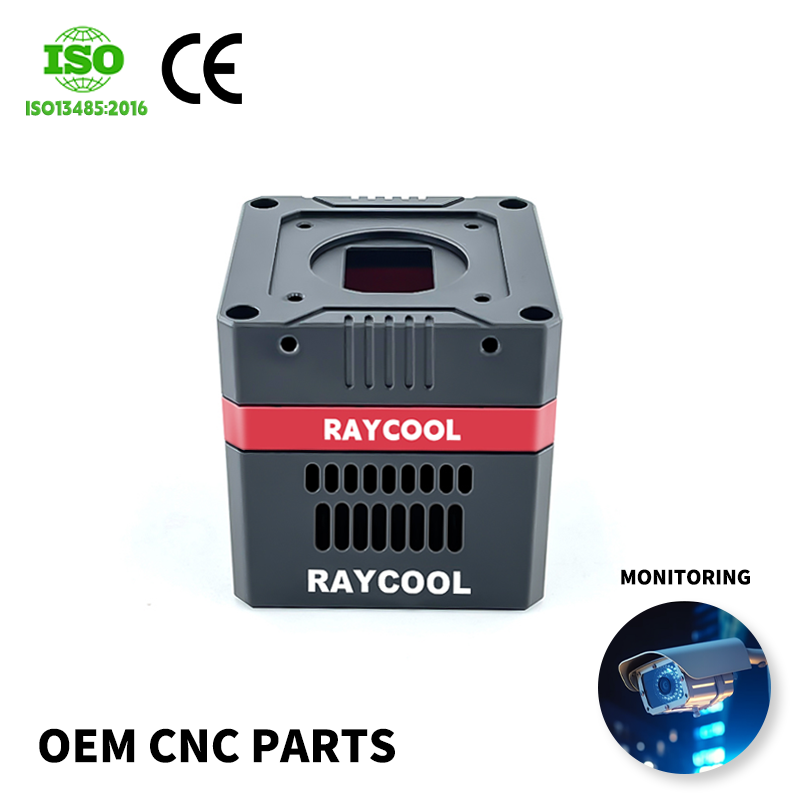
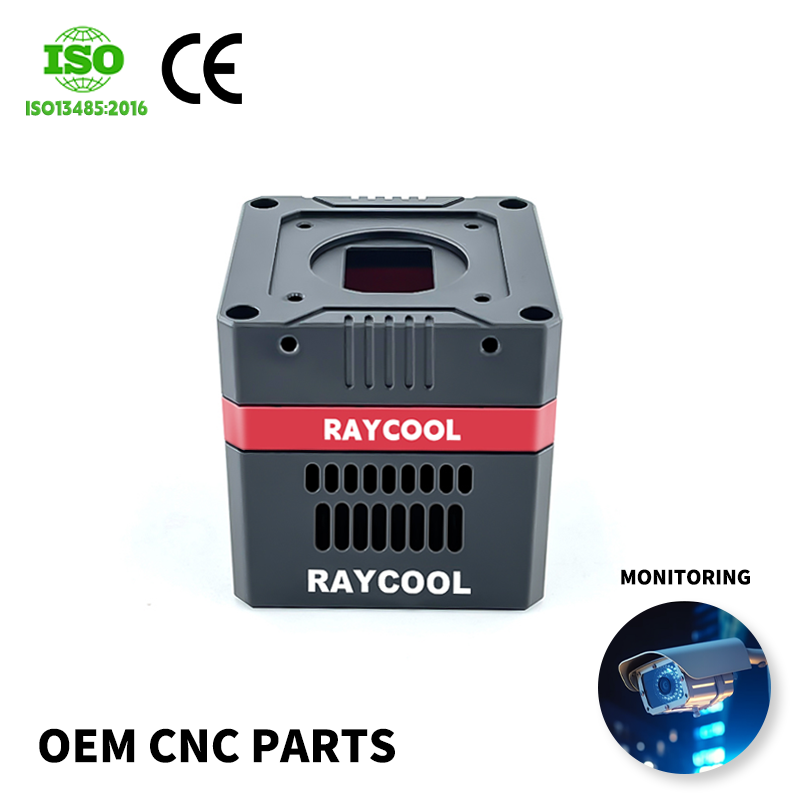
Precision machining services encompass specialized manufacturing processes that create components with exceptionally tight tolerances and superior surface finishes. These services utilize advanced computer numerical control equipment, multi-axis milling centers, turning machines, and grinding systems to transform raw materials into finished parts with dimensional accuracy measured in microns. The main functions include removing excess material through cutting, drilling, boring, and shaping operations while maintaining exact specifications throughout production. Precision machining services employ cutting-edge technologies such as computer-aided design integration, automated tool changers, real-time quality monitoring systems, and adaptive machining algorithms that adjust parameters during operation. These technological features enable manufacturers to produce complex geometries, intricate internal channels, and detailed surface textures that conventional methods cannot achieve. Applications span across aerospace components requiring lightweight strength ratios, medical devices demanding biocompatible surface properties, automotive parts needing durability under extreme conditions, electronics housings requiring electromagnetic shielding properties, and defense systems where reliability is paramount. The services accommodate various materials including aluminum alloys, stainless steel grades, titanium compounds, brass, bronze, exotic metals, engineering plastics, and composite materials. Production capabilities range from prototype development and low-volume custom fabrication to high-volume manufacturing runs with consistent repeatability. Quality assurance protocols incorporate coordinate measuring machines, optical comparators, surface roughness testers, and statistical process control methodologies to verify every dimension meets specified requirements before delivery.

New Product Recommendations

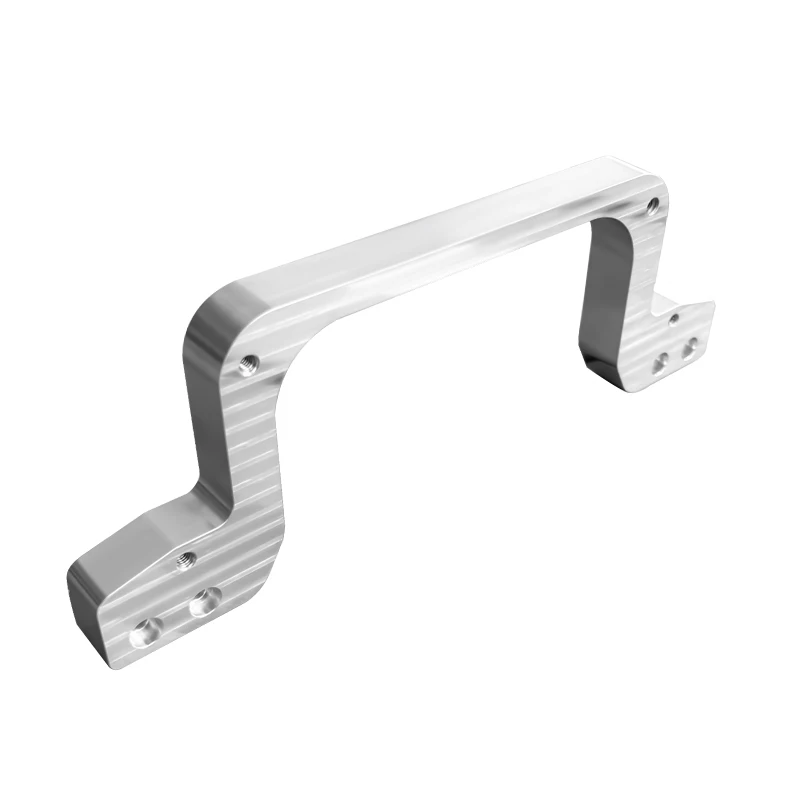
Choosing precision machining services provides significant cost advantages by reducing material waste through optimized cutting strategies and eliminating expensive secondary operations. You receive parts that fit correctly the first time, avoiding costly rework, assembly delays, and product failures in the field. The exceptional dimensional accuracy ensures interchangeable components that simplify inventory management and streamline assembly processes across your production lines. Operational benefits include faster turnaround times through efficient programming, automated setups, and continuous unmanned production capabilities that maximize equipment utilization. You gain access to engineering expertise that helps optimize designs for manufacturability, suggesting modifications that reduce production costs while maintaining functionality. The consistent quality across production batches minimizes inspection requirements and builds confidence in supply chain reliability. Application suitability extends to demanding environments where performance tolerances directly impact safety, efficiency, and longevity of finished products. Whether producing heat exchangers requiring precise flow channels, surgical instruments needing sterile smooth surfaces, or aerospace brackets demanding specific weight distributions, precision machining services deliver appropriate solutions. Decision-making becomes easier when you understand that modern facilities maintain quality certifications, traceability documentation, and compliance with industry standards relevant to your sector. The flexibility to handle rush orders, accommodate design changes mid-production, and scale volumes according to market demands provides strategic advantages in competitive markets. Investment in precision machining services ultimately strengthens your product quality reputation, reduces warranty claims, and supports innovation by making previously impossible designs achievable through advanced manufacturing capabilities that conventional shops cannot match.

Tips And Tricks

How to Machine Aluminum Alloys for High-Precision Industrial Parts

05

Dec

How to Machine Aluminum Alloys for High-Precision Industrial Parts

Aluminum alloy machining has become an essential process in modern manufacturing, particularly for industries requiring lightweight yet durable components. The unique properties of aluminum alloys make them ideal for applications ranging from aerospa...
View More
Surface Finish and Tolerance Control for Aluminum in CNC Fabrication

05

Dec

Surface Finish and Tolerance Control for Aluminum in CNC Fabrication

Modern manufacturing demands exceptional precision, particularly when working with aluminum components that require tight tolerances and superior surface finishes. The aluminum CNC fabrication process has evolved dramatically over recent years, incor...
View More
How to Choose Between CNC Turning, Milling, and 5-Axis for Your Part

06

Jan

How to Choose Between CNC Turning, Milling, and 5-Axis for Your Part

Manufacturing precision components requires careful consideration of machining processes, with CNC turning milling 5-axis representing the three fundamental approaches to modern subtractive manufacturing. Each method offers distinct advantages and li...
View More
How to Choose Anodized Materials for Industrial Applications?

06

Feb

How to Choose Anodized Materials for Industrial Applications?

Selecting the right anodized materials for industrial applications requires careful consideration of multiple factors that directly impact performance, durability, and cost-effectiveness. Anodized aluminum and other metals have revolutionized manufac...
View More

Get a Free Quote

Our representative will contact you soon.
Email
Name
Company Name
Message
0/1000

precision machining services

Advanced Multi-Axis Machining Capabilities

Advanced Multi-Axis Machining Capabilities

Precision machining services utilize sophisticated five-axis and six-axis machining centers that simultaneously control multiple cutting tool orientations, enabling production of complex three-dimensional geometries in single setups. This advanced capability eliminates multiple repositioning operations that introduce cumulative errors and extend production timelines. The technology allows cutting tools to approach workpieces from optimal angles, accessing difficult features like undercuts, angled holes, and sculptured surfaces that would require specialized fixtures or multiple operations on conventional equipment. You benefit from improved surface finish quality because continuous tool paths reduce witness marks and transition lines visible on parts machined through multiple setups. The reduction in handling between operations decreases opportunities for damage, contamination, or dimensional shifts that compromise final part quality. Complex medical implants, turbine blades with twisted geometries, and mold cavities with intricate details become economically feasible. Programming sophistication includes collision avoidance algorithms and simulation software that verifies tool paths before actual cutting begins, protecting expensive workpieces and equipment. This multi-axis precision machining services approach significantly shortens lead times for prototype development and small batch production while maintaining the accuracy demanded by critical applications.
Micron-Level Tolerance Achievement

Micron-Level Tolerance Achievement

Precision machining services consistently achieve tolerances within five microns, delivering dimensional control that exceeds standard manufacturing capabilities by significant margins. This exceptional accuracy results from temperature-controlled production environments, thermally stable machine construction, high-resolution feedback systems, and rigorous calibration protocols maintained throughout operations. You receive components where mating surfaces align perfectly, sliding mechanisms operate smoothly without binding, and assemblies function exactly as designed without adjustment or fitting. The micron-level precision proves essential for hydraulic valve bodies where internal clearances affect flow characteristics, bearing housings where interference fits must fall within narrow ranges, and optical components where surface alignment impacts performance. Quality measurement systems incorporate laser interferometry, probe scanning technology, and coordinate measuring machines operating in climate-controlled inspection rooms to verify dimensions match specifications. Statistical process control monitors machining parameters continuously, triggering alerts when trends indicate potential deviation before parts fall outside tolerance bands. This proactive approach combined with skilled machinists interpreting data ensures precision machining services maintain capability indices that satisfy stringent customer requirements. The investment in measurement infrastructure and process discipline translates directly into reduced scrap rates, eliminated field failures, and confidence that every delivered component performs its intended function reliably.
Material Versatility and Surface Finish Excellence

Material Versatility and Surface Finish Excellence

Precision machining services process an extensive range of materials from soft aluminum alloys to hardened tool steels, exotic titanium grades, and challenging plastics, each requiring specialized cutting strategies, tool selections, and parameter optimizations. This versatility enables you to specify materials based purely on functional requirements rather than manufacturing limitations, supporting optimal designs that balance strength, weight, corrosion resistance, thermal properties, and cost considerations. Surface finish capabilities extend from rough machined textures for adhesive bonding to mirror polishes below 0.2 micron Ra values for sealing surfaces and aesthetic components. The expertise encompasses understanding how different materials respond to cutting forces, heat generation, and tool wear patterns, then adjusting speeds, feeds, coolant application, and cutting paths accordingly. Precision machining services apply specialized treatments including deburring, passivation, anodizing preparation, and cleaning protocols appropriate to each material and application. You avoid the complications of coordinating multiple suppliers for different materials or finish requirements, streamlining procurement and ensuring consistent quality standards across diverse component types. This comprehensive material handling capability particularly benefits industries like medical device manufacturing where biocompatible titanium, stainless steel, and PEEK plastics all appear in single assemblies, or aerospace applications mixing aluminum structures with steel fasteners and composite interface components.

Get a Free Quote

Our representative will contact you soon.
Email
Name
Company Name
Message
0/1000

Copyright © 2026 China Shanghai Raycool Industrial Co., Ltd. All rights reserved  -  Privacy policy