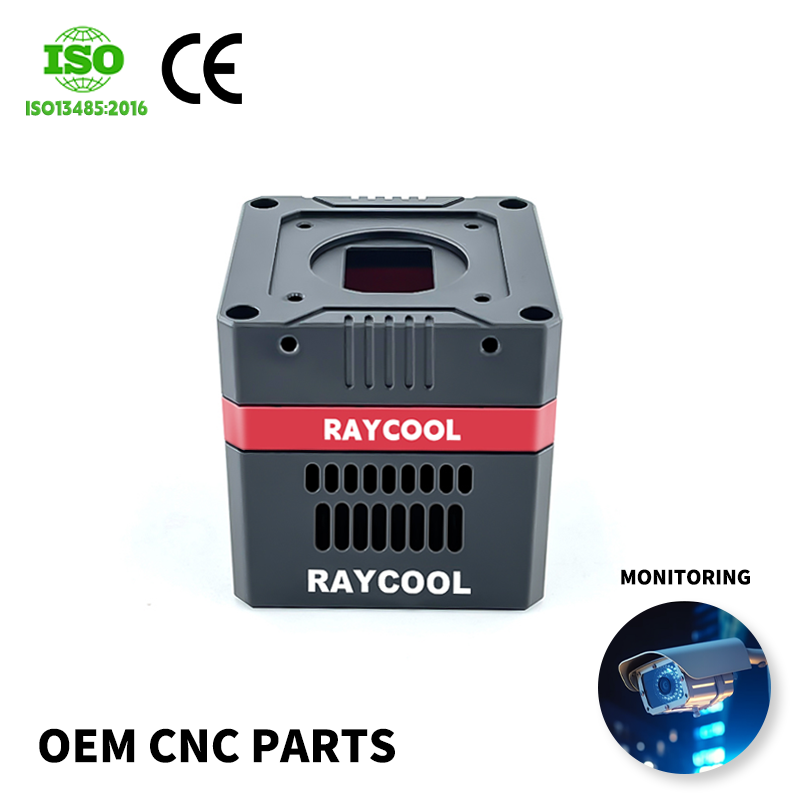
prototype machined parts
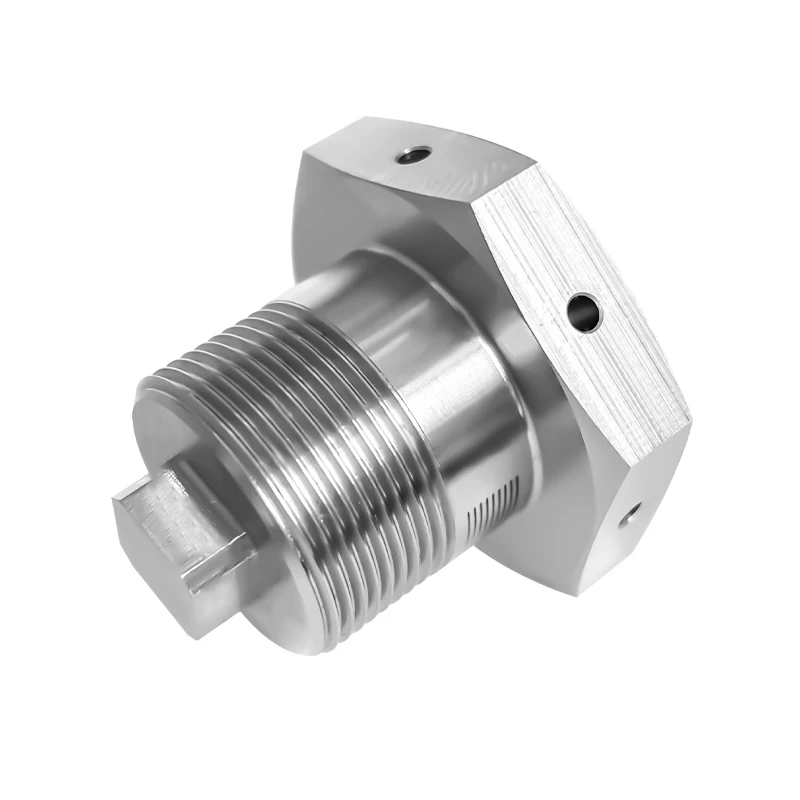
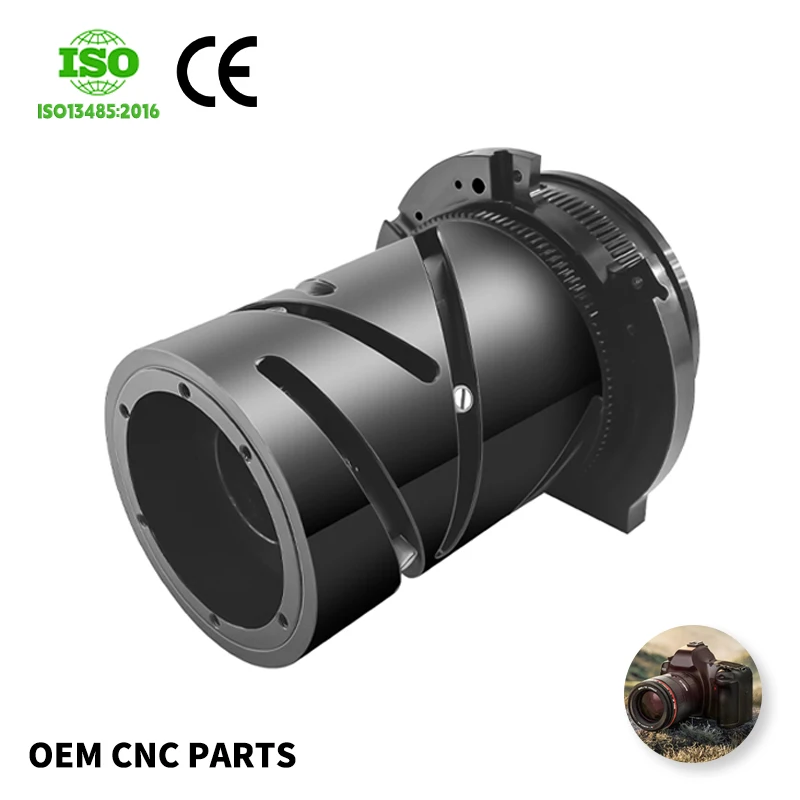
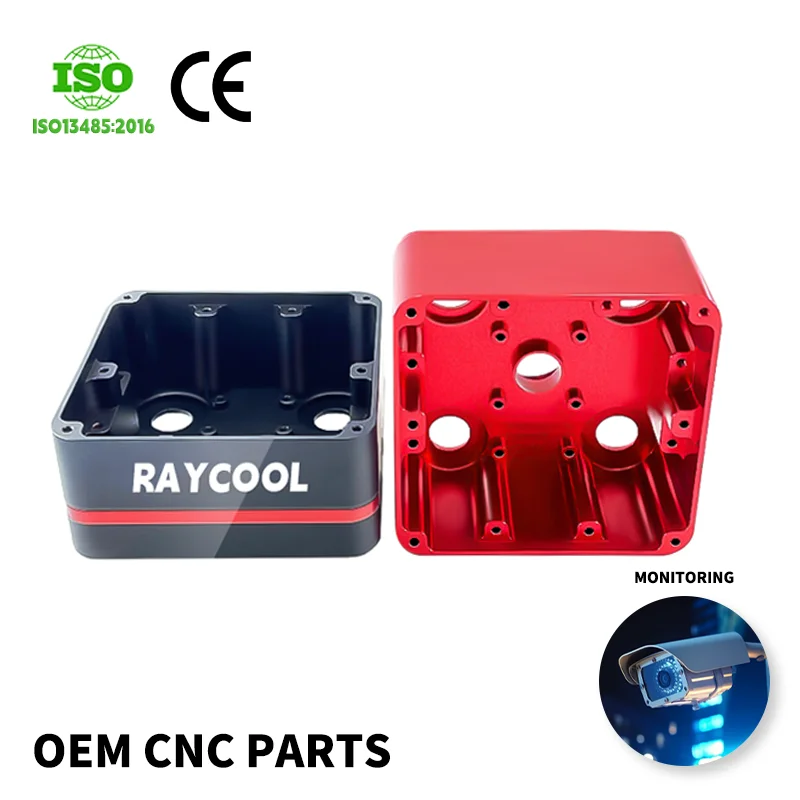
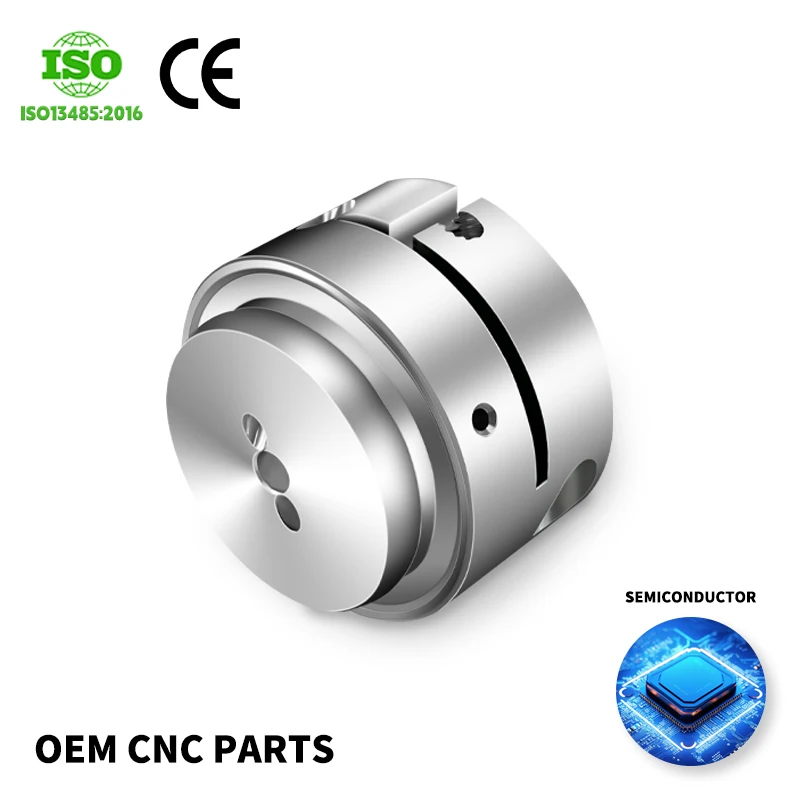
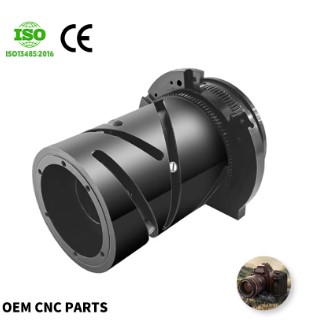
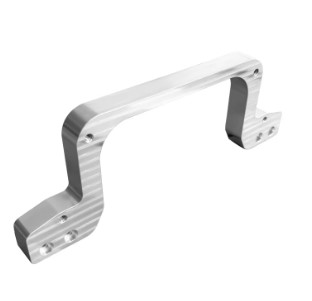
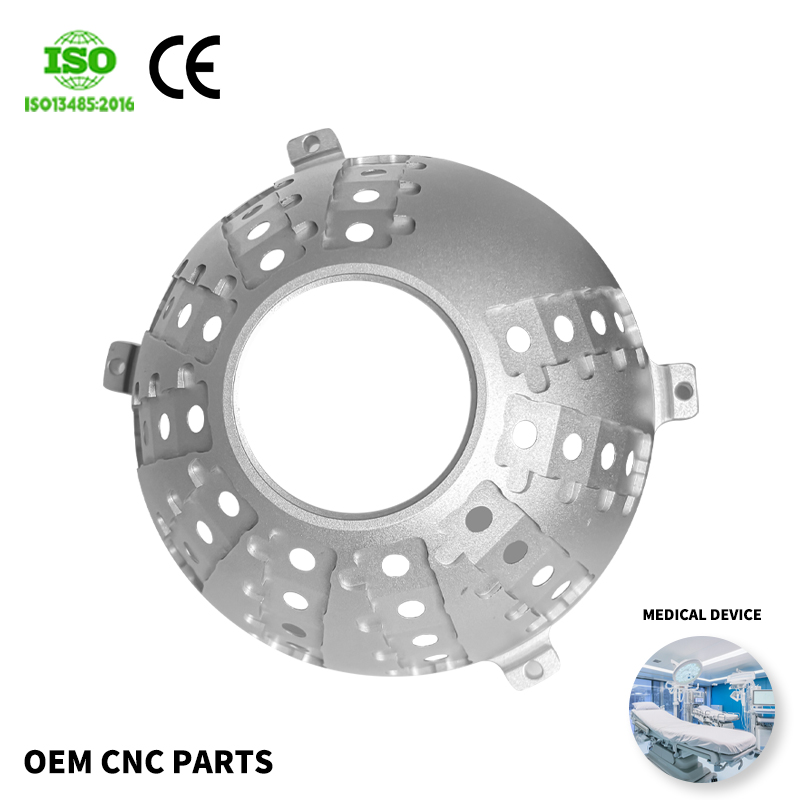
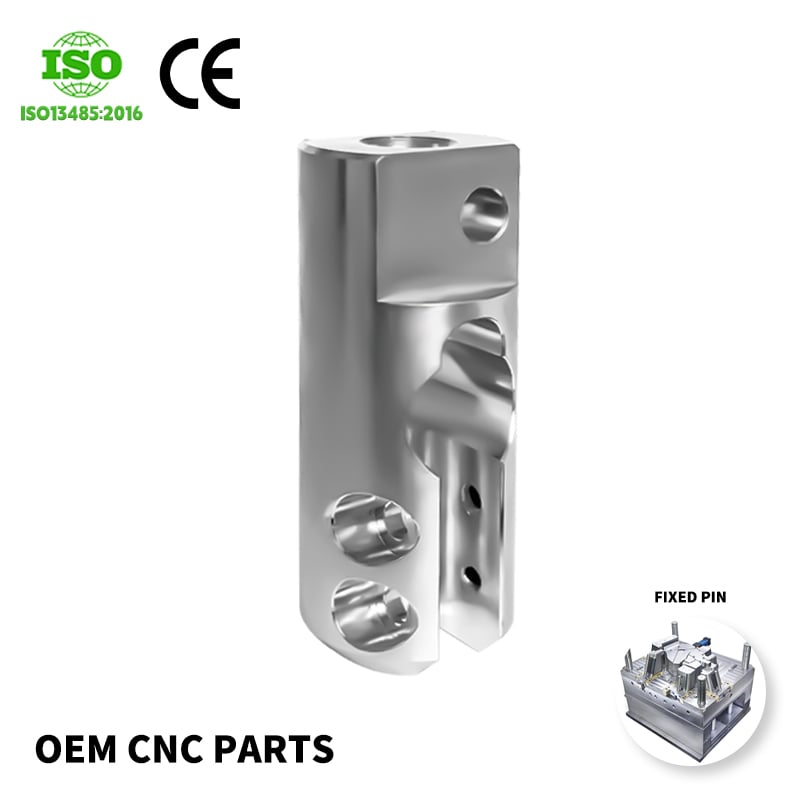
Prototype machined parts are precision-engineered components manufactured through CNC machining, milling, turning, and other subtractive manufacturing processes to create functional samples before full-scale production. These parts serve as critical testing tools that allow engineers and product developers to validate design concepts, assess functionality, and identify potential improvements early in the development cycle. Prototype machined parts are typically produced in small quantities, often ranging from a single unit to several dozen pieces, enabling rapid iteration and design refinement. The manufacturing process utilizes advanced computer-controlled equipment to achieve tight tolerances and complex geometries from various materials including metals, plastics, and composites. Companies across industries rely on prototype machined parts to reduce development risks, shorten time-to-market, and ensure that final products meet exact specifications before committing to expensive production tooling. These components provide tangible representations of digital designs, allowing stakeholders to conduct physical testing, fit checks, and performance evaluations. By producing prototype machined parts, businesses can detect design flaws, optimize manufacturability, and gather valuable feedback from testing teams and potential customers. The process bridges the gap between concept and reality, transforming CAD models into physical objects that can be held, tested, and refined. Whether for automotive applications, aerospace systems, medical devices, or consumer electronics, prototype machined parts enable informed decision-making and confident progression toward full production.