Rapid Prototyping CNC Machining Solutions

rapid prototyping cnc machining

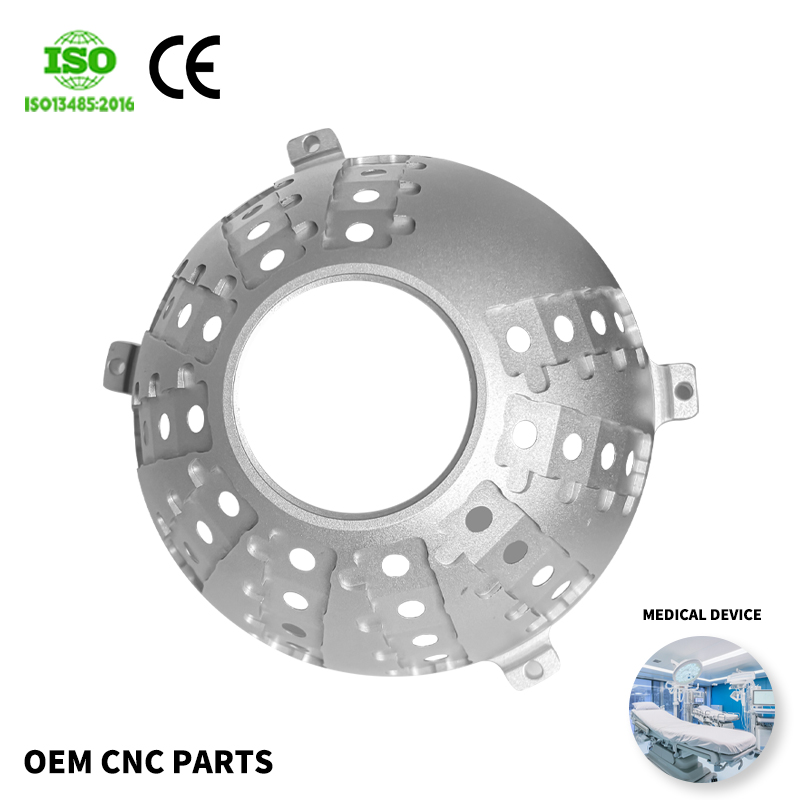
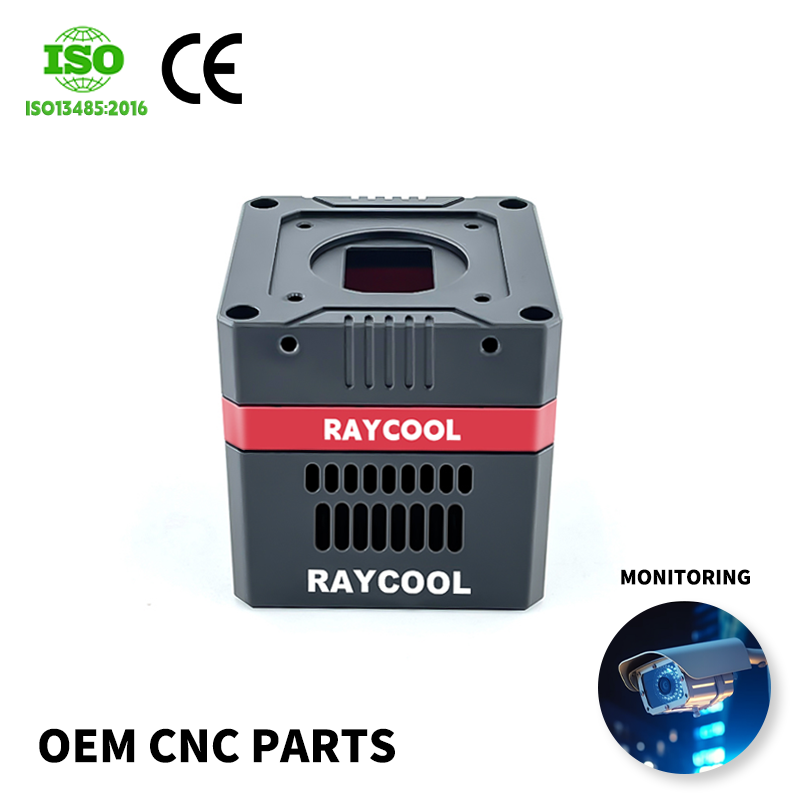
Rapid prototyping CNC machining is an advanced manufacturing process that combines computer numerical control technology with accelerated production methods to create precise physical parts and components quickly. This innovative approach transforms digital CAD designs into tangible prototypes through subtractive manufacturing, where material is removed from solid blocks using automated cutting tools. The main functions include producing functional prototypes, testing design concepts, validating product performance, and creating small-batch production runs before full-scale manufacturing. Rapid prototyping CNC machining utilizes multi-axis milling machines, turning centers, and specialized cutting tools to achieve tight tolerances and superior surface finishes. Technological features encompass high-precision machining capabilities with tolerances down to 0.001 inches, compatibility with diverse materials including metals, plastics, and composites, and automated tool-changing systems that reduce setup times. The process supports complex geometries, intricate details, and various finishing options. Applications span multiple industries, from aerospace and automotive sectors requiring lightweight structural components to medical device manufacturers needing biocompatible parts. Product development teams leverage rapid prototyping CNC machining for form-fit-function testing, while engineering departments use it for validation testing and design iteration. The technology serves startups launching new products, established manufacturers optimizing existing designs, and research institutions developing innovative solutions. This manufacturing method bridges the gap between initial concept and final production, enabling faster time-to-market and reducing development risks.

New Product Releases

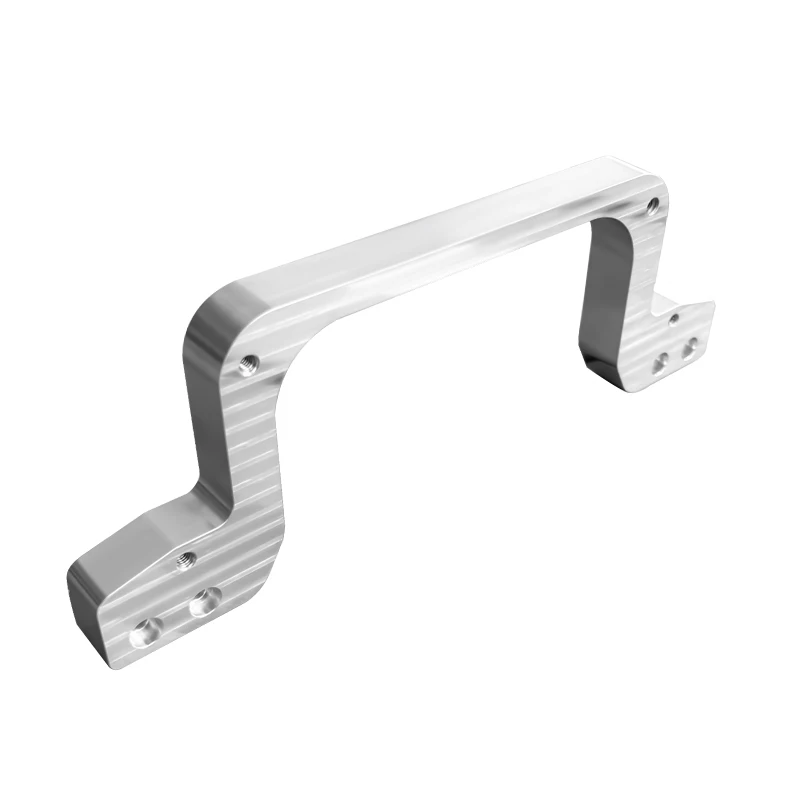
Choosing rapid prototyping CNC machining delivers immediate time savings by producing functional parts within days rather than weeks, allowing businesses to accelerate product development cycles and respond quickly to market demands. The process eliminates expensive tooling requirements associated with traditional manufacturing methods, making it cost-effective for low-volume production and design iterations. Companies can test multiple design variations without significant financial commitment, reducing overall development expenses. The exceptional precision achieved through rapid prototyping CNC machining ensures parts meet exact specifications, which proves critical for assemblies requiring tight tolerances and perfect component integration. This accuracy minimizes costly rework and enhances product quality from the prototype stage. Material versatility represents another practical benefit, as the technology works with production-grade materials, enabling realistic testing under actual operating conditions. Engineers can evaluate mechanical properties, durability, and performance characteristics using the same materials intended for final production. The ability to identify and correct design flaws early prevents expensive modifications during mass production. Operational benefits include flexible production scheduling, quick design modifications, and seamless scaling from prototype to production quantities. Businesses maintain better inventory control and reduce storage costs by manufacturing parts on-demand. Rapid prototyping CNC machining suits applications requiring functional testing, aesthetic evaluation, market validation, and technical demonstrations. Decision-makers gain confidence through physical prototypes that stakeholders can examine, test, and approve before committing to large production runs. This tangible validation reduces investment risks and improves communication between design teams, management, and clients. The technology empowers innovation by allowing experimentation without prohibitive costs or extended timelines.

Practical Tips

Choosing CNC Aluminium Parts for Research and Development

26

Nov

Choosing CNC Aluminium Parts for Research and Development

Why CNC Aluminium Parts Excel in Research and Development Superior Strength-to-Weight Ratio for Prototyping CNC aluminium parts are crucial for creating lightweight prototypes that maintain strength and durability. Their exceptional strength-to-weig...
View More
CNC Machining Guide: Turning, Milling, and 5-Axis Processes Explained

06

Jan

CNC Machining Guide: Turning, Milling, and 5-Axis Processes Explained

CNC machining represents the backbone of modern manufacturing, transforming raw materials into precision components through computer-controlled cutting processes. This advanced manufacturing technique has revolutionized industries from aerospace to m...
View More
CNC Machining Process Guide: Turning, Milling, and 5-Axis Explained

06

Feb

CNC Machining Process Guide: Turning, Milling, and 5-Axis Explained

Modern manufacturing relies heavily on precision engineering and automated production techniques. CNC machining stands at the forefront of this technological revolution, transforming raw materials into complex components with exceptional accuracy. Fr...
View More
Key Considerations When Sourcing Anodized Parts from Manufacturers?

06

Feb

Key Considerations When Sourcing Anodized Parts from Manufacturers?

Manufacturing industries increasingly rely on anodized components to enhance product durability, aesthetic appeal, and corrosion resistance. The anodizing process creates a protective oxide layer on aluminum surfaces, making these parts essential for...
View More

Get a Free Quote

Our representative will contact you soon.
Email
Name
Company Name
Message
0/1000

rapid prototyping cnc machining

Speed and Efficiency in Development Cycles

Speed and Efficiency in Development Cycles

Rapid prototyping CNC machining dramatically shortens the timeline from concept to physical prototype, enabling businesses to maintain competitive advantages in fast-moving markets. Traditional manufacturing methods often require weeks or months to produce initial samples, but this advanced approach delivers precision parts in 24 to 72 hours depending on complexity. The accelerated turnaround empowers product development teams to conduct multiple design iterations quickly, refining features based on actual testing rather than theoretical assumptions. Engineers can evaluate form, fit, and function in real-world conditions, gathering actionable feedback that informs design improvements. This speed advantage proves particularly valuable when facing tight product launch deadlines or responding to competitive pressures. Companies can test market reception with working prototypes before finalizing designs, reducing the risk of costly product failures. The efficiency extends beyond initial prototyping, as rapid prototyping CNC machining supports agile manufacturing philosophies where designs evolve based on continuous testing and customer input. Organizations implementing this technology report shorter development cycles, faster time-to-market, and improved ability to capitalize on emerging opportunities.
Cost-Effective Prototyping Without Tooling Investment

Cost-Effective Prototyping Without Tooling Investment

Rapid prototyping CNC machining eliminates the substantial upfront costs associated with creating molds, dies, and specialized tooling required by conventional manufacturing processes. This financial advantage makes prototype development accessible to startups, small businesses, and enterprise innovation teams working within budget constraints. Traditional methods demand significant capital investment before producing a single part, creating barriers to experimentation and design exploration. In contrast, rapid prototyping CNC machining operates directly from digital files, allowing unlimited design modifications without additional tooling expenses. Companies can afford to test multiple concept variations, compare alternative approaches, and refine designs based on performance data rather than committing prematurely to a single direction. The pay-per-part model aligns costs with actual needs, eliminating waste from overproduction or obsolete inventory. Budget predictability improves as organizations pay only for materials and machine time rather than absorbing fixed tooling costs. This economic efficiency extends throughout the product development lifecycle, enabling businesses to allocate resources toward innovation, market research, and quality improvements rather than manufacturing infrastructure. The financial flexibility empowers decision-makers to pursue ambitious projects and explore creative solutions.
Production-Grade Materials for Realistic Testing

Production-Grade Materials for Realistic Testing

Rapid prototyping CNC machining distinguishes itself by working with actual production materials, providing authentic performance data that placeholder materials cannot deliver. Engineers can machine prototypes from aluminum, stainless steel, titanium, engineering plastics, and advanced composites identical to those planned for final manufacturing. This material authenticity ensures testing results accurately predict how products will perform in real-world applications, eliminating surprises during production scale-up. Mechanical properties including strength, flexibility, thermal resistance, and chemical compatibility can be thoroughly evaluated using functional prototypes. Medical device developers verify biocompatibility, aerospace engineers assess weight-to-strength ratios, and automotive designers test durability under stress conditions using representative materials. The ability to conduct meaningful validation testing reduces technical risks and builds confidence in design decisions. Stakeholders can experience the actual look, feel, and performance characteristics of finished products rather than approximations. This material versatility supports specialized requirements such as food-safe plastics, electromagnetic shielding metals, or transparent components for optical applications. By bridging the gap between conceptual designs and production reality, rapid prototyping CNC machining with authentic materials accelerates approval processes and ensures smoother transitions to full-scale manufacturing.

Get a Free Quote

Our representative will contact you soon.
Email
Name
Company Name
Message
0/1000

Copyright © 2026 China Shanghai Raycool Industrial Co., Ltd. All rights reserved  -  Privacy policy