Turning in Machining: Precision Manufacturing Guide

turning in machining

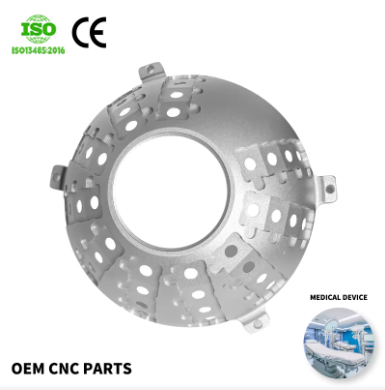
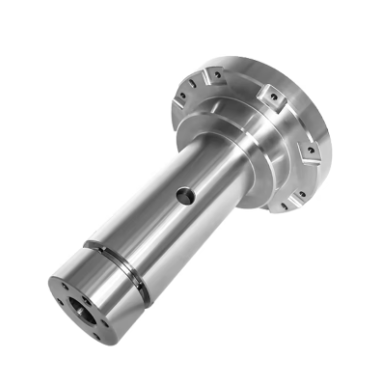
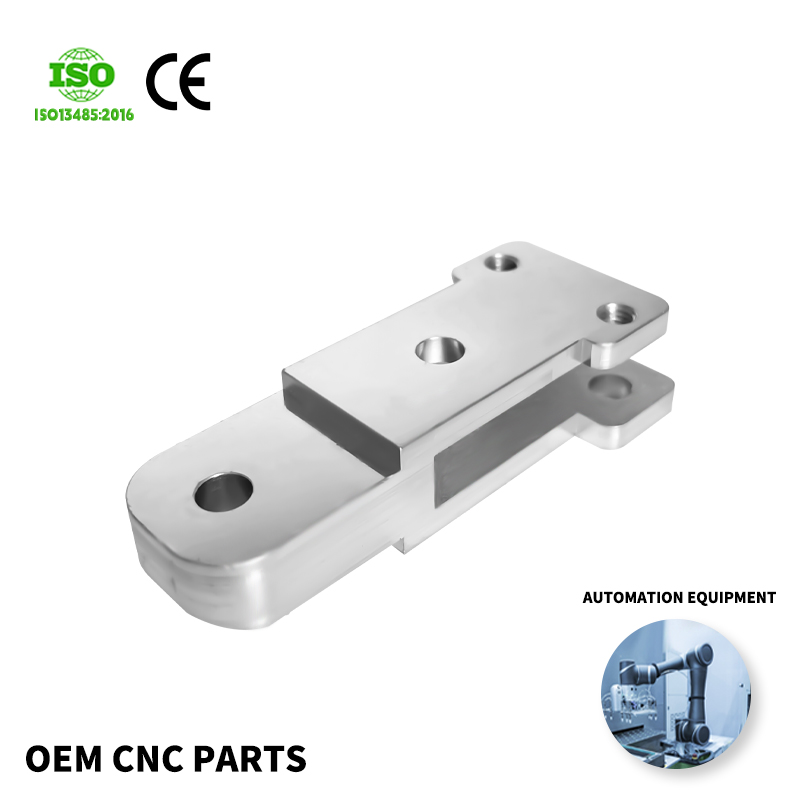
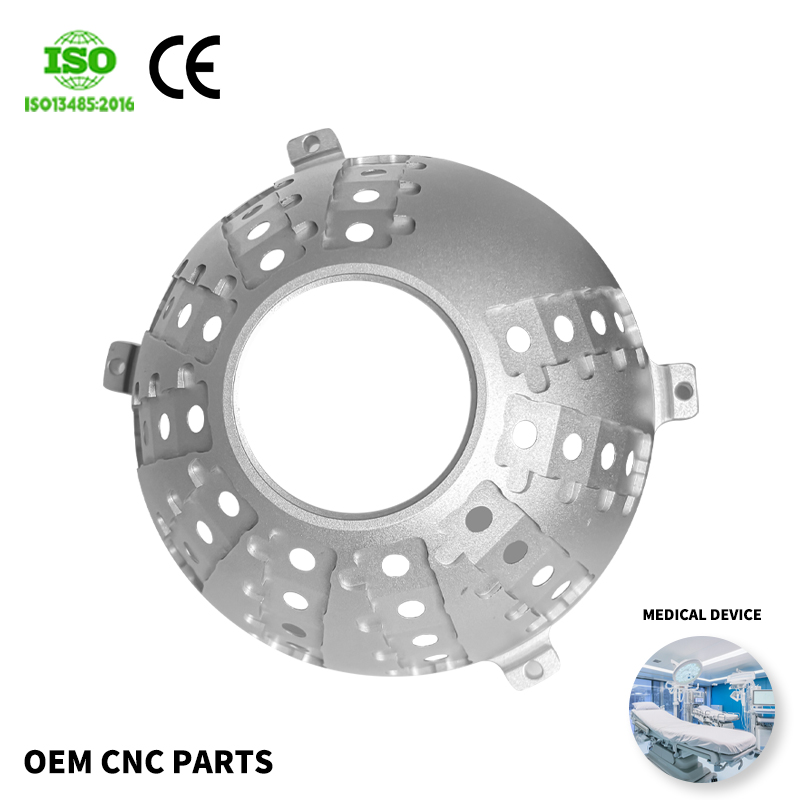
Turning in machining is a fundamental metalworking process that removes material from a rotating workpiece to create cylindrical parts with precise dimensions. This subtractive manufacturing technique uses a single-point cutting tool that moves linearly while the workpiece spins on a lathe or CNC turning center. The process excels at producing shafts, pins, bushings, and other round components with exceptional accuracy. Turning in machining operates through controlled movements where the cutting tool advances along the workpiece axis, reducing diameter and creating desired shapes. The main functions include facing operations that create flat surfaces, longitudinal turning that reduces outer diameters, boring for internal cavities, grooving, threading, and taper generation. Technological features of turning in machining encompass variable spindle speeds, programmable feed rates, multiple axis coordination, and real-time tool path control. Modern CNC systems enable complex geometries through simultaneous multi-axis movements and automated tool changes. The process accommodates diverse materials including steel, aluminum, brass, titanium, plastics, and composites. Applications span automotive component production, aerospace part manufacturing, medical device fabrication, oil and gas equipment, agricultural machinery, and general industrial production. Turning in machining delivers tight tolerances typically within 0.001 inches, superior surface finishes, and high repeatability for both prototype and mass production runs. The technology supports short cycle times and efficient material utilization, making it economically viable for small batch custom parts and large-scale production alike.

New Product Releases

The primary advantage of turning in machining lies in its exceptional precision, enabling manufacturers to achieve dimensional tolerances that meet stringent quality requirements without secondary operations. This accuracy translates directly into cost savings by reducing scrap rates and eliminating rework expenses. Production efficiency represents another significant benefit, as turning in machining completes multiple operations in a single setup, minimizing handling time and reducing labor costs. The process maintains consistent quality across production runs, ensuring every part meets specifications whether producing ten pieces or ten thousand. Material versatility provides operational flexibility, allowing manufacturers to switch between different metals and plastics without major equipment changes, adapting quickly to varying customer demands. Modern turning in machining systems offer intuitive programming interfaces that reduce setup times and enable operators to optimize cutting parameters for maximum productivity. The technology supports lights-out manufacturing, running unattended during off-hours to maximize equipment utilization and accelerate delivery schedules. Surface finish quality achieved through turning in machining often eliminates grinding or polishing steps, streamlining production workflows and reducing overall manufacturing costs. Small manufacturers benefit from accessible entry-level equipment, while large operations leverage advanced multi-axis systems for complex geometries. The process generates minimal waste compared to alternative methods, supporting sustainability initiatives and reducing raw material expenses. Maintenance requirements remain manageable with predictable tool life and straightforward replacement procedures. Investment returns materialize quickly through increased throughput, improved quality metrics, and expanded capability to bid on precision component contracts. Turning in machining adapts to diverse production volumes, serving equally well for prototype development, medium-batch production, and high-volume manufacturing scenarios.

Practical Tips

Future Trends in Custom CNC Machining: What to Expect

26

Nov

Future Trends in Custom CNC Machining: What to Expect

AI and Machine Learning Revolutionizing Custom CNC Machining Adaptive Machining Processes for Custom CNC Parts AI is playing a pivotal role in revolutionizing custom CNC machining through adaptive processes. By leveraging AI algorithms, CNC machines...
View More
Why 5-Axis CNC Machining Is Ideal for Complex Part Manufacturing

06

Jan

Why 5-Axis CNC Machining Is Ideal for Complex Part Manufacturing

Modern manufacturing demands precision, efficiency, and the ability to create intricate geometries that traditional machining methods simply cannot achieve. The evolution of computer numerical control technology has revolutionized how manufacturers a...
View More
CNC Solutions for High-End Industries: Medical and Semiconductor Cases

06

Jan

CNC Solutions for High-End Industries: Medical and Semiconductor Cases

The precision manufacturing landscape has evolved dramatically over recent decades, with 5-axis CNC machined custom parts becoming the cornerstone of advanced industrial applications. Industries such as medical device manufacturing and semiconductor ...
View More
CNC Machining Process Guide: Turning, Milling, and 5-Axis Explained

06

Feb

CNC Machining Process Guide: Turning, Milling, and 5-Axis Explained

Modern manufacturing relies heavily on precision engineering and automated production techniques. CNC machining stands at the forefront of this technological revolution, transforming raw materials into complex components with exceptional accuracy. Fr...
View More

Get a Free Quote

Our representative will contact you soon.
Email
Name
Company Name
Message
0/1000

turning in machining

Superior Dimensional Accuracy and Repeatability

Superior Dimensional Accuracy and Repeatability

Turning in machining delivers unmatched dimensional consistency that forms the foundation of modern precision manufacturing. The process achieves tolerances down to 0.0005 inches through rigid machine construction, precise spindle bearings, and advanced feedback systems that continuously monitor cutting conditions. This level of accuracy proves critical for components requiring exact fits, such as bearing seats, seal surfaces, and mating parts in assemblies. Repeatability ensures that the first part matches the ten-thousandth part identically, eliminating variation that could compromise product performance. CNC-controlled turning in machining systems store proven programs that reproduce successful results indefinitely, protecting quality standards across production shifts and operator changes. The capability to hold tight tolerances reduces assembly difficulties, eliminates shimming requirements, and ensures optimal performance of finished products. Manufacturers gain competitive advantages by guaranteeing precision that meets or exceeds customer specifications, opening opportunities in aerospace, medical, and automotive sectors where dimensional integrity directly impacts safety and functionality. The combination of accuracy and repeatability minimizes inspection time while building customer confidence in delivered components.
Versatile Material Processing Capabilities

Versatile Material Processing Capabilities

Turning in machining accommodates an extensive range of materials, providing manufacturers with the flexibility to serve diverse industries and applications from a single equipment platform. The process effectively machines common materials like aluminum and mild steel, along with challenging alloys including hardened steels, stainless varieties, titanium, and exotic superalloys used in demanding environments. This versatility extends to non-metallic materials such as engineering plastics, composites, and even wood for specialized applications. Manufacturers avoid substantial capital investments in specialized equipment for different material types, instead adjusting cutting parameters, tool geometries, and coolant strategies to optimize performance. The ability to process multiple materials enables shops to diversify their customer base, accepting projects across industries without turning away opportunities due to material limitations. Turning in machining handles materials in various conditions, from soft annealed states to fully hardened conditions, supporting different stages of manufacturing workflows. This adaptability proves particularly valuable when producing components that combine different materials or when customer specifications change unexpectedly. The comprehensive material compatibility positions turning in machining as a universal solution for cylindrical component production across virtually any industry sector.
Cost-Effective Production Scalability

Cost-Effective Production Scalability

Turning in machining offers exceptional economic advantages through its ability to scale efficiently from prototype quantities to full production volumes without process changes. Small manufacturers start with manual or entry-level CNC lathes, producing quality components while managing initial capital investment, then expand capacity as business grows by adding more sophisticated equipment. The same programming and setup knowledge transfers across equipment levels, protecting training investments and maintaining operational consistency. Production costs per part decrease dramatically as volumes increase, since setup time distributes across more pieces while cycle times remain constant. Turning in machining supports rapid prototyping, allowing design validation and customer approval before committing to production tooling or large material purchases. The process requires minimal dedicated fixturing compared to other manufacturing methods, reducing upfront costs and enabling quick changeovers between different part numbers. Automation integration further enhances scalability, with bar feeders, part catchers, and robotic loading systems extending unattended run times. Manufacturers serve both custom job shop requirements and OEM production contracts using the same core technology, maximizing equipment utilization and return on investment. This scalability ensures turning in machining remains economically viable regardless of order size or production frequency.

Get a Free Quote

Our representative will contact you soon.
Email
Name
Company Name
Message
0/1000

Copyright © 2026 China Shanghai Raycool Industrial Co., Ltd. All rights reserved  -  Privacy policy