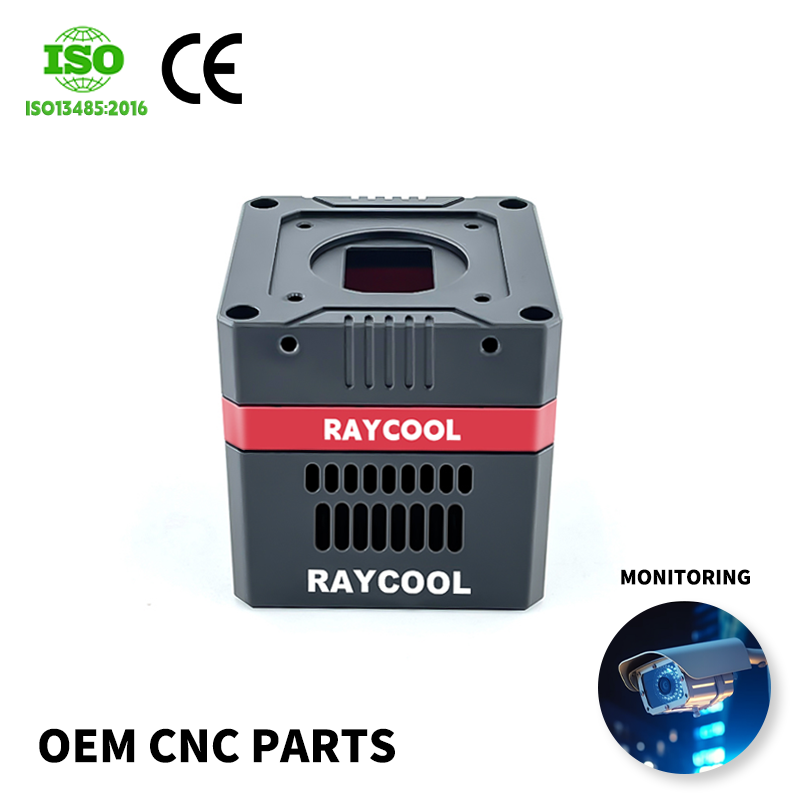
cnc medical devices
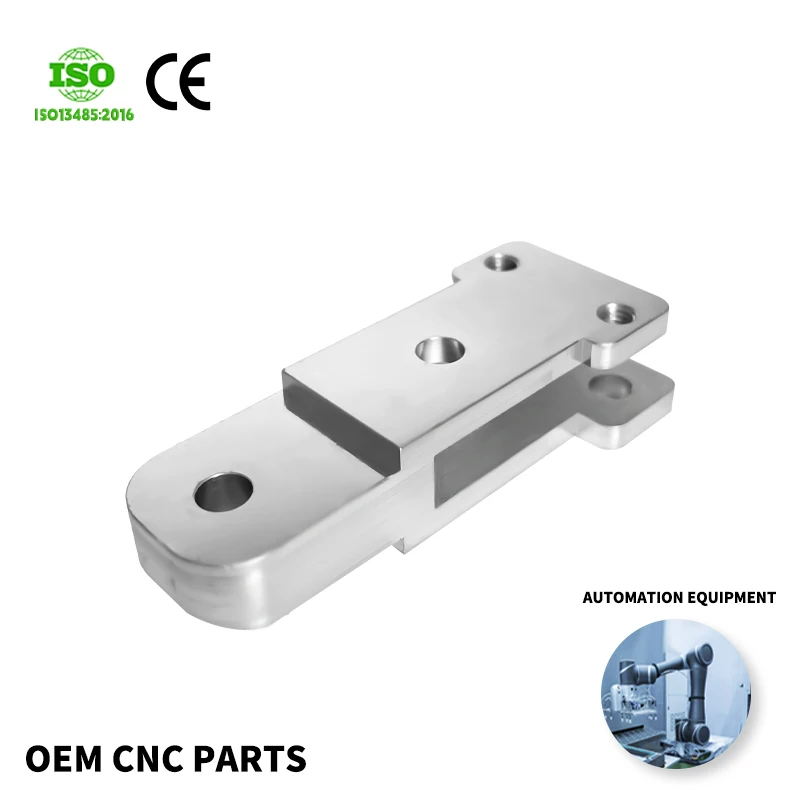
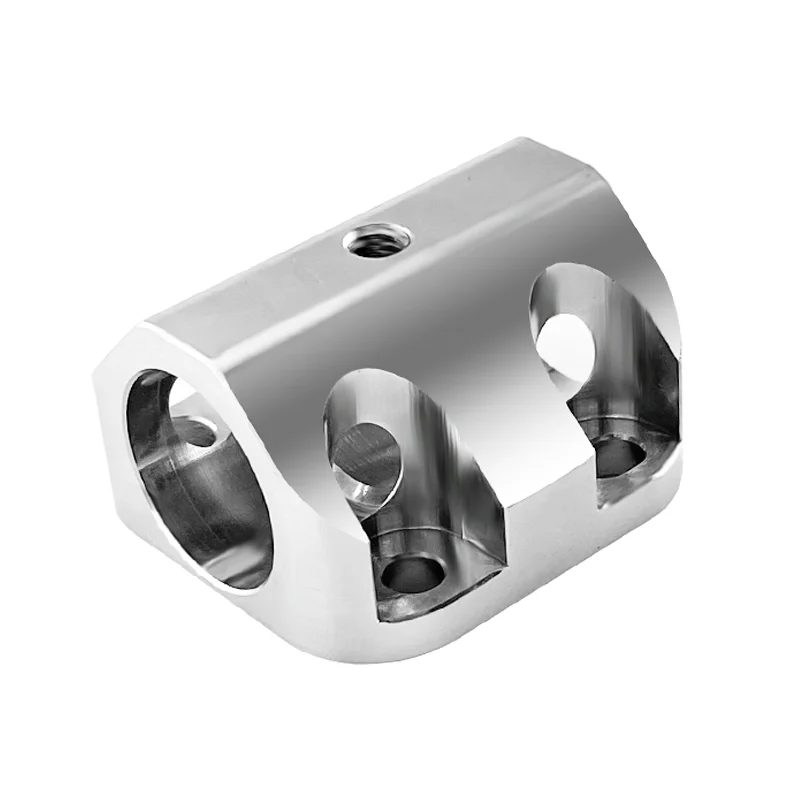
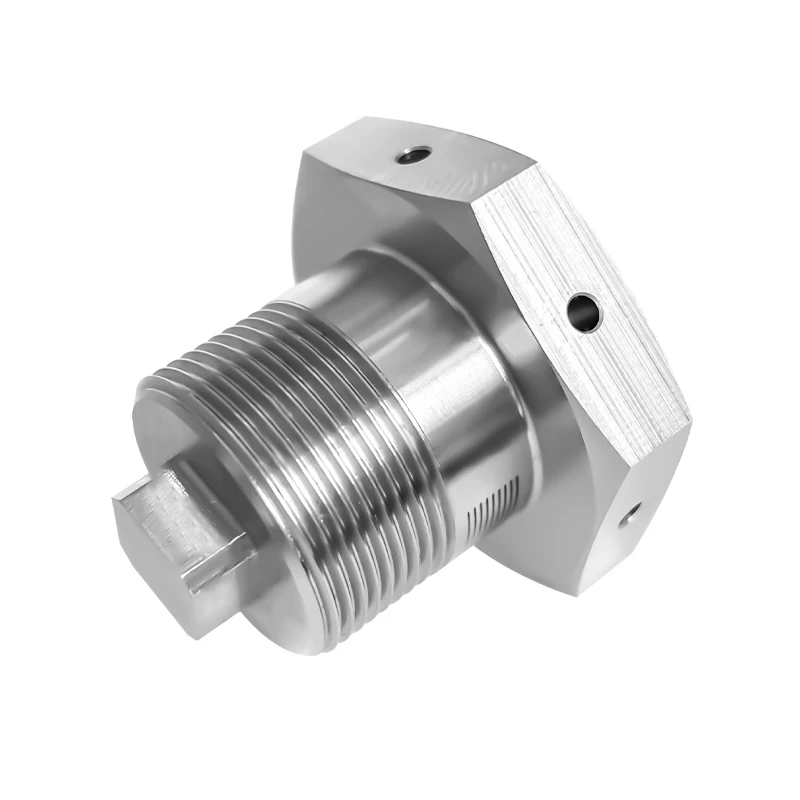
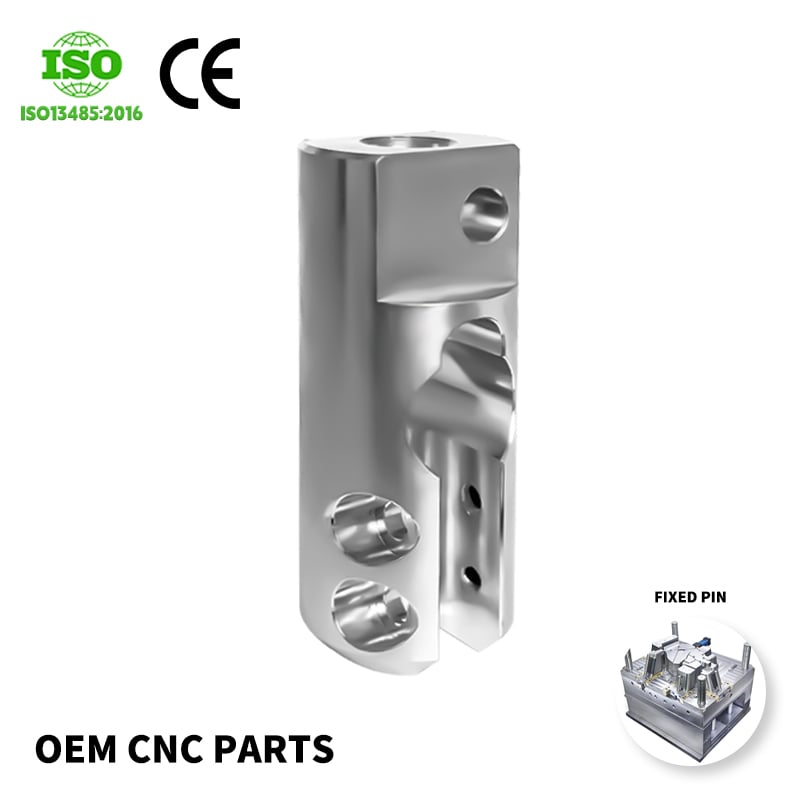
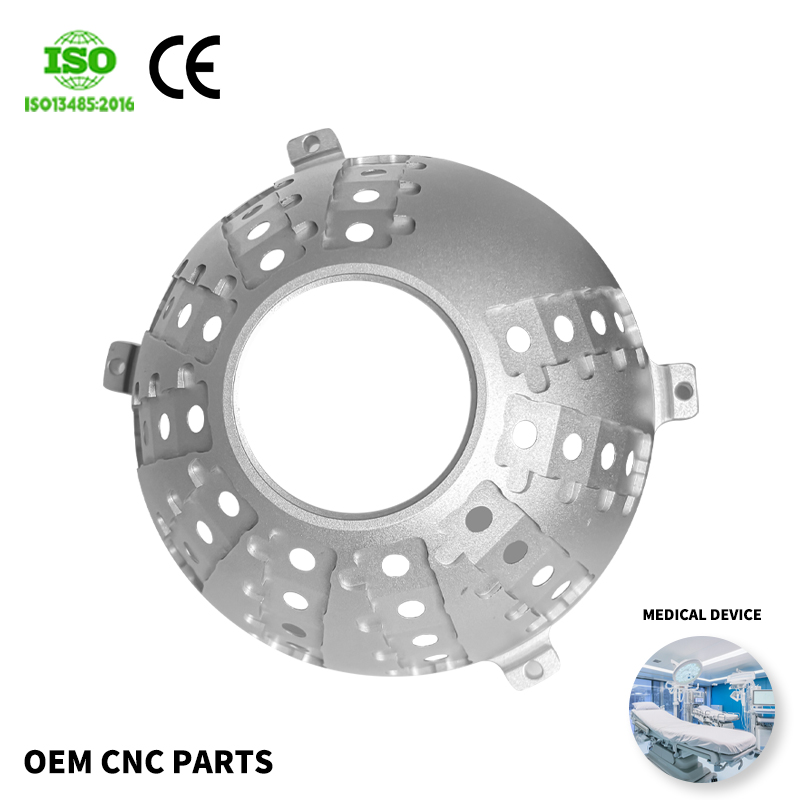
CNC medical devices represent a revolutionary advancement in healthcare manufacturing, combining computer numerical control technology with precision engineering to produce critical medical components and equipment. These sophisticated machines utilize automated computer-controlled systems to manufacture surgical instruments, orthopedic implants, dental prosthetics, diagnostic equipment parts, and various medical device components with exceptional accuracy. CNC medical devices operate through pre-programmed software that controls cutting tools, drills, and milling equipment to shape materials such as titanium, stainless steel, medical-grade plastics, and biocompatible alloys into exact specifications. The technology enables manufacturers to create complex geometries, intricate designs, and microscopic features that would be impossible to achieve through manual machining processes. Modern CNC medical devices incorporate multi-axis capabilities, allowing simultaneous movement in multiple directions to produce three-dimensional components with extraordinary precision, often achieving tolerances within micrometers. These machines have become indispensable in producing pacemaker housings, artificial joints, spinal implants, surgical cutting tools, endoscopic instruments, and prosthetic limbs. The integration of CAD and CAM software with CNC medical devices streamlines the production workflow from digital design to finished product, ensuring consistency across batches and enabling rapid prototyping for innovative medical solutions. Healthcare manufacturers rely on CNC medical devices to meet stringent regulatory standards, maintain sterile production environments, and deliver life-saving equipment that meets the exacting requirements of medical professionals worldwide.