cnc machining medical devices
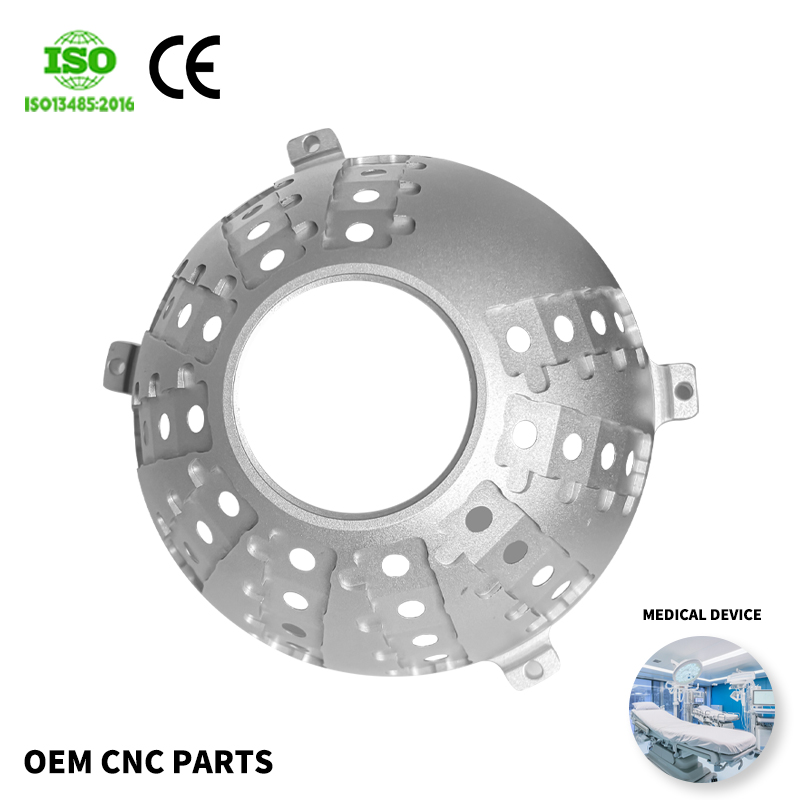
CNC machining medical devices represents a critical manufacturing process that combines computer numerical control technology with precision engineering to produce high-quality medical components and instruments. This advanced manufacturing method enables the creation of surgical tools, implantable devices, orthopedic components, dental instruments, and diagnostic equipment with exceptional accuracy and consistency. CNC machining medical devices utilizes multi-axis milling, turning, and drilling operations controlled by sophisticated software programs that guide cutting tools to remove material from blocks of medical-grade metals, plastics, and ceramics. The technology supports the production of complex geometries, tight tolerances often within microns, and smooth surface finishes essential for biocompatibility and functionality. Medical device manufacturers rely on CNC machining to process materials such as titanium, stainless steel, PEEK, and medical-grade polymers that meet stringent regulatory standards. The process accommodates both prototype development and high-volume production runs, making it versatile for various stages of medical device manufacturing. CNC machining medical devices ensures repeatability across production batches, which is crucial for maintaining quality standards required by FDA and ISO certifications. The technology integrates seamlessly with CAD/CAM systems, allowing engineers to translate digital designs directly into physical components with minimal human intervention. This manufacturing approach supports the healthcare industry's growing demand for customized implants, minimally invasive surgical instruments, and specialized diagnostic tools that improve patient outcomes and advance medical treatment capabilities.