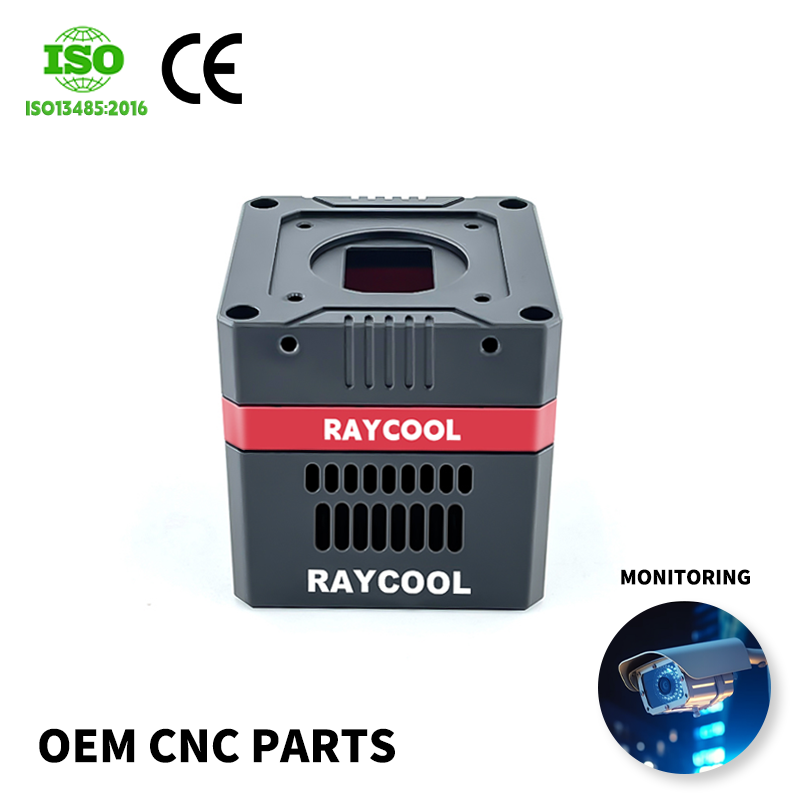
CNC Machining Medical Parts | Precision Solutions

cnc machining medical parts

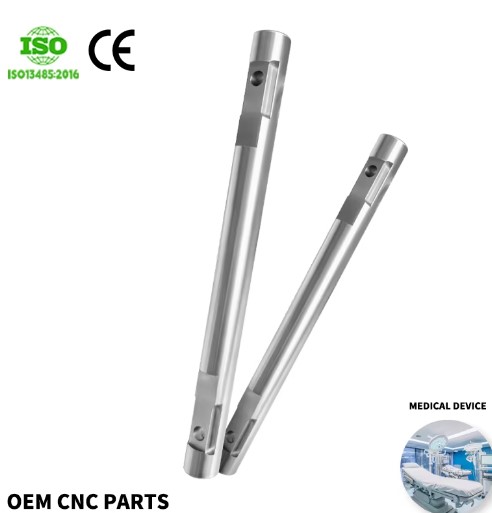
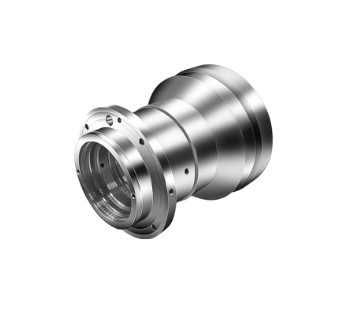
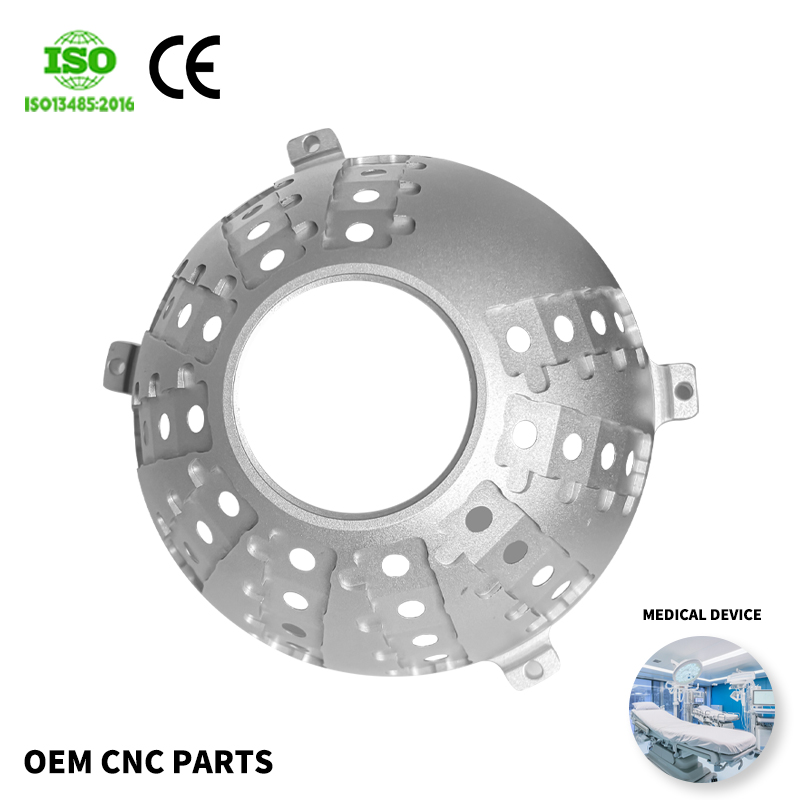
CNC machining medical parts represents a cutting-edge manufacturing process that produces precision components for healthcare applications through computer-controlled equipment. This advanced technology removes material from solid blocks of medical-grade materials such as titanium, stainless steel, and biocompatible plastics to create custom implants, surgical instruments, and diagnostic equipment components. The process utilizes multi-axis machines that follow programmed instructions to achieve tolerances as tight as 0.0001 inches, ensuring each part meets stringent regulatory standards. CNC machining medical parts serves critical functions in producing orthopedic implants like hip and knee replacements, dental prosthetics, surgical tools, and housings for diagnostic devices. The technology features automated tool changes, real-time quality monitoring, and the ability to manufacture complex geometries that would be impossible with traditional methods. Medical device manufacturers rely on this process for its consistency, repeatability, and capability to work with specialized materials that meet FDA and ISO certification requirements. The digital nature of CNC machining medical parts allows rapid prototyping and seamless transition from design to production, supporting innovation in medical technology. Applications span across cardiovascular devices, neurosurgical instruments, spinal implants, and custom patient-specific solutions that improve surgical outcomes and patient recovery times.

New Product Recommendations

Choosing CNC machining medical parts delivers exceptional precision that directly impacts patient safety and treatment effectiveness. The computerized control eliminates human error during production, ensuring every component matches exact specifications required for proper fit and function within the human body. You receive parts with consistent quality across production runs, which means your medical devices perform reliably whether you manufacture ten units or ten thousand. The process accommodates rapid design modifications without expensive tooling changes, allowing you to respond quickly to clinical feedback or regulatory updates. Material versatility stands as another practical benefit, as CNC machining medical parts works seamlessly with titanium alloys, cobalt-chromium, PEEK polymers, and other biocompatible materials your applications demand. This flexibility supports your product development goals without limiting material choices based on manufacturing constraints. The technology produces smooth surface finishes that reduce bacterial adhesion and promote tissue integration, improving patient outcomes and reducing post-surgical complications. You gain faster time-to-market advantages because CNC machining medical parts requires no custom molds or dies, cutting weeks or months from development timelines. Traceability features built into modern CNC systems document every manufacturing parameter, providing the audit trails regulatory agencies require and protecting your company during compliance reviews. Cost efficiency emerges through reduced waste, as the subtractive process maximizes material utilization and recycling options. The ability to create complex internal channels, undercuts, and threaded features in single setups eliminates assembly steps, reducing labor costs and potential failure points in your finished devices.

Tips And Tricks

Future Trends in Custom CNC Machining: What to Expect

26

Nov

Future Trends in Custom CNC Machining: What to Expect

AI and Machine Learning Revolutionizing Custom CNC Machining Adaptive Machining Processes for Custom CNC Parts AI is playing a pivotal role in revolutionizing custom CNC machining through adaptive processes. By leveraging AI algorithms, CNC machines...
View More
Future Trends in CNC Machining Precision Parts: What to Expect

26

Nov

Future Trends in CNC Machining Precision Parts: What to Expect

Global CNC Machining Market Growth and Projections Current Valuation and Forecasted Expansion (2023-2030) The global CNC machining market is projected to undergo significant growth, building upon its current valuation of approximately $55.1 billion ...
View More
Surface Finish and Tolerance Control for Aluminum in CNC Fabrication

05

Dec

Surface Finish and Tolerance Control for Aluminum in CNC Fabrication

Modern manufacturing demands exceptional precision, particularly when working with aluminum components that require tight tolerances and superior surface finishes. The aluminum CNC fabrication process has evolved dramatically over recent years, incor...
View More
How to Choose Between CNC Turning, Milling, and 5-Axis for Your Part

06

Jan

How to Choose Between CNC Turning, Milling, and 5-Axis for Your Part

Manufacturing precision components requires careful consideration of machining processes, with CNC turning milling 5-axis representing the three fundamental approaches to modern subtractive manufacturing. Each method offers distinct advantages and li...
View More

Get a Free Quote

Our representative will contact you soon.
Email
Name
Company Name
Message
0/1000

cnc machining medical parts

Unmatched Precision for Critical Medical Applications

Unmatched Precision for Critical Medical Applications

CNC machining medical parts achieves dimensional accuracy that meets the exacting demands of implantable devices and life-saving equipment. Modern five-axis machines maintain tolerances within microns, ensuring components like pacemaker housings seal perfectly and orthopedic implants fit patient anatomy precisely. This level of accuracy prevents complications such as implant loosening, device malfunction, or tissue irritation that arise from dimensional variations. The process control systems continuously verify measurements during production, catching deviations before defective parts advance through manufacturing stages. For surgical instruments, this precision translates to edges that remain sharp, joints that articulate smoothly, and mechanisms that function reliably under sterile conditions. Medical device companies benefit from reduced rejection rates and warranty claims, as parts consistently meet specifications that pass regulatory inspections. The precision capabilities of CNC machining medical parts support miniaturization trends in medical technology, enabling smaller implants for pediatric patients and minimally invasive surgical tools that reduce patient trauma and recovery periods.
Regulatory Compliance and Material Certification

Regulatory Compliance and Material Certification

CNC machining medical parts streamlines the complex pathway to regulatory approval through documented processes and certified material handling. Manufacturers maintain complete chain-of-custody records for biocompatible materials, tracking each batch from certified suppliers through final inspection. The digital nature of CNC programming creates permanent records of machining parameters, tool paths, and quality checkpoints that auditors require during FDA submissions or ISO certification reviews. This documentation proves manufacturing consistency across production lots, a critical requirement for medical device approval. CNC machining medical parts accommodates sterilization requirements through material selection and surface finish specifications that withstand autoclaving, gamma radiation, or chemical sterilization without degradation. The process produces parts with predictable mechanical properties because controlled machining conditions prevent work hardening or thermal damage that compromise material performance. Quality management systems integrate directly with CNC equipment, automatically flagging out-of-specification conditions and quarantining suspect parts. This built-in quality assurance reduces the compliance burden on your team while ensuring every component leaving your facility meets the safety standards patients and healthcare providers expect from medical devices.
Rapid Prototyping and Custom Patient Solutions

Rapid Prototyping and Custom Patient Solutions

CNC machining medical parts revolutionizes product development timelines and enables personalized medicine through flexible manufacturing capabilities. Engineers upload new designs directly to machining centers, producing functional prototypes within days rather than the weeks required for molded or cast parts. This speed supports iterative testing with clinical partners, allowing rapid refinement based on surgeon feedback before committing to full production. The technology excels at creating patient-specific implants derived from CT or MRI scans, machining custom bone plates, cranial implants, or joint replacements that match individual anatomy. These personalized solutions improve surgical outcomes because they eliminate the compromises inherent in standard-sized devices. CNC machining medical parts supports small batch production economically, making specialized devices viable for rare conditions or niche surgical techniques without the high tooling investments other processes demand. Surgeons can request design modifications for unique patient cases, and manufacturers can deliver custom solutions within clinical timeframes. This flexibility positions medical device companies to lead in emerging fields like regenerative medicine and robotic surgery, where custom components and rapid innovation cycles determine market success.

Get a Free Quote

Our representative will contact you soon.
Email
Name
Company Name
Message
0/1000

Copyright © 2026 China Shanghai Raycool Industrial Co., Ltd. All rights reserved  -  Privacy policy