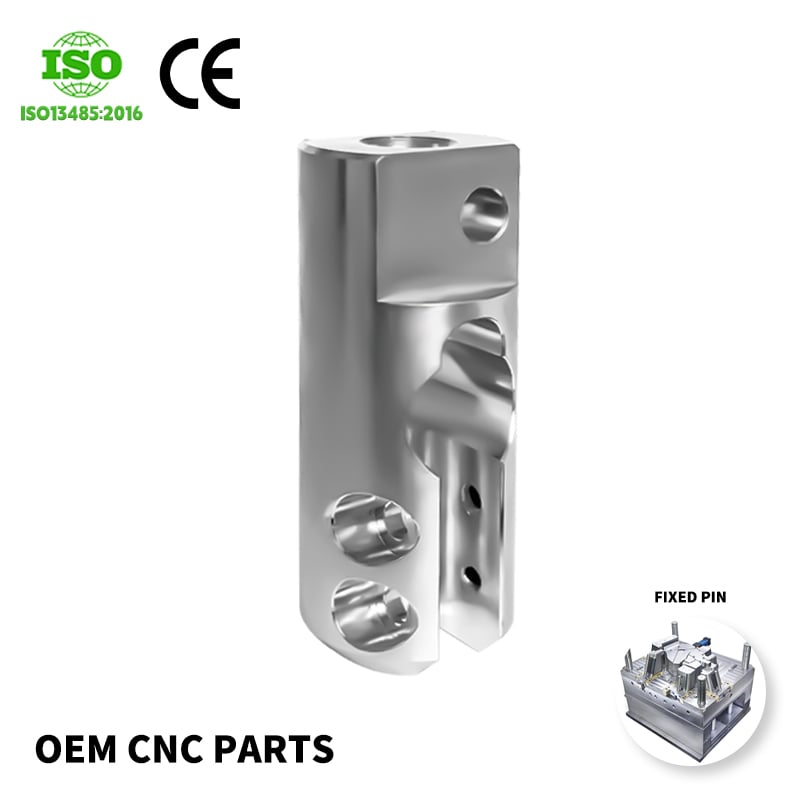
prototype machining
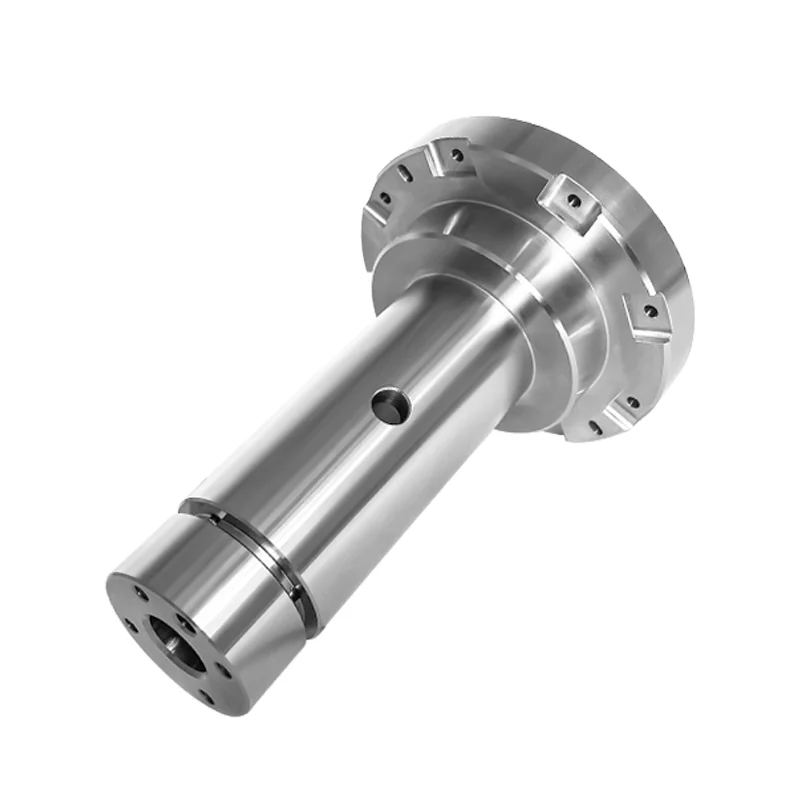
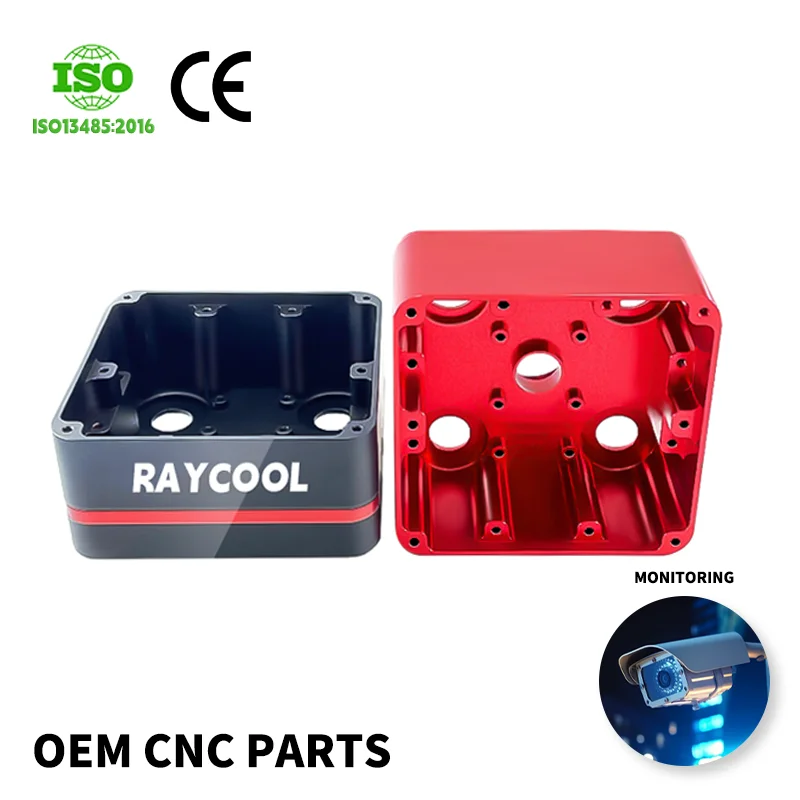
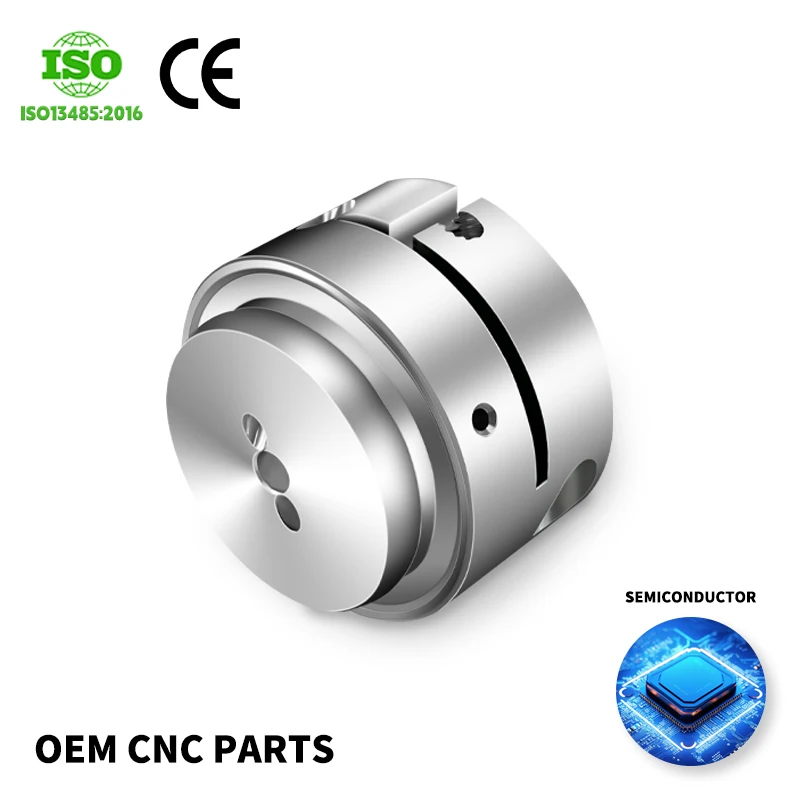
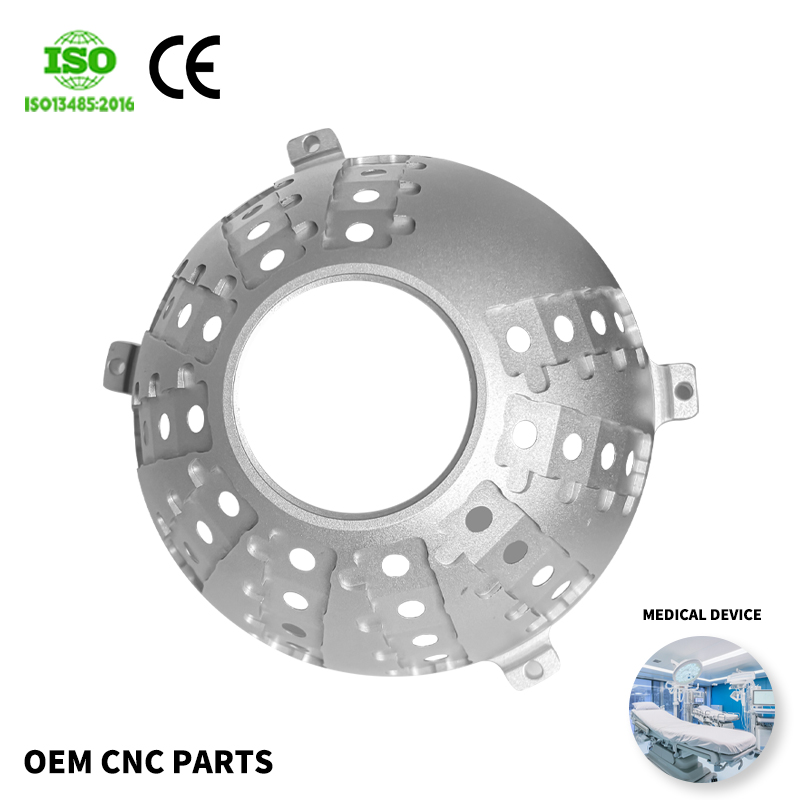
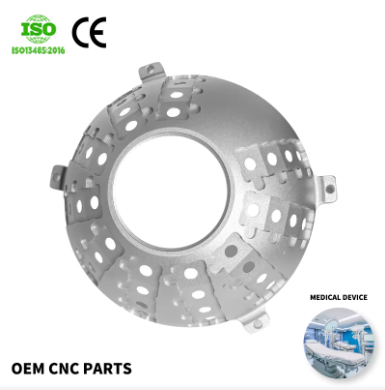
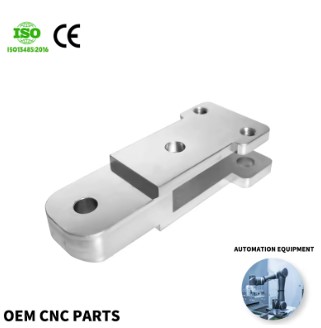
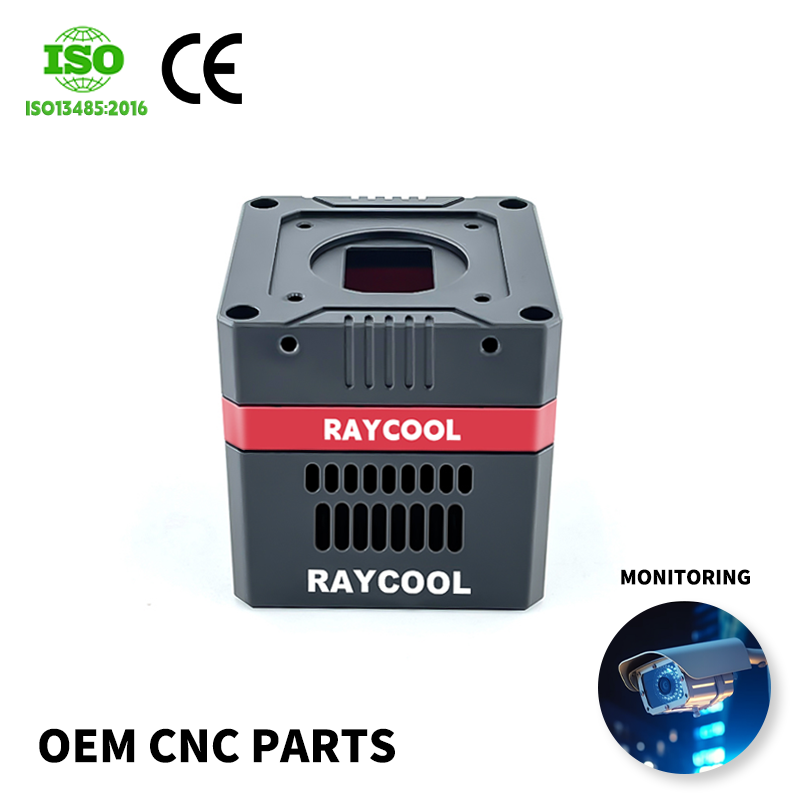
Prototype machining is a specialized manufacturing process that transforms digital designs into physical models using precision cutting, milling, and forming techniques. This essential service enables businesses to create functional prototypes quickly and accurately before committing to full-scale production. Prototype machining employs advanced CNC machines, 3D printing technologies, and traditional machining methods to produce parts from various materials including metals, plastics, and composites. The primary function of prototype machining is to validate design concepts, test functionality, and identify potential issues early in the product development cycle. Engineers and designers rely on this process to evaluate form, fit, and function while making necessary adjustments before expensive tooling investments. The technological features of prototype machining include high-precision tolerances, rapid turnaround times, and the ability to work with diverse materials and complex geometries. Modern prototype machining facilities utilize computer-aided manufacturing software to ensure dimensional accuracy and repeatability. Applications span multiple industries including aerospace, automotive, medical devices, consumer electronics, and industrial equipment. Companies use prototype machining to create everything from simple mechanical components to intricate assemblies requiring tight tolerances. This manufacturing approach bridges the gap between conceptual design and production, allowing stakeholders to physically examine and test products before market launch. Prototype machining supports iterative design processes, enabling teams to refine specifications and optimize performance based on real-world testing results.