Rapid CNC Machining Services - Fast & Precise

rapid cnc machining

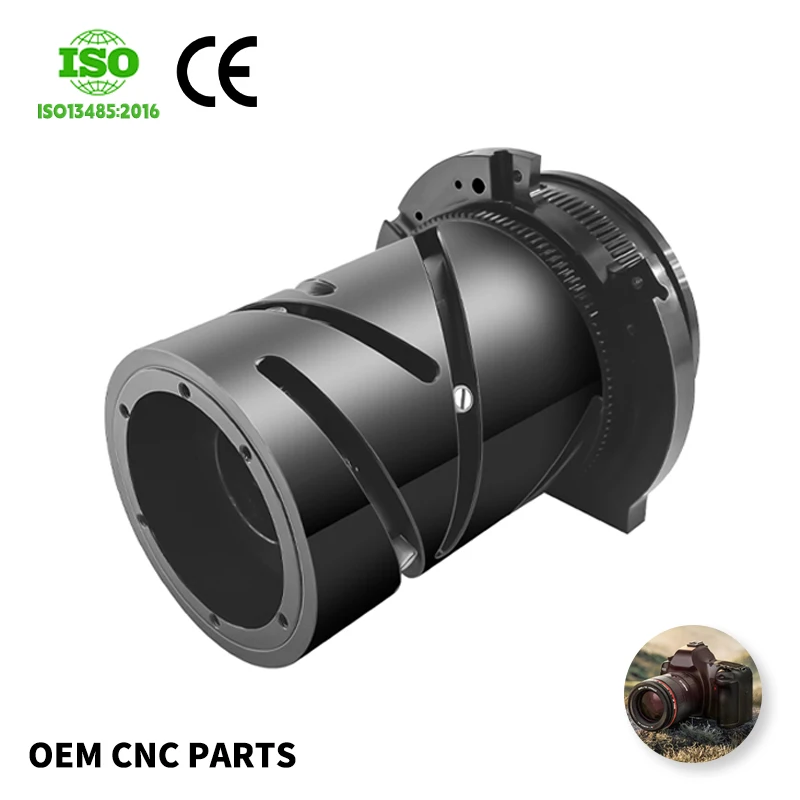
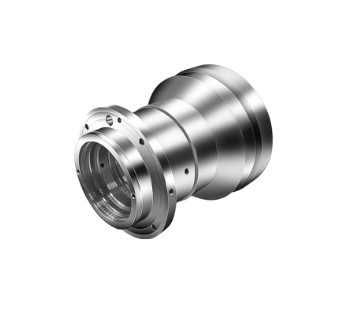
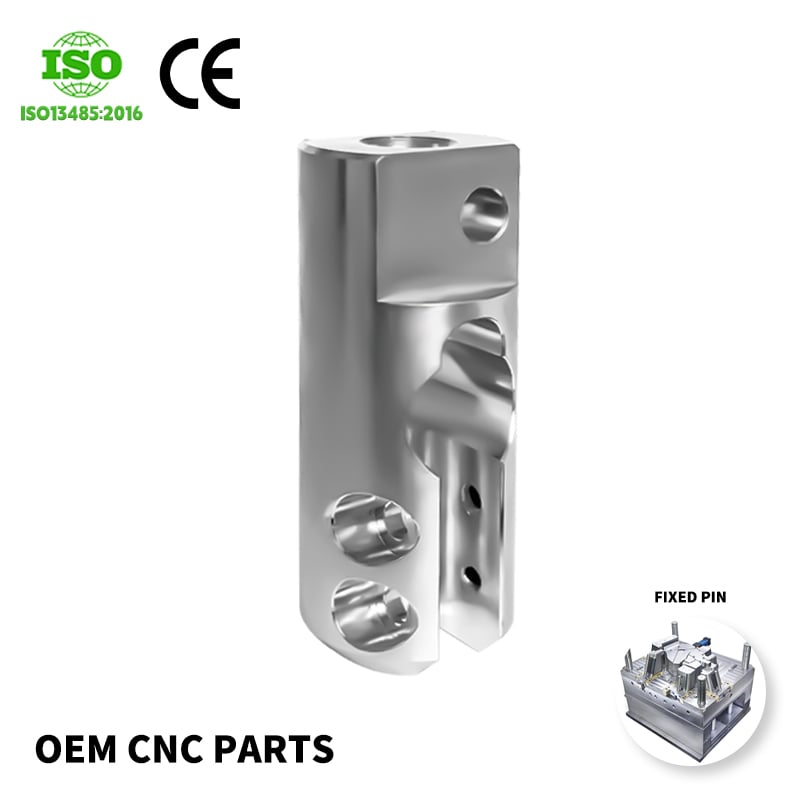
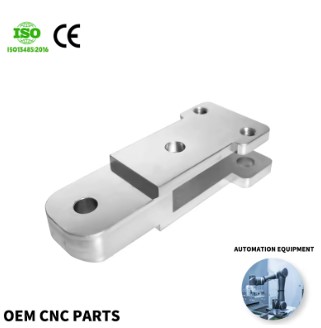
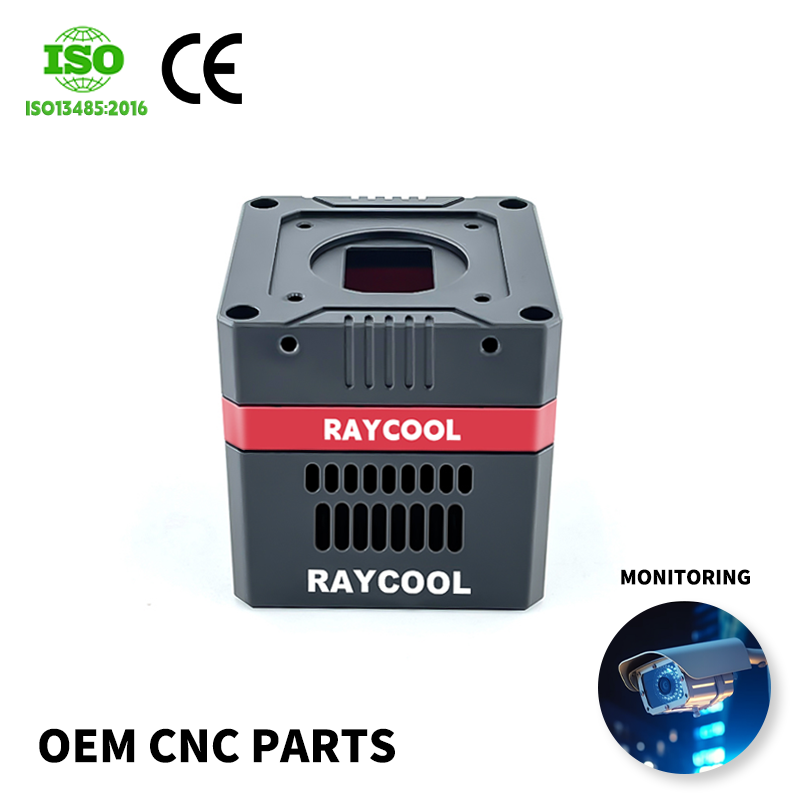
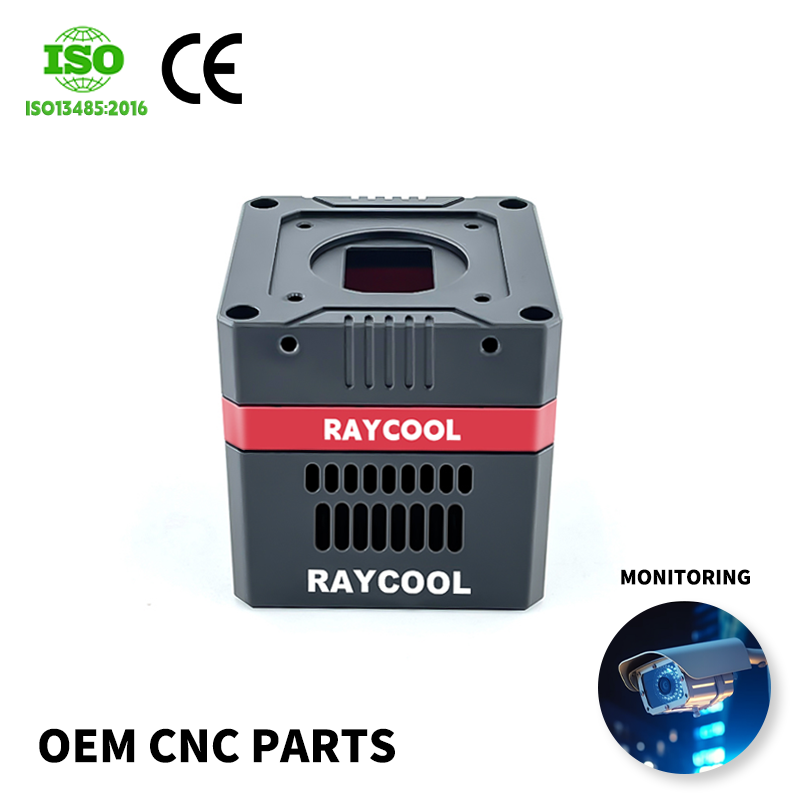
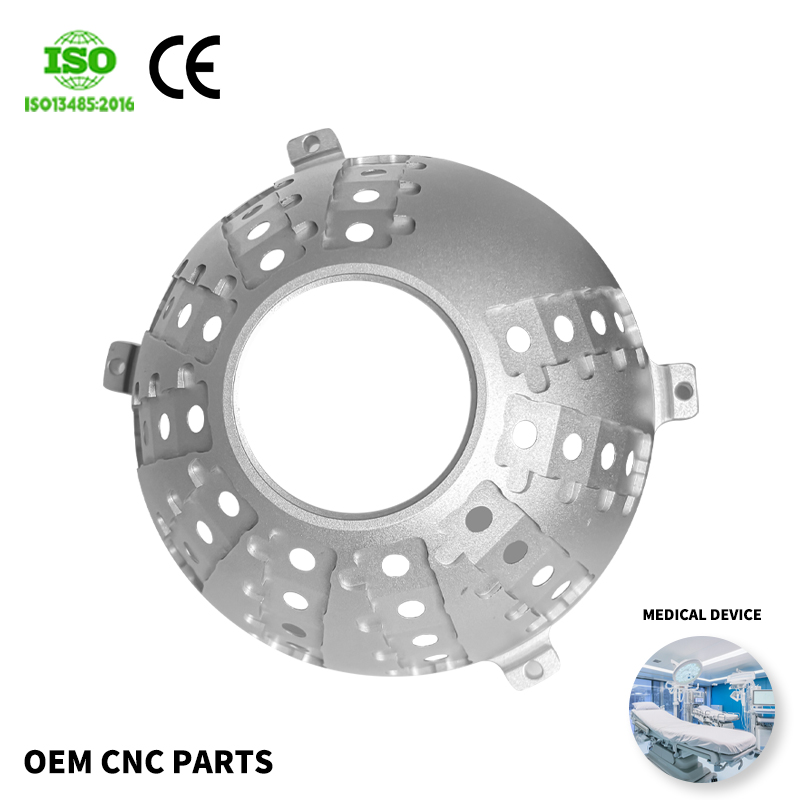
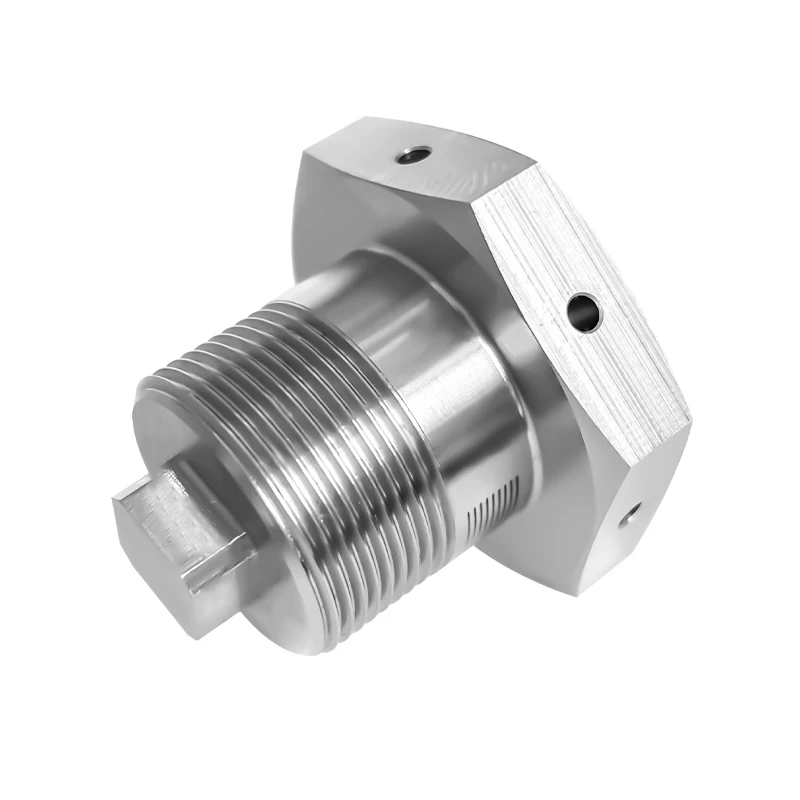
Rapid CNC machining is an advanced manufacturing process that combines computer numerical control technology with accelerated production methods to deliver precision-engineered parts in exceptionally short timeframes. This innovative approach utilizes automated machine tools controlled by pre-programmed software to remove material from solid blocks, creating complex components with outstanding accuracy. Rapid CNC machining encompasses various subtractive manufacturing techniques including milling, turning, drilling, and grinding, all executed at optimized speeds without compromising quality. The process begins with digital CAD models that are converted into machine-readable instructions, enabling seamless transition from design to finished product. Modern rapid CNC machining facilities employ multi-axis equipment capable of simultaneous operations, significantly reducing production cycles compared to traditional methods. This technology serves industries requiring quick turnaround times such as aerospace, automotive, medical devices, electronics, and product development sectors. The main functions include prototype creation, low-to-medium volume production runs, replacement part manufacturing, and custom component fabrication. Technological features encompass high-speed spindles, advanced toolpath optimization, automated tool changers, real-time monitoring systems, and precision measurement integration. Materials processed through rapid CNC machining range from metals like aluminum, steel, and titanium to engineering plastics and composite materials. The process maintains tight tolerances typically within 0.005 inches while achieving superior surface finishes. Rapid CNC machining has revolutionized product development cycles, enabling companies to test designs quickly, iterate efficiently, and bring products to market faster than ever before.

Popular Products

Choosing rapid CNC machining provides substantial time savings that directly impact your project timeline and market competitiveness. While traditional manufacturing might require weeks or months, this accelerated process delivers finished parts within days or even hours, allowing you to test prototypes faster and make informed design decisions quickly. The speed advantage translates into cost efficiency, as reduced lead times mean lower inventory holding costs and faster revenue generation from new products. You gain exceptional precision with repeatable accuracy across multiple parts, ensuring consistency whether producing one prototype or several hundred units. The digital nature of rapid CNC machining eliminates tooling costs associated with molds or dies, making it economically viable for small production runs and custom orders that would otherwise be prohibitively expensive. Material versatility offers tremendous flexibility, letting you work with the exact materials intended for final production, providing realistic testing conditions and reliable performance data. You maintain complete design freedom with the ability to create complex geometries, intricate details, and tight tolerances that manual machining cannot achieve consistently. The process supports iterative development, enabling rapid design modifications without significant cost penalties, which proves invaluable during product refinement stages. Quality remains consistently high due to automated processes that eliminate human error and variability. Rapid CNC machining suits diverse applications from functional prototypes requiring mechanical testing to end-use parts for limited production runs. You receive parts with excellent surface finishes often requiring minimal post-processing, saving additional time and expense. The technology scales efficiently, accommodating single custom pieces or batches of hundreds, providing operational flexibility that adapts to your specific project requirements. This manufacturing approach empowers faster innovation cycles, competitive advantage through quicker market entry, and reduced overall development costs while maintaining the quality standards essential for success.

Latest News

Future Trends in CNC Machining Precision Parts: What to Expect

26

Nov

Future Trends in CNC Machining Precision Parts: What to Expect

Global CNC Machining Market Growth and Projections Current Valuation and Forecasted Expansion (2023-2030) The global CNC machining market is projected to undergo significant growth, building upon its current valuation of approximately $55.1 billion ...
View More
How to Choose Between CNC Turning, Milling, and 5-Axis for Your Part

06

Jan

How to Choose Between CNC Turning, Milling, and 5-Axis for Your Part

Manufacturing precision components requires careful consideration of machining processes, with CNC turning milling 5-axis representing the three fundamental approaches to modern subtractive manufacturing. Each method offers distinct advantages and li...
View More
Optimizing Low-Volume Production with Multi-Process CNC Machining

06

Jan

Optimizing Low-Volume Production with Multi-Process CNC Machining

Manufacturing precision components for specialized industries requires sophisticated approaches that balance quality, efficiency, and cost-effectiveness. Multi-process CNC machining has emerged as a transformative solution for low-volume production r...
View More
How to Choose Anodized Materials for Industrial Applications?

06

Feb

How to Choose Anodized Materials for Industrial Applications?

Selecting the right anodized materials for industrial applications requires careful consideration of multiple factors that directly impact performance, durability, and cost-effectiveness. Anodized aluminum and other metals have revolutionized manufac...
View More

Get a Free Quote

Our representative will contact you soon.
Email
Name
Company Name
Message
0/1000

rapid cnc machining

Lightning-Fast Turnaround Times

Lightning-Fast Turnaround Times

Rapid CNC machining delivers unmatched speed in transforming digital designs into physical parts, fundamentally changing how businesses approach product development and manufacturing timelines. Traditional methods often involve lengthy setup procedures, tooling fabrication, and extended machining cycles that can span weeks. In contrast, rapid CNC machining streamlines every stage, from file upload to finished component delivery, often completing projects within 24 to 72 hours. This acceleration stems from optimized workflows, readily available machine capacity, and elimination of tooling requirements that typically delay production. The speed advantage proves particularly valuable when facing tight deadlines, responding to market opportunities, or conducting time-sensitive testing phases. Engineers can evaluate physical prototypes while designs remain fresh, facilitating immediate feedback and faster iteration cycles. For businesses, this velocity translates into competitive positioning, enabling quicker responses to customer demands and shorter time-to-market for new products. The rapid turnaround also supports agile development methodologies where frequent testing and refinement drive innovation. Whether you need emergency replacement parts, rush prototypes for investor presentations, or quick production runs to meet unexpected demand, rapid CNC machining provides the responsive manufacturing capability that keeps projects moving forward without costly delays.
Precision Engineering Without Compromise

Precision Engineering Without Compromise

Rapid CNC machining achieves remarkable accuracy levels that satisfy the most demanding engineering specifications while maintaining the speed advantages that define this manufacturing approach. Modern CNC equipment employs sophisticated control systems, high-resolution encoders, and precision ball screws that position cutting tools with micron-level accuracy, ensuring dimensional consistency across all produced parts. This precision capability extends to complex geometries including undercuts, thin walls, deep cavities, and intricate surface features that challenge conventional manufacturing methods. The computer-controlled nature eliminates variability introduced by manual operations, producing identical results whether fabricating the first part or the hundredth. Tight tolerance maintenance, typically holding dimensions within plus or minus 0.005 inches or better, ensures proper fit and function in assemblies without requiring extensive hand-finishing. Surface finish quality often reaches levels suitable for immediate use, with options for various textures and smoothness grades depending on functional requirements. This precision proves essential for industries like aerospace and medical devices where component accuracy directly impacts safety and performance. The measurement and verification systems integrated into rapid CNC machining workflows provide documented quality assurance, giving you confidence that received parts meet specified requirements. Combining speed with accuracy creates unique value, proving that rapid production need not sacrifice the engineering integrity critical for successful product development and manufacturing.
Design Flexibility and Material Options

Design Flexibility and Material Options

Rapid CNC machining empowers unlimited creative freedom by accommodating virtually any design conceivable in CAD software while supporting an extensive range of engineering materials suited to diverse applications. Unlike manufacturing processes constrained by mold geometries or forming limitations, CNC technology machines parts directly from solid material, enabling complex three-dimensional shapes, variable wall thicknesses, internal channels, and organic contours that optimize functionality. This design liberty encourages innovation, allowing engineers to explore unconventional solutions without worrying about manufacturability constraints that stifle creativity in other processes. The material selection spans metals including aluminum alloys, stainless steel, brass, copper, and titanium, alongside engineering plastics such as ABS, polycarbonate, PEEK, nylon, and acetal, plus specialized materials for specific performance requirements. Working with actual production materials during prototyping provides authentic testing conditions, revealing real-world performance characteristics regarding strength, thermal properties, chemical resistance, and durability. Design iterations happen quickly since modifications require only updated digital files rather than expensive tooling changes, supporting exploratory development approaches that refine concepts through physical testing. Rapid CNC machining accommodates both simple geometries and highly complex assemblies, scaling from basic brackets to intricate multi-feature housings. This combination of design freedom and material diversity makes rapid CNC machining an indispensable resource for product development teams seeking to optimize designs while validating performance before committing to volume production investments.

Get a Free Quote

Our representative will contact you soon.
Email
Name
Company Name
Message
0/1000

Copyright © 2026 China Shanghai Raycool Industrial Co., Ltd. All rights reserved  -  Privacy policy