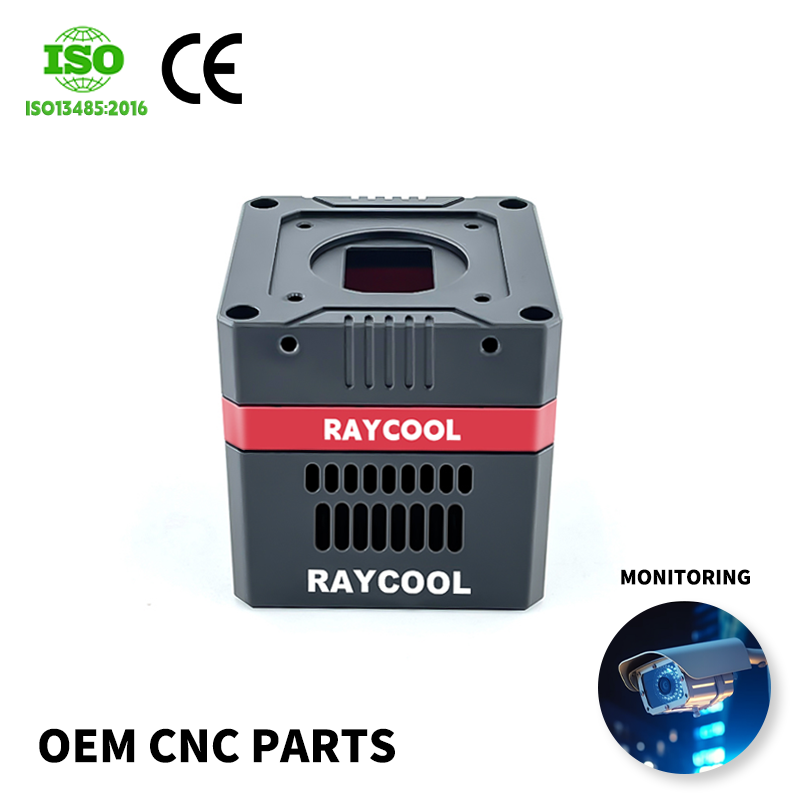
CNC Turning Components - Precision Machined Parts

cnc turning components

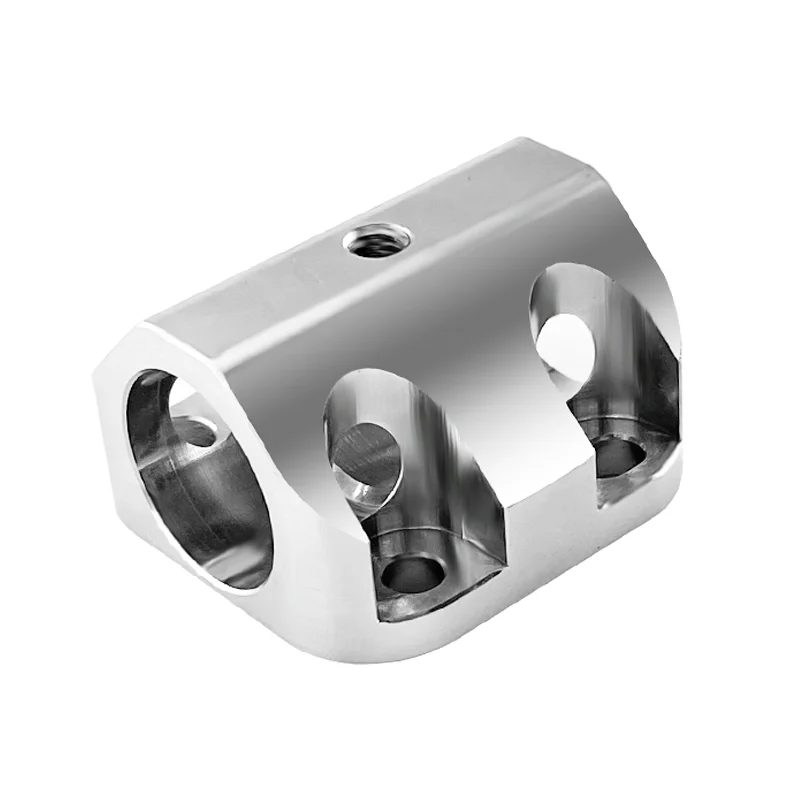
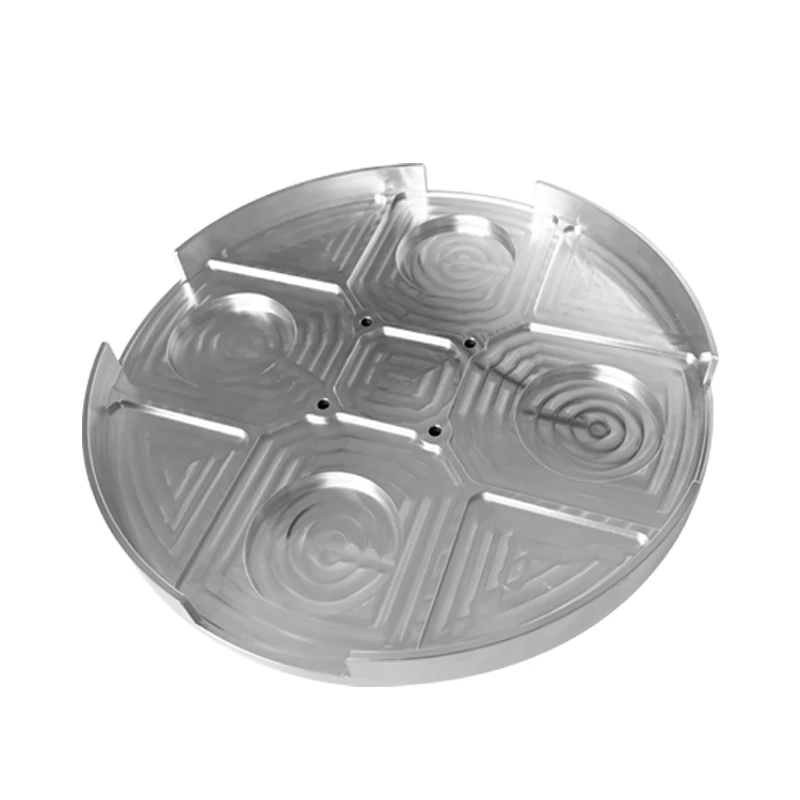
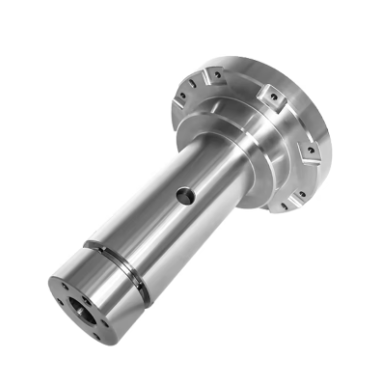
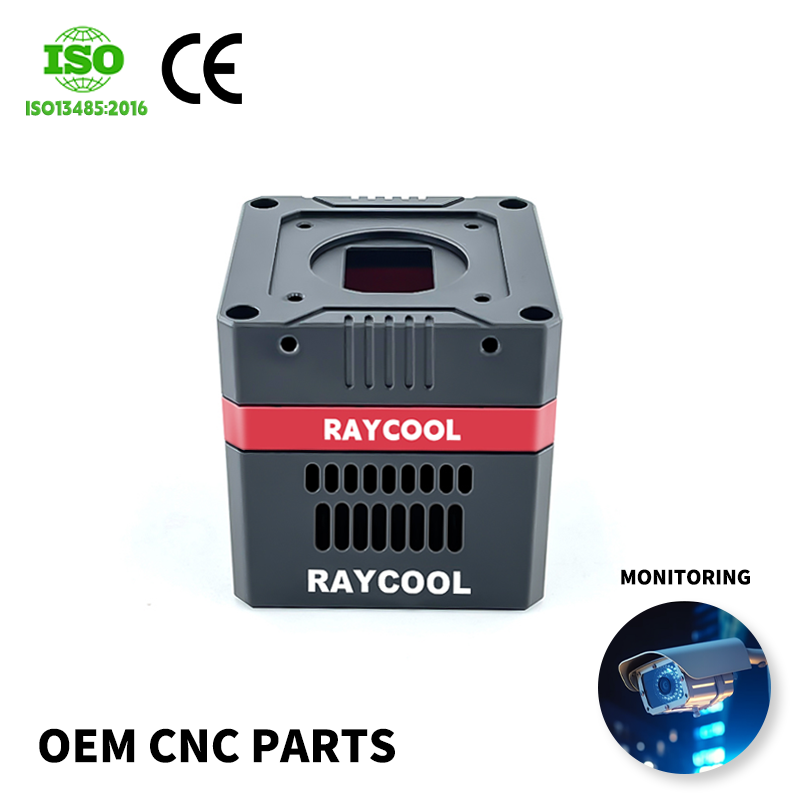
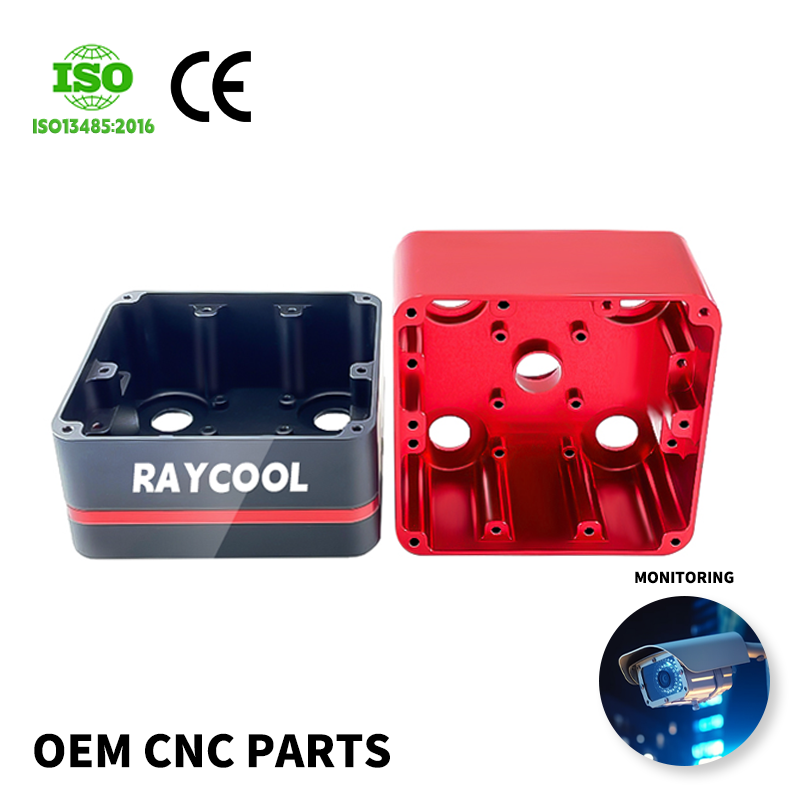
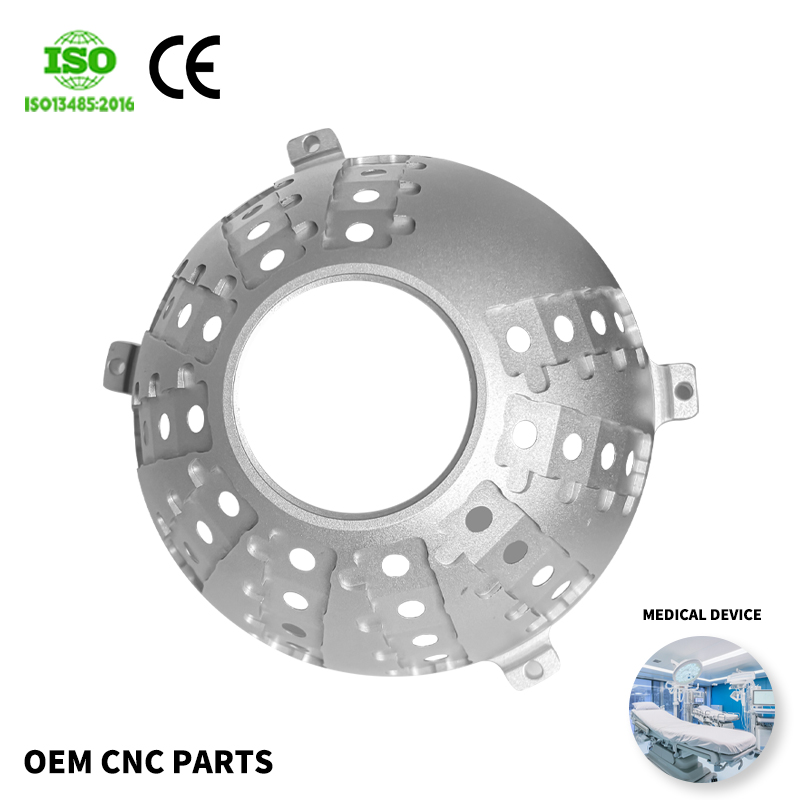
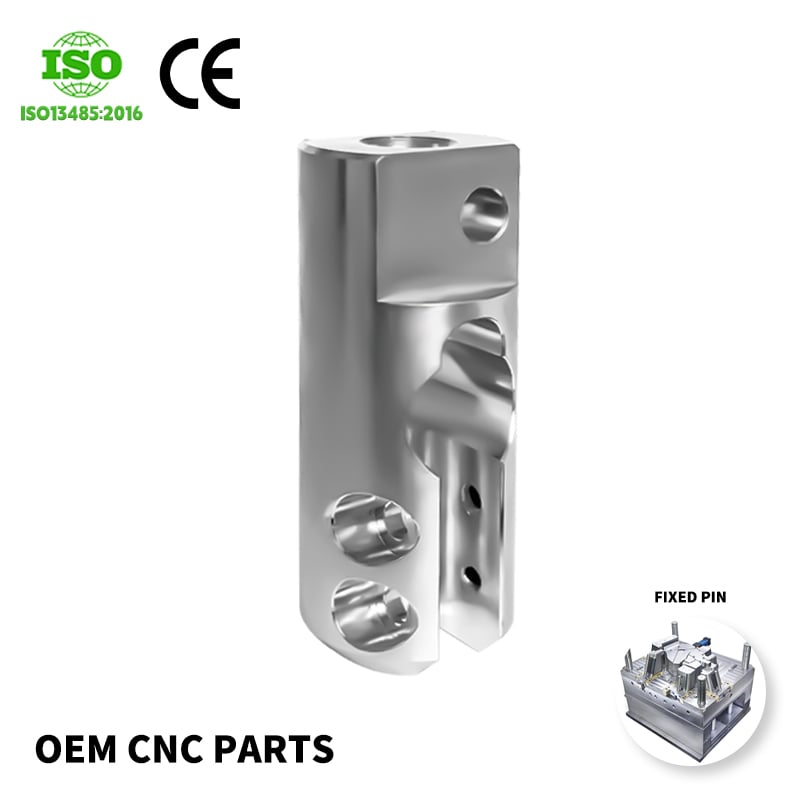
CNC turning components are precision-engineered parts manufactured using computer numerical control (CNC) lathe machines that rotate workpieces while cutting tools shape them into desired forms. These components represent a cornerstone of modern manufacturing, offering unmatched accuracy and repeatability for cylindrical, conical, and complex rotational geometries. The CNC turning process utilizes automated programming to control cutting parameters, tool paths, and spindle speeds, enabling manufacturers to produce intricate parts with tolerances as tight as 0.001 inches. CNC turning components serve critical functions across diverse industries, from automotive engine parts and aerospace fasteners to medical implants and consumer electronics housings. The technology excels at creating shafts, bushings, pins, threaded components, and custom fittings with consistent quality. Key technological features include multi-axis capabilities that allow simultaneous machining operations, live tooling options for milling operations during turning cycles, and advanced software integration for seamless design-to-production workflows. Materials commonly machined include aluminum, steel, brass, titanium, and engineering plastics, each selected based on application requirements. CNC turning components find applications in hydraulic systems, transmission assemblies, valve bodies, connector housings, and precision instrumentation. The automated nature of CNC turning reduces human error while maximizing production efficiency, making these components ideal for both prototype development and high-volume manufacturing runs where dimensional accuracy and surface finish quality remain paramount considerations for operational success.

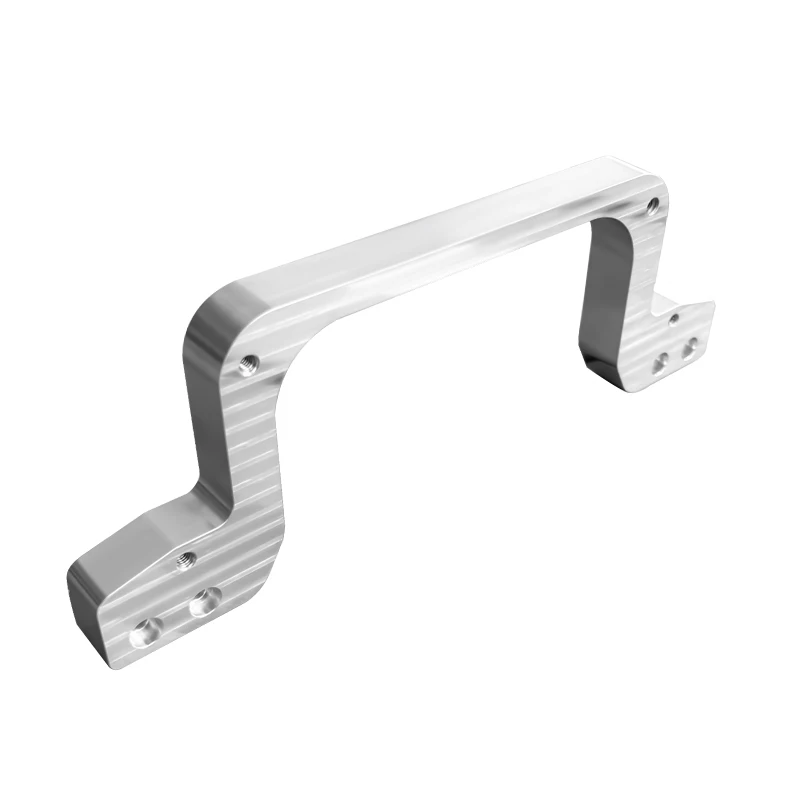
New Product Recommendations

Investing in CNC turning components delivers substantial practical benefits that directly impact your bottom line and operational efficiency. These precisely machined parts guarantee dimensional consistency across production runs, eliminating the variation inherent in manual machining and reducing costly rework or rejected parts. You receive components that fit correctly the first time, streamlining your assembly processes and reducing labor hours spent on adjustments. The exceptional surface finish quality of CNC turning components often eliminates secondary finishing operations, saving you both time and processing costs while accelerating time-to-market for your products. CNC turning components adapt seamlessly to complex geometries that would prove difficult or impossible with conventional turning methods, giving you greater design freedom to optimize part performance without compromising manufacturability. The rapid setup and programming capabilities mean you can switch between different part designs quickly, providing the flexibility needed for custom orders or product variations without significant downtime. Material utilization improves dramatically with CNC turning components, as precise tool paths minimize waste and maximize yield from raw stock, reducing material costs per unit. You gain access to a wider range of materials including difficult-to-machine alloys and engineered plastics, expanding your application possibilities. The repeatability inherent in CNC turning components ensures every part meets your exact specifications, building reliability into your products and strengthening your reputation for quality. Shorter lead times become achievable as automated processes run continuously with minimal supervision, helping you meet tight delivery schedules. Testing and quality control become more straightforward when working with CNC turning components, as their consistent dimensions simplify inspection protocols and reduce quality assurance workload.

Tips And Tricks

Why 5-Axis CNC Machining Is Ideal for Complex Part Manufacturing

06

Jan

Why 5-Axis CNC Machining Is Ideal for Complex Part Manufacturing

Modern manufacturing demands precision, efficiency, and the ability to create intricate geometries that traditional machining methods simply cannot achieve. The evolution of computer numerical control technology has revolutionized how manufacturers a...
View More
CNC Solutions for High-End Industries: Medical and Semiconductor Cases

06

Jan

CNC Solutions for High-End Industries: Medical and Semiconductor Cases

The precision manufacturing landscape has evolved dramatically over recent decades, with 5-axis CNC machined custom parts becoming the cornerstone of advanced industrial applications. Industries such as medical device manufacturing and semiconductor ...
View More
How to Choose Anodized Materials for Industrial Applications?

06

Feb

How to Choose Anodized Materials for Industrial Applications?

Selecting the right anodized materials for industrial applications requires careful consideration of multiple factors that directly impact performance, durability, and cost-effectiveness. Anodized aluminum and other metals have revolutionized manufac...
View More
Key Considerations When Sourcing Anodized Parts from Manufacturers?

06

Feb

Key Considerations When Sourcing Anodized Parts from Manufacturers?

Manufacturing industries increasingly rely on anodized components to enhance product durability, aesthetic appeal, and corrosion resistance. The anodizing process creates a protective oxide layer on aluminum surfaces, making these parts essential for...
View More

Get a Free Quote

Our representative will contact you soon.
Email
Name
Company Name
Message
0/1000

cnc turning components

Superior Precision and Repeatability

Superior Precision and Repeatability

CNC turning components deliver unmatched dimensional accuracy that remains consistent across thousands of parts, ensuring every component meets your exact specifications without variation. This precision stems from computer-controlled tool movements that eliminate human error and maintain tolerances within microns, far exceeding what manual machining can achieve. For manufacturers requiring interchangeable parts or assemblies with tight clearances, this repeatability proves invaluable, as components fit together perfectly without manual fitting or adjustment. The precision of CNC turning components reduces assembly time significantly while improving final product performance and longevity. Quality control becomes simpler and more reliable when working with these consistently accurate parts, as statistical process control reveals genuine process variations rather than random machining inconsistencies. This superior precision translates directly into reduced warranty claims, fewer field failures, and enhanced customer satisfaction. Industries like aerospace, medical devices, and automotive engineering depend on this level of accuracy for safety-critical applications where dimensional deviations could lead to catastrophic failures. The repeatability also enables just-in-time manufacturing strategies, as you can confidently order components knowing they will match previously supplied parts exactly.
Cost-Effective Production Scalability

Cost-Effective Production Scalability

CNC turning components provide exceptional economic advantages through scalable production capabilities that adapt to your volume requirements without sacrificing quality or increasing per-unit costs disproportionately. Whether you need ten prototype parts or ten thousand production components, the CNC turning process maintains consistent pricing structures that improve with volume, unlike manual methods where labor costs scale linearly. Initial programming and setup investments amortize quickly across production runs, making even medium-volume orders economically viable. The automated nature of producing CNC turning components means overnight and weekend production becomes feasible with minimal supervision, effectively multiplying your manufacturing capacity without proportional increases in labor costs. Reduced scrap rates directly improve your material return on investment, as precision machining minimizes mistakes that would otherwise waste expensive raw materials. Tool life extends considerably with optimized CNC programs that control cutting forces and heat generation, reducing tooling expenses per component. The ability to produce complex features in single setups eliminates multiple handling operations and the associated labor costs, fixture expenses, and positioning errors. For businesses experiencing growth or seasonal demand fluctuations, CNC turning components offer the flexibility to scale production up or down efficiently, protecting profit margins across varying order volumes while maintaining delivery commitments.
Enhanced Design Flexibility and Complexity

Enhanced Design Flexibility and Complexity

CNC turning components unlock design possibilities that empower engineers to optimize part functionality without being constrained by manufacturing limitations inherent in conventional machining methods. Complex contours, intricate thread forms, multiple diameter transitions, and integrated features that would require several operations on manual lathes can be completed in single CNC setups, reducing production time while improving concentricity and alignment between features. This capability allows designers to consolidate multiple parts into single CNC turning components, reducing assembly requirements, eliminating fasteners, and decreasing overall product weight and cost. Undercuts, grooves, tapers, and radius transitions flow seamlessly along the part geometry, creating optimized stress distributions and improved performance characteristics. The programming flexibility of CNC turning components accommodates design revisions quickly, as software changes implement engineering modifications without retooling or lengthy setup adjustments. Prototyping becomes rapid and cost-effective, enabling iterative design refinement that perfects part performance before committing to production tooling. Material choices expand beyond traditional options, as CNC control manages the specific cutting parameters required for exotic alloys, hardened materials, or delicate plastics that manual operators might find challenging. This design freedom extends to aesthetic considerations as well, with precision surface finishes and controlled geometries creating visually appealing components that enhance product marketability.

Get a Free Quote

Our representative will contact you soon.
Email
Name
Company Name
Message
0/1000

Copyright © 2026 China Shanghai Raycool Industrial Co., Ltd. All rights reserved  -  Privacy policy