Precision Turned Components | Custom CNC Parts

precision turned components

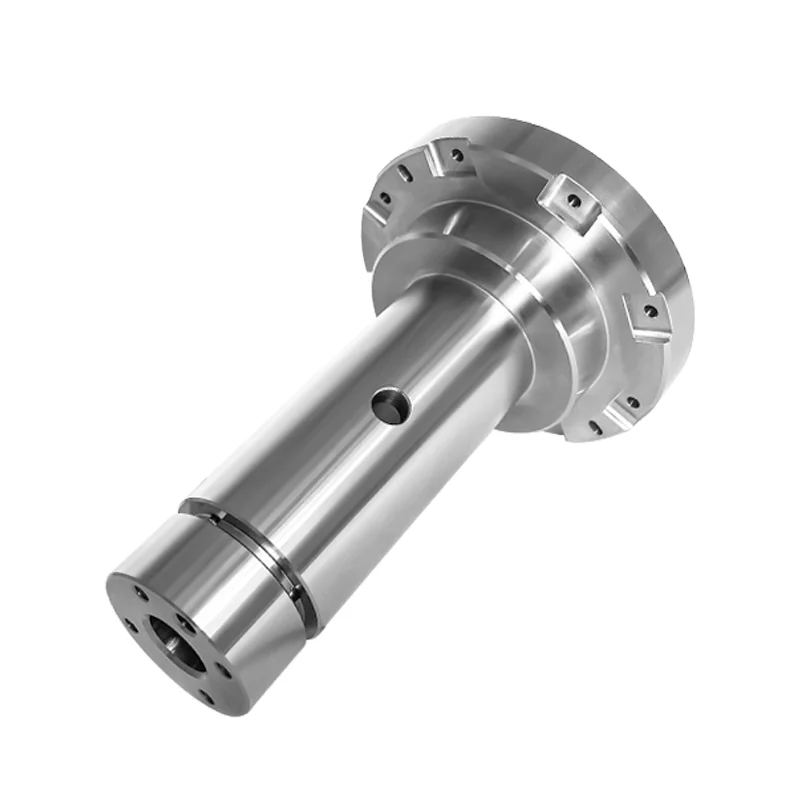
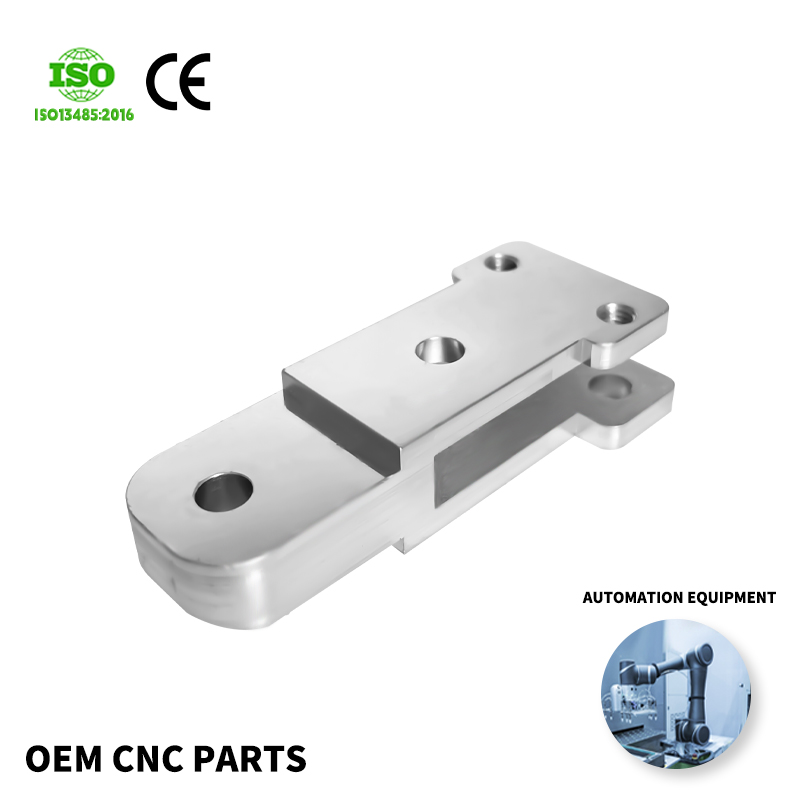
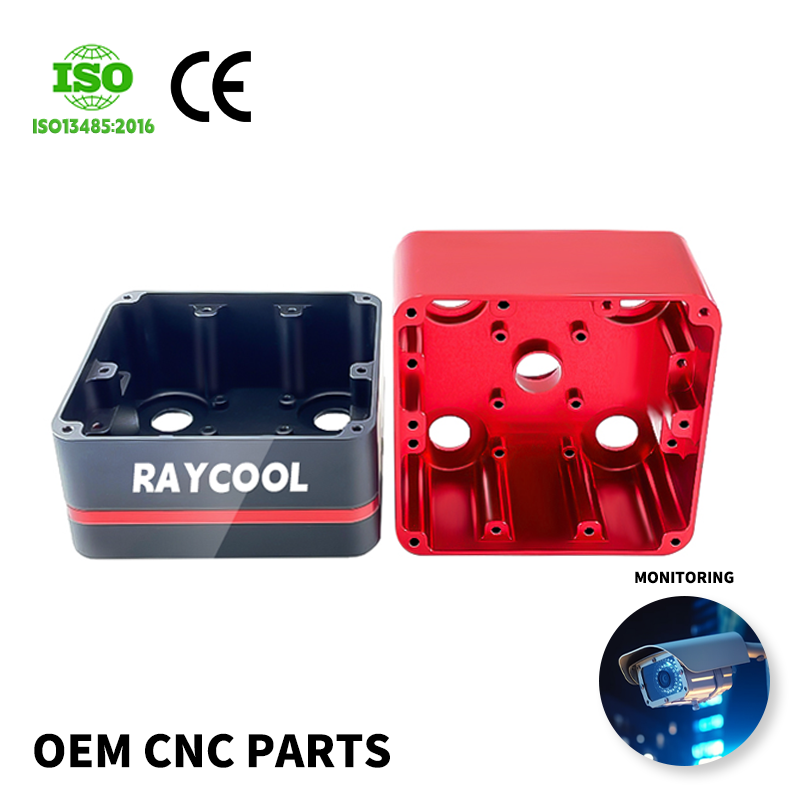
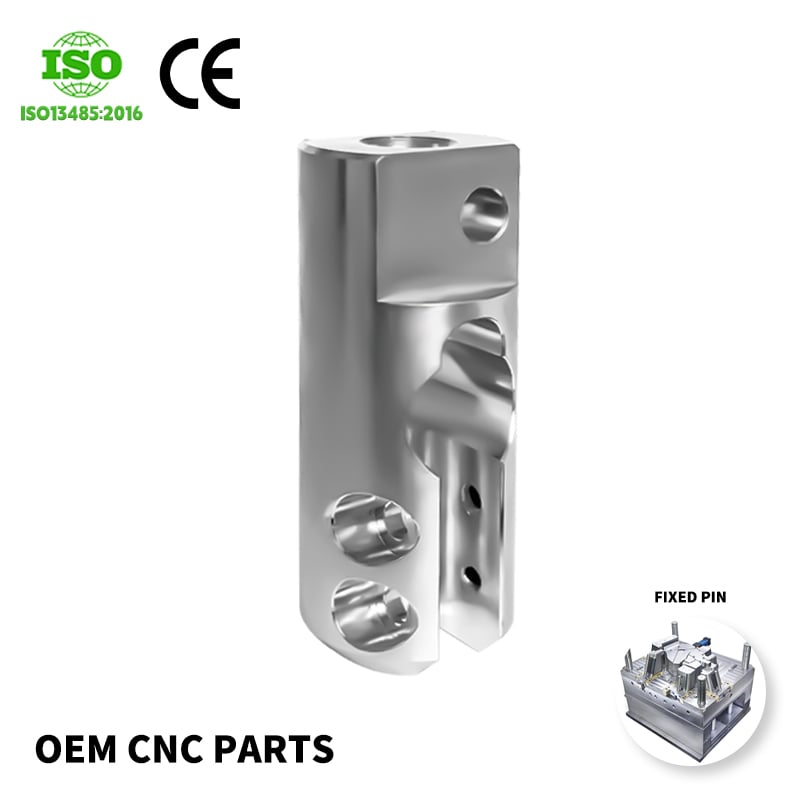
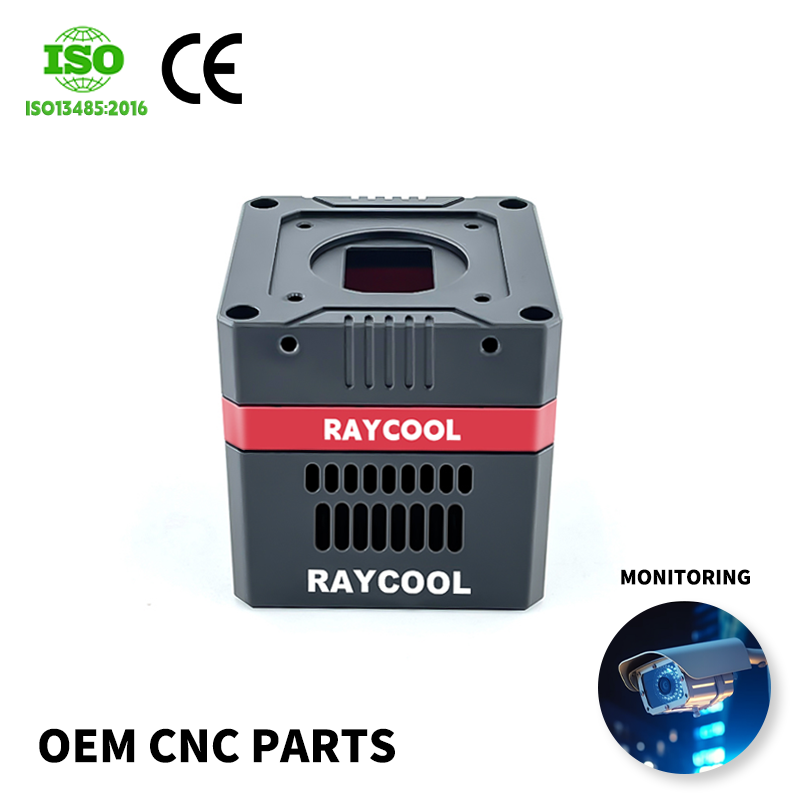
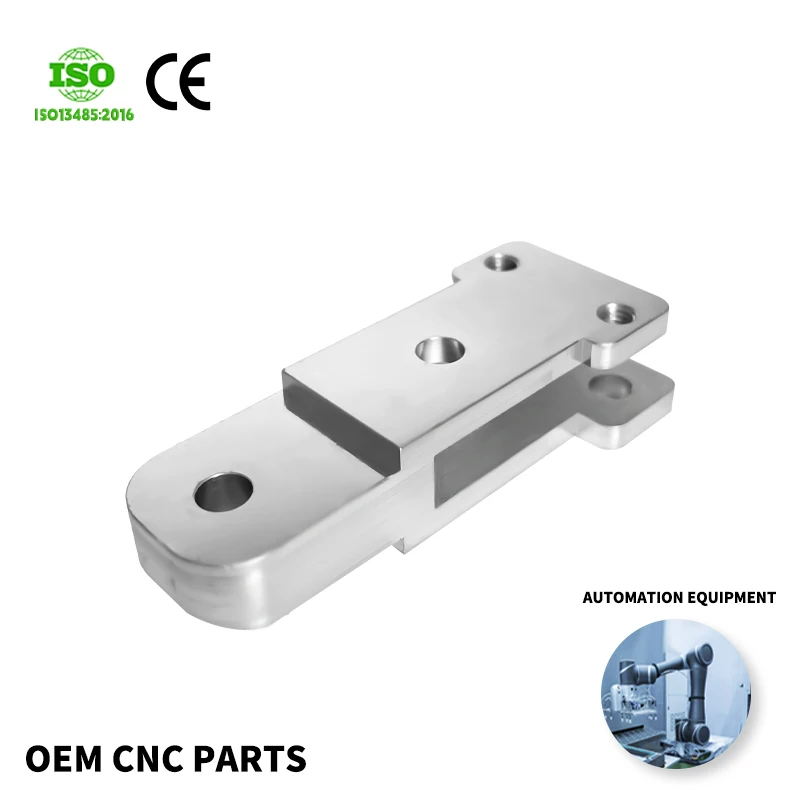
Precision turned components are high-accuracy machined parts manufactured through advanced CNC turning processes that deliver exceptional dimensional accuracy and surface finish quality. These components are produced using state-of-the-art computer numerical control lathes that can achieve tolerances as tight as +/- 0.001 inches, making them essential for industries requiring exact specifications. The manufacturing process involves rotating a workpiece while cutting tools remove material to create cylindrical, conical, or complex geometric shapes with remarkable consistency. Precision turned components serve critical functions across multiple sectors, including aerospace, medical devices, automotive systems, electronics, and industrial machinery. Their technological features include multi-axis machining capabilities, automated tool changing systems, and real-time quality monitoring that ensures every piece meets stringent standards. These components can be manufactured from various materials such as stainless steel, aluminum, brass, titanium, and engineering plastics, offering versatility for different application requirements. The turning process enables production of shafts, bushings, pins, connectors, fasteners, and custom-designed parts with intricate details and precise threading. Modern precision turned components benefit from advanced CAD/CAM programming that translates digital designs into physical parts with minimal human intervention, reducing errors and improving repeatability. Applications range from life-saving medical implants to high-performance automotive transmission components, demonstrating their indispensable role in contemporary manufacturing ecosystems where quality, reliability, and precision determine product success and operational safety.

Popular Products

Investing in precision turned components delivers substantial cost savings through reduced material waste and minimized post-processing requirements, as the tight tolerances achieved during manufacturing eliminate extensive finishing operations. These components offer superior consistency across production runs, ensuring that every part performs identically in its intended application, which proves particularly valuable for businesses requiring large-volume orders with zero-defect expectations. The advanced manufacturing techniques used to create precision turned components result in enhanced product reliability and extended service life, reducing maintenance costs and downtime for end users. Companies benefit from faster time-to-market as modern CNC turning facilities can quickly transition from prototyping to full-scale production without compromising quality standards. The versatility of precision turned components makes them suitable for extreme operating conditions, including high-temperature environments, corrosive atmospheres, and applications demanding exceptional strength-to-weight ratios. Businesses can customize dimensions, materials, and surface treatments to match specific performance criteria, providing flexibility that off-the-shelf alternatives cannot deliver. The precision manufacturing process ensures perfect interchangeability of parts, simplifying assembly operations and inventory management for manufacturers. Quality control measures integrated throughout production guarantee that precision turned components meet international standards and industry-specific certifications, reducing liability risks and enhancing brand reputation. Organizations choosing precision turned components gain competitive advantages through improved product performance, reduced warranty claims, and enhanced customer satisfaction. The economic benefits extend beyond initial purchase costs, as the durability and reliability of these components translate into lower total cost of ownership throughout the product lifecycle, making them a strategic investment for forward-thinking businesses.

Practical Tips

How to Machine Aluminum Alloys for High-Precision Industrial Parts

05

Dec

How to Machine Aluminum Alloys for High-Precision Industrial Parts

Aluminum alloy machining has become an essential process in modern manufacturing, particularly for industries requiring lightweight yet durable components. The unique properties of aluminum alloys make them ideal for applications ranging from aerospa...
View More
CNC Machining Guide: Turning, Milling, and 5-Axis Processes Explained

06

Jan

CNC Machining Guide: Turning, Milling, and 5-Axis Processes Explained

CNC machining represents the backbone of modern manufacturing, transforming raw materials into precision components through computer-controlled cutting processes. This advanced manufacturing technique has revolutionized industries from aerospace to m...
View More
CNC Machining Process Guide: Turning, Milling, and 5-Axis Explained

06

Feb

CNC Machining Process Guide: Turning, Milling, and 5-Axis Explained

Modern manufacturing relies heavily on precision engineering and automated production techniques. CNC machining stands at the forefront of this technological revolution, transforming raw materials into complex components with exceptional accuracy. Fr...
View More
Key Considerations When Sourcing Anodized Parts from Manufacturers?

06

Feb

Key Considerations When Sourcing Anodized Parts from Manufacturers?

Manufacturing industries increasingly rely on anodized components to enhance product durability, aesthetic appeal, and corrosion resistance. The anodizing process creates a protective oxide layer on aluminum surfaces, making these parts essential for...
View More

Get a Free Quote

Our representative will contact you soon.
Email
Name
Company Name
Message
0/1000

precision turned components

Unmatched Dimensional Accuracy and Quality Control

Unmatched Dimensional Accuracy and Quality Control

Precision turned components achieve extraordinary dimensional accuracy through sophisticated CNC machining technology that monitors and adjusts cutting parameters in real-time. This advanced manufacturing approach ensures tolerances that consistently meet or exceed industry standards, with typical accuracies reaching +/- 0.001 inches and surface finishes as fine as 8 micro-inches Ra. The quality assurance process incorporates coordinate measuring machines, optical comparators, and automated inspection systems that verify every critical dimension before components leave the production facility. This rigorous quality control eliminates defective parts from reaching customers, protecting your production schedules and brand reputation. The precision achieved in turned components directly impacts assembly efficiency, as parts fit together perfectly without requiring manual adjustments or rework. For applications in medical devices, aerospace systems, and precision instrumentation, this level of accuracy proves essential for safety, functionality, and regulatory compliance. Manufacturers investing in precision turned components benefit from predictable performance characteristics that enable confident product design and reliable end-user experiences across diverse operating conditions and extended service intervals.
Material Versatility and Application Flexibility

Material Versatility and Application Flexibility

Precision turned components can be manufactured from an extensive range of materials, enabling engineers to select the optimal substrate for specific performance requirements and environmental challenges. Common materials include stainless steel grades offering corrosion resistance, aluminum alloys providing lightweight strength, brass delivering excellent machinability, titanium ensuring biocompatibility, and engineered plastics supplying electrical insulation. This material diversity allows precision turned components to serve applications ranging from surgical instruments requiring sterilization compatibility to automotive components demanding fatigue resistance under cyclic loading. The turning process accommodates both exotic alloys and standard commercial grades, providing design flexibility that supports innovation and problem-solving across industries. Surface treatments such as anodizing, plating, passivation, and coating can be applied to enhance corrosion protection, reduce friction, improve aesthetics, or meet specific regulatory requirements. This adaptability means businesses can source precision turned components tailored precisely to their unique technical specifications without compromising performance or accepting unnecessary costs. The combination of material options and manufacturing capabilities positions these components as versatile solutions for emerging technologies and traditional applications alike.
Scalable Production with Consistent Repeatability

Scalable Production with Consistent Repeatability

Precision turned components offer exceptional scalability, accommodating production volumes from small prototype quantities to millions of units annually while maintaining identical quality standards throughout. The CNC manufacturing process relies on digital programming that eliminates human variability, ensuring the ten-thousandth component matches the first with exact dimensional conformity. This repeatability proves invaluable for businesses requiring ongoing supply of replacement parts, scheduled production runs, or just-in-time delivery systems that minimize inventory carrying costs. Automated machining centers operate continuously with minimal supervision, reducing labor costs and accelerating production timelines compared to conventional manufacturing methods. The digital nature of precision turned components manufacturing enables rapid design modifications, allowing engineers to iterate prototypes quickly and implement improvements without expensive tooling changes. Manufacturers benefit from predictable lead times and reliable delivery schedules that support efficient production planning and customer commitments. The combination of automation, precision, and scalability makes these components economically viable for both high-volume commodity applications and specialized low-volume products requiring exceptional quality. This production flexibility empowers businesses to respond dynamically to market demands while controlling costs and maintaining the superior quality standards that precision turned components consistently deliver.

Get a Free Quote

Our representative will contact you soon.
Email
Name
Company Name
Message
0/1000

Copyright © 2026 China Shanghai Raycool Industrial Co., Ltd. All rights reserved  -  Privacy policy