Metal Turning Parts - Precision CNC Components

metal turning parts

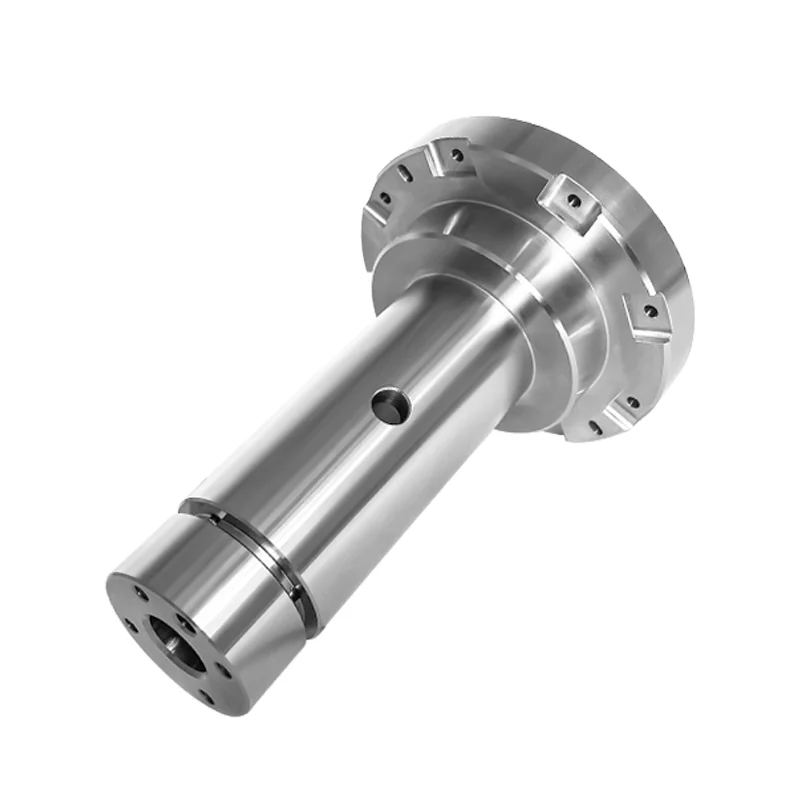
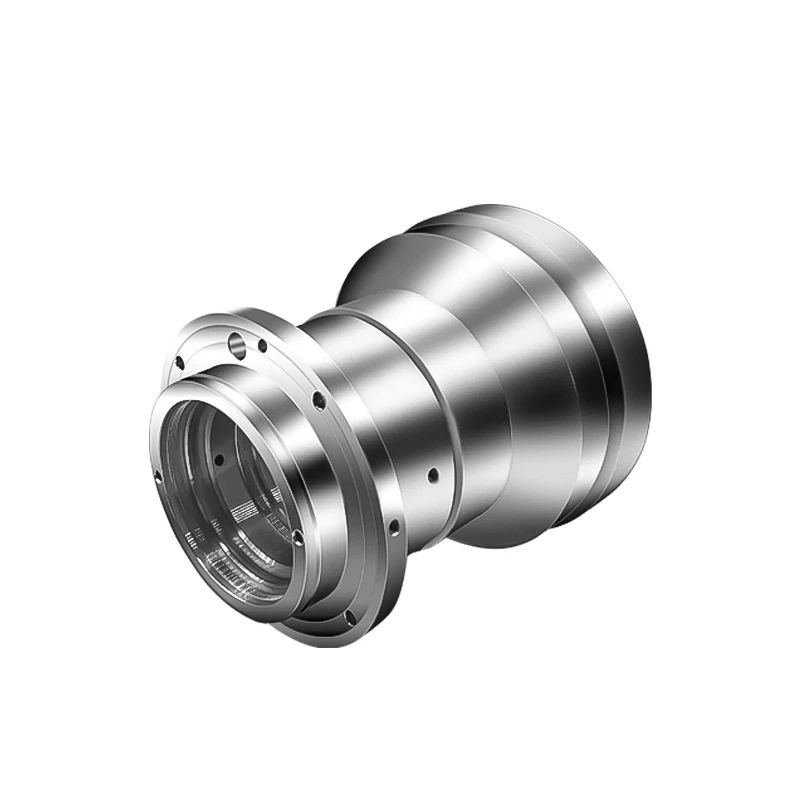
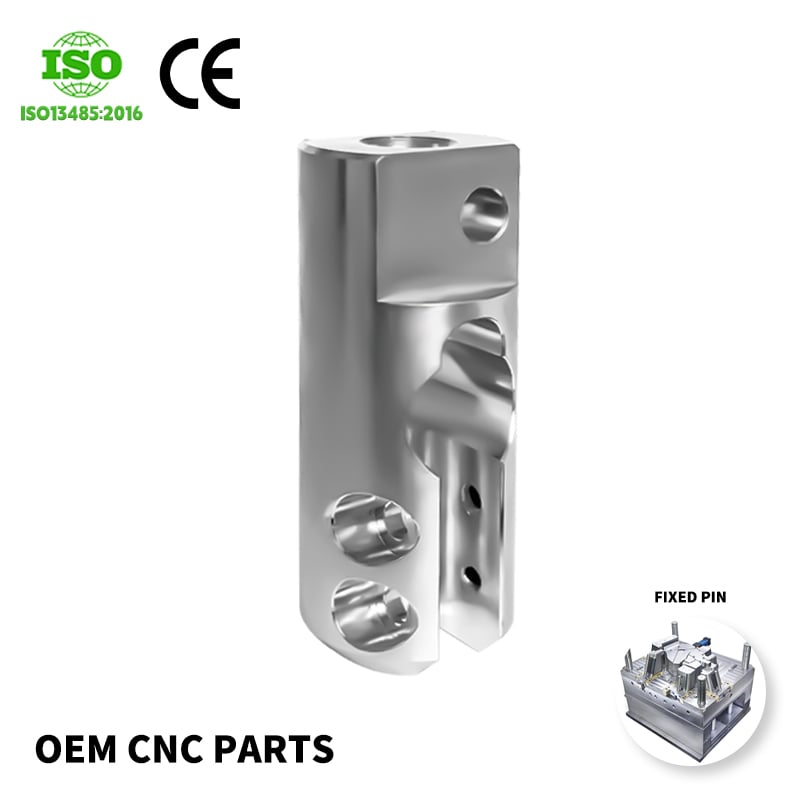
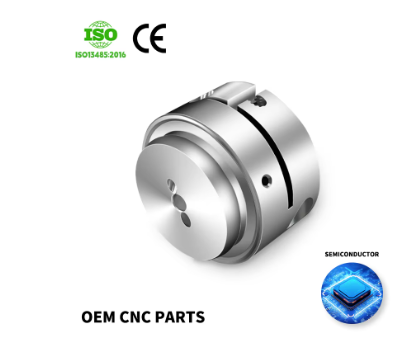
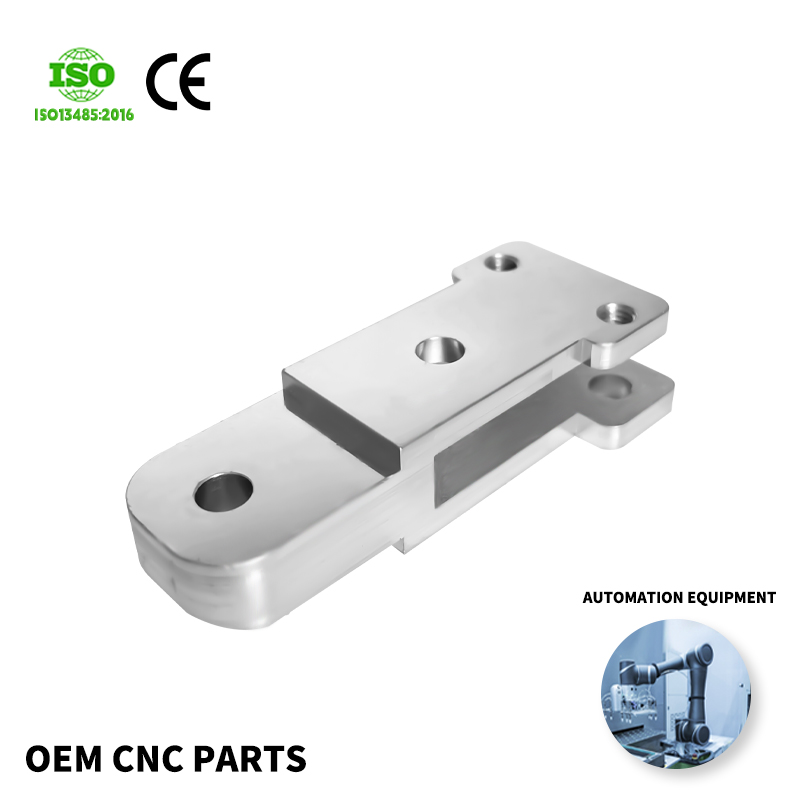
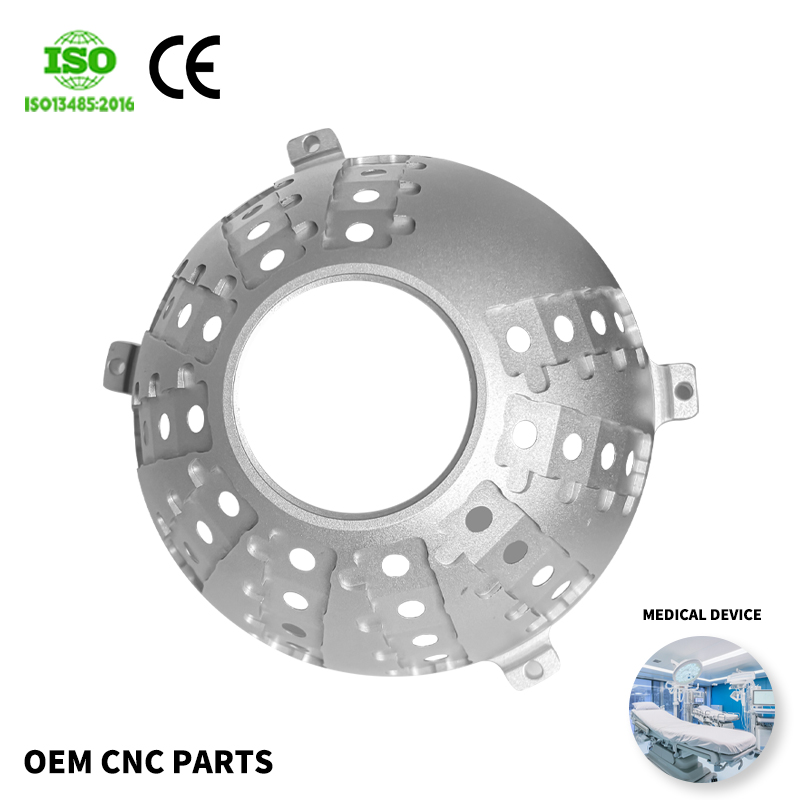
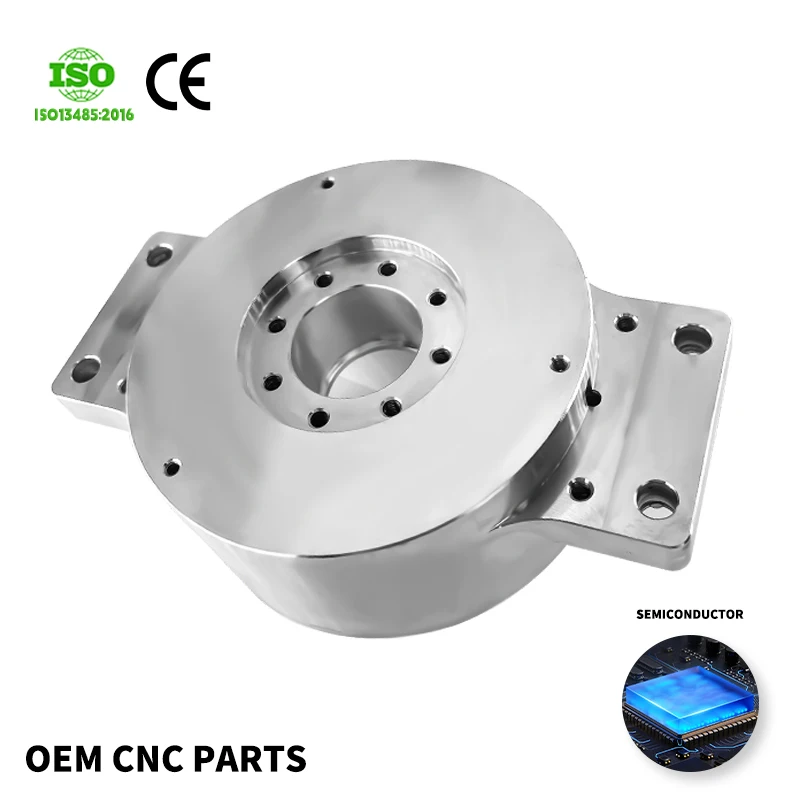
Metal turning parts are precision-engineered components manufactured through CNC turning processes, where raw metal stock rotates against cutting tools to create cylindrical or conical shapes with exact specifications. These metal turning parts serve as fundamental building blocks across countless industries, from automotive and aerospace to medical devices and electronics manufacturing. The turning process removes excess material systematically, producing components with exceptional dimensional accuracy and superior surface finishes. Metal turning parts can be fabricated from various materials including stainless steel, aluminum, brass, copper, titanium, and specialized alloys, each selected based on specific application requirements. Modern CNC turning technology enables manufacturers to produce metal turning parts with tolerances as tight as ±0.001 inches, ensuring perfect fit and function in critical assemblies. These components range from simple shafts and pins to complex geometries featuring threads, grooves, tapers, and multiple diameter transitions. The versatility of metal turning parts makes them indispensable for creating bushings, flanges, connectors, fasteners, valve components, and custom mechanical elements. Manufacturing facilities utilize advanced multi-axis turning centers capable of executing intricate operations in single setups, significantly reducing production time while maintaining consistency across large production runs. Whether producing prototypes or high-volume batches, metal turning parts deliver the reliability and precision that demanding applications require, making them the preferred choice for engineers seeking dependable mechanical solutions.

Popular Products

Choosing metal turning parts for your manufacturing projects delivers substantial cost savings compared to alternative fabrication methods. The efficient material removal process minimizes waste, converting raw stock directly into finished components without expensive secondary operations. Production speed stands out as another practical benefit, with modern CNC turning centers completing complex metal turning parts in minutes rather than hours, accelerating your time-to-market significantly. You gain exceptional repeatability when ordering metal turning parts, as computer-controlled processes ensure each piece matches specifications exactly, eliminating inconsistencies that plague manual machining. This precision translates directly into reduced assembly time and lower rejection rates during quality inspections. Versatility represents a major advantage, since the same turning process accommodates prototyping single units or scaling to thousands of identical metal turning parts without retooling investments. Your design flexibility expands dramatically because turning operations handle intricate features like internal bores, external threads, and contoured profiles that would challenge other manufacturing approaches. Material compatibility gives you unlimited options, allowing selection of metals optimized for strength, corrosion resistance, thermal conductivity, or weight requirements specific to your application. Surface quality emerges superior from the turning process, often eliminating costly finishing steps while providing smooth surfaces that reduce friction and wear in moving assemblies. Long-term durability characterizes properly manufactured metal turning parts, as the machining process preserves material integrity without introducing weaknesses associated with casting or forming. You benefit from established supply chains and widespread manufacturing capability, ensuring reliable sourcing and competitive pricing across global markets. The straightforward design-to-production workflow for metal turning parts shortens development cycles, helping you respond quickly to market opportunities and engineering changes.

Tips And Tricks

Key Considerations When CNC Processing Stainless Steel Components for Manufacturing

05

Dec

Key Considerations When CNC Processing Stainless Steel Components for Manufacturing

CNC processing stainless steel has become a cornerstone of modern manufacturing, offering unprecedented precision and repeatability for critical components across industries. From aerospace applications to medical devices, stainless steel's corrosion...
View More
CNC Machining Guide: Turning, Milling, and 5-Axis Processes Explained

06

Jan

CNC Machining Guide: Turning, Milling, and 5-Axis Processes Explained

CNC machining represents the backbone of modern manufacturing, transforming raw materials into precision components through computer-controlled cutting processes. This advanced manufacturing technique has revolutionized industries from aerospace to m...
View More
How to Choose Between CNC Turning, Milling, and 5-Axis for Your Part

06

Jan

How to Choose Between CNC Turning, Milling, and 5-Axis for Your Part

Manufacturing precision components requires careful consideration of machining processes, with CNC turning milling 5-axis representing the three fundamental approaches to modern subtractive manufacturing. Each method offers distinct advantages and li...
View More
CNC Machining Process Guide: Turning, Milling, and 5-Axis Explained

06

Feb

CNC Machining Process Guide: Turning, Milling, and 5-Axis Explained

Modern manufacturing relies heavily on precision engineering and automated production techniques. CNC machining stands at the forefront of this technological revolution, transforming raw materials into complex components with exceptional accuracy. Fr...
View More

Get a Free Quote

Our representative will contact you soon.
Email
Name
Company Name
Message
0/1000

metal turning parts

Superior Precision and Dimensional Accuracy

Superior Precision and Dimensional Accuracy

Metal turning parts achieve extraordinary dimensional precision that sets them apart from components produced through alternative manufacturing methods. Advanced CNC turning centers equipped with precision spindles and servo-controlled tooling systems maintain tolerances within microns, ensuring each component meets exacting specifications regardless of complexity. This exceptional accuracy proves critical in applications where proper fit determines performance, such as hydraulic assemblies, bearing housings, and precision instrumentation. The digital control systems governing modern turning operations eliminate human error variables, producing metal turning parts with consistency that manual processes cannot match. Geometric features including concentricity, perpendicularity, and surface parallelism remain tightly controlled throughout production runs. This precision extends to surface finish quality, with turning operations routinely achieving surface roughness values below 32 micro-inches Ra without secondary polishing. Engineers designing assemblies benefit tremendously from this predictable accuracy, as tight tolerances reduce clearance requirements and enable optimized component sizing. Quality assurance becomes streamlined when working with precision metal turning parts, since measurement verification confirms specifications quickly without extensive statistical sampling. The dimensional stability inherent in turned components reduces assembly complications and warranty claims, delivering long-term value that justifies initial investment in quality manufacturing.
Exceptional Material Versatility and Selection

Exceptional Material Versatility and Selection

Metal turning parts accommodate an extraordinary range of materials, providing engineers with optimal material selection flexibility for every application scenario. Common materials include various grades of stainless steel offering corrosion resistance, aluminum alloys providing lightweight strength, brass delivering excellent machinability and aesthetic appeal, and copper ensuring superior electrical and thermal conductivity. Specialized applications benefit from exotic materials like titanium for aerospace components, Inconel for high-temperature environments, and medical-grade alloys for surgical instruments and implants. The turning process adapts seamlessly across this material spectrum, with tooling and cutting parameters adjusted to optimize results for each metal's unique properties. This versatility enables you to match material characteristics precisely to functional requirements, whether prioritizing tensile strength, chemical resistance, temperature stability, or magnetic properties. Metal turning parts manufactured from appropriate materials deliver extended service life in demanding environments, reducing maintenance frequency and replacement costs. Material certification and traceability accompany quality metal turning parts, providing documentation essential for regulated industries like aerospace, medical devices, and food processing equipment. The ability to prototype metal turning parts in one material and transition to alternative alloys for production runs offers valuable flexibility during product development phases, allowing performance testing without committing to final material specifications prematurely.
Cost-Effective Production Scalability

Cost-Effective Production Scalability

Metal turning parts offer remarkable economic advantages through scalable production capabilities that accommodate projects from prototype quantities to high-volume manufacturing runs. Initial setup investments remain modest compared to processes requiring expensive tooling or molds, making metal turning parts economically viable even for limited production batches. CNC programming developed for prototype runs transfers directly to volume production without additional engineering costs, spreading development expenses across the entire product lifecycle. Cycle times for individual metal turning parts decrease significantly as production volumes increase and processes become optimized, reducing per-unit costs substantially in larger quantities. The subtractive nature of turning operations means material costs scale predictably with production volume, enabling accurate cost projections and budgeting. Manufacturers producing metal turning parts benefit from established supply chains for raw materials and standardized tooling, ensuring stable pricing and reliable availability. Quality remains consistent regardless of batch size, as computer-controlled processes maintain specifications throughout production runs without the degradation typical of worn molds or dies. This scalability provides strategic flexibility, allowing you to test markets with small batches before committing to large inventory investments. Rush orders and expedited production become feasible with metal turning parts, since setup simplicity enables quick response to urgent requirements without premium tooling costs that plague alternative manufacturing methods.

Get a Free Quote

Our representative will contact you soon.
Email
Name
Company Name
Message
0/1000

Copyright © 2026 China Shanghai Raycool Industrial Co., Ltd. All rights reserved  -  Privacy policy